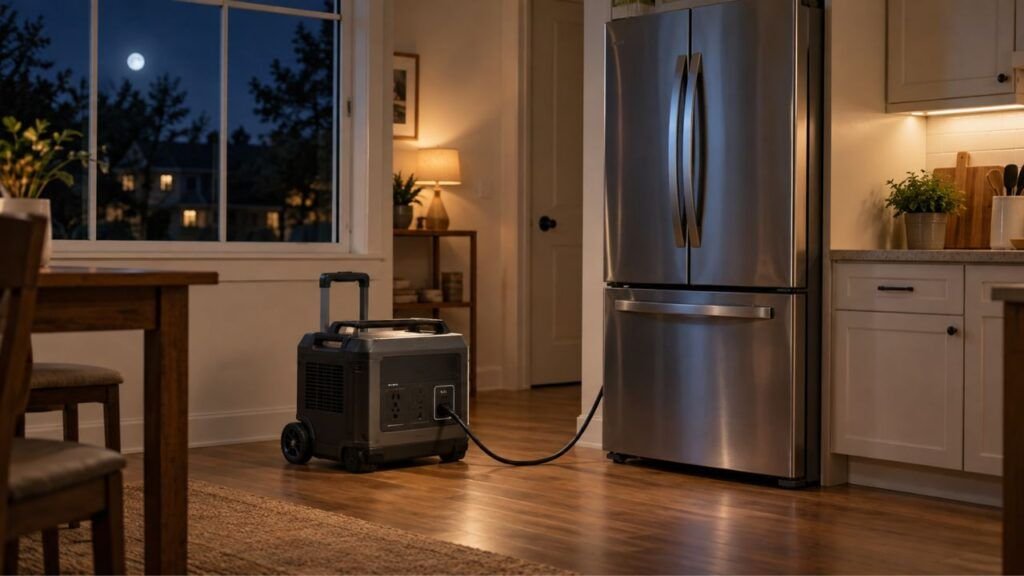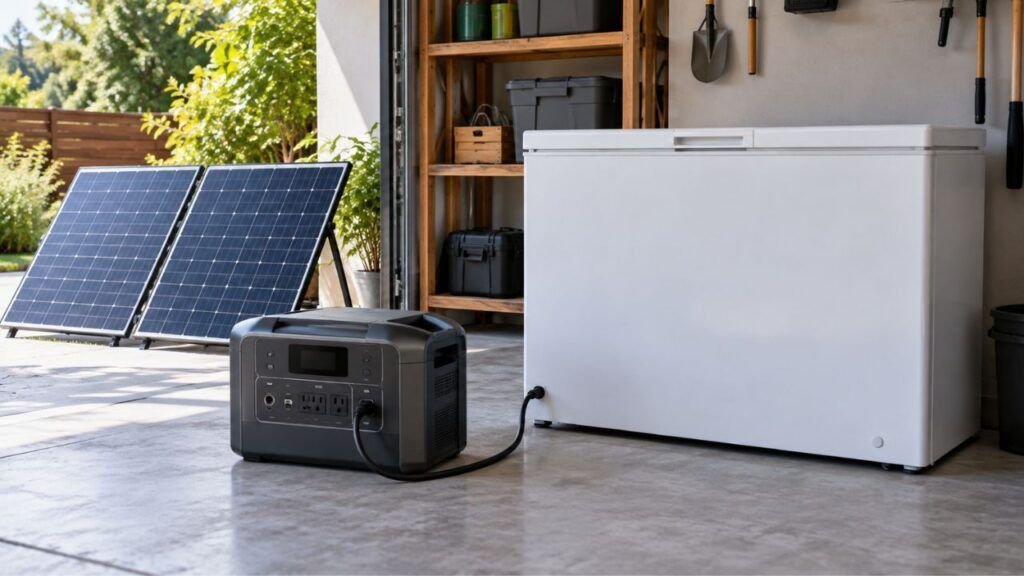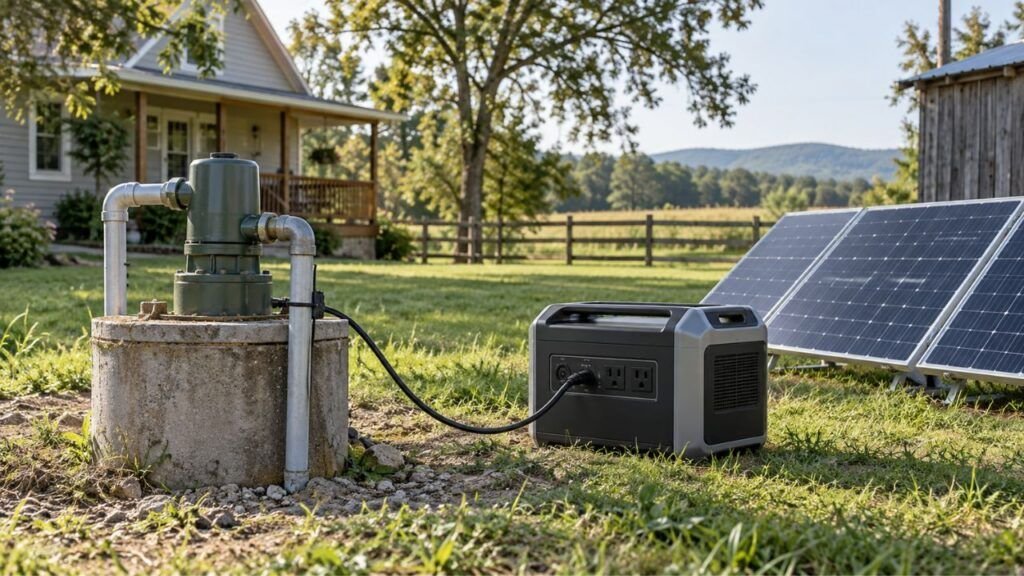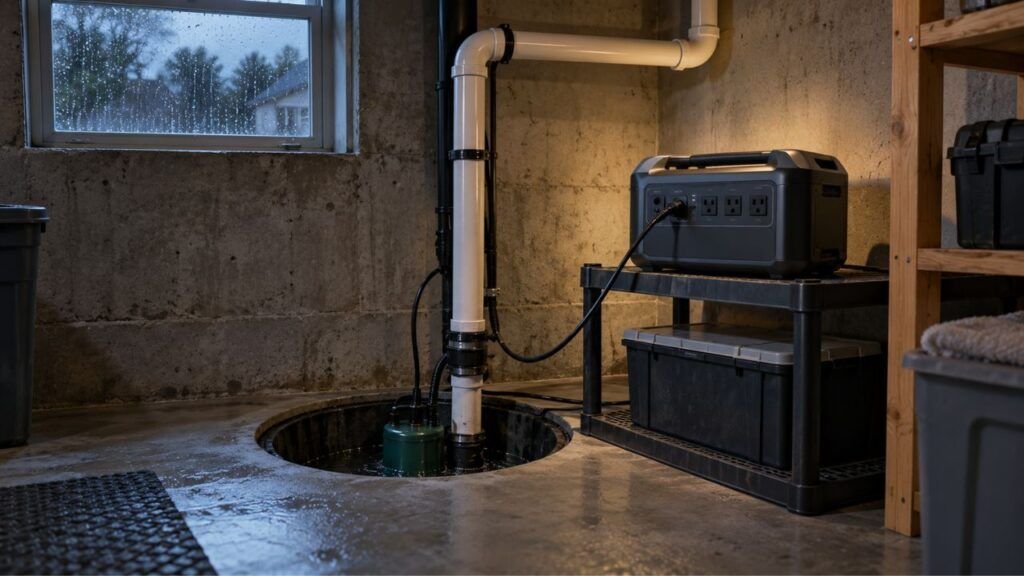
No, you do not need a transfer switch when plugging appliances directly into your solar generator. However, if you want the solar generator to power circuits through your home’s electrical panel, you generally need approved transfer equipment. This may be a transfer switch, compatible interlock, or manufacturer-designed backup system.
The important part is knowing where your solar generator connects. I’ll walk you through when a transfer switch is necessary, when you can skip it, and how to choose a safe home-backup setup.
Key Takeaways
- Directly connected appliances do not require a transfer switch.
- Panel-connected backup power requires proper source-isolation equipment.
- A transfer switch helps prevent dangerous utility-grid backfeeding.
- A compatible interlock can sometimes replace a separate transfer switch.
- Your solar generator must support the required voltage and wattage.
- A transfer switch cannot turn 120V output into 240V power.
- Local electrical codes may require permits and professional installation.
Do You Need a Transfer Switch for a Solar Generator?
Whether you need one depends mainly on how you use your solar generator. The easiest way to decide is to look at where its electricity goes.
| How You Use the Solar Generator | Transfer Switch Needed? | Reason |
| Charging phones or laptops directly | No | Nothing connects to home wiring |
| Refrigerator plugged into generator | No | Appliance runs directly from generator |
| Extension cord to individual appliances | No | Electrical panel remains isolated |
| Powering circuits through breaker panel | Yes, transfer equipment required | Utility and backup sources need isolation |
| Running a hardwired furnace | Yes | Furnace is part of permanent wiring |
| Running a hardwired well pump | Yes | Pump receives power through home wiring |
| Using an approved panel interlock | Separate switch may not be needed | Interlock provides source isolation |
| Using a manufacturer smart backup panel | Depends on system | Transfer function may already be included |
| Fully standalone off-grid system | Depends on design | Utility power may not be connected |
The simplest rule is this: direct appliance use usually needs no transfer switch. Home-panel use generally requires an approved method of separating grid and backup power.
What Does a Transfer Switch Actually Do?
A transfer switch does more than make backup power convenient. It controls which power source can feed your home’s electrical circuits.
It Separates Utility Power From Backup Power
Your house normally receives electricity from the utility grid.
During an outage, your solar generator becomes another possible power source.
A transfer switch keeps those two power sources separated. It disconnects one source before connecting the other.
This prevents your solar generator and utility grid from feeding the same wiring simultaneously.
It Prevents Backfeeding Into the Utility Grid
Backfeeding happens when electricity from your backup source travels backward through household wiring toward the utility system.
That can create a serious electrical hazard.
Utility workers may believe damaged lines are de-energized while your system continues supplying them with electricity.
Proper transfer equipment prevents that situation by isolating your house from the grid before backup power reaches your circuits.
It Lets Your Solar Generator Power Hardwired Circuits
Some household equipment cannot simply plug into your power station.
Examples include:
- Furnace blowers
- Hardwired lighting
- Well pumps
- Some sump pumps
- Ceiling fixtures
- Certain HVAC equipment
- Permanently wired kitchen circuits
A transfer system lets compatible solar generators supply those circuits through the home’s electrical system.
However, the solar generator still needs enough voltage and power.
The transfer switch does not increase its capabilities.
When You Don’t Need a Transfer Switch
Many people buying a solar generator never need a transfer switch. If your setup stays completely separate from your home’s permanent wiring, things remain much simpler.
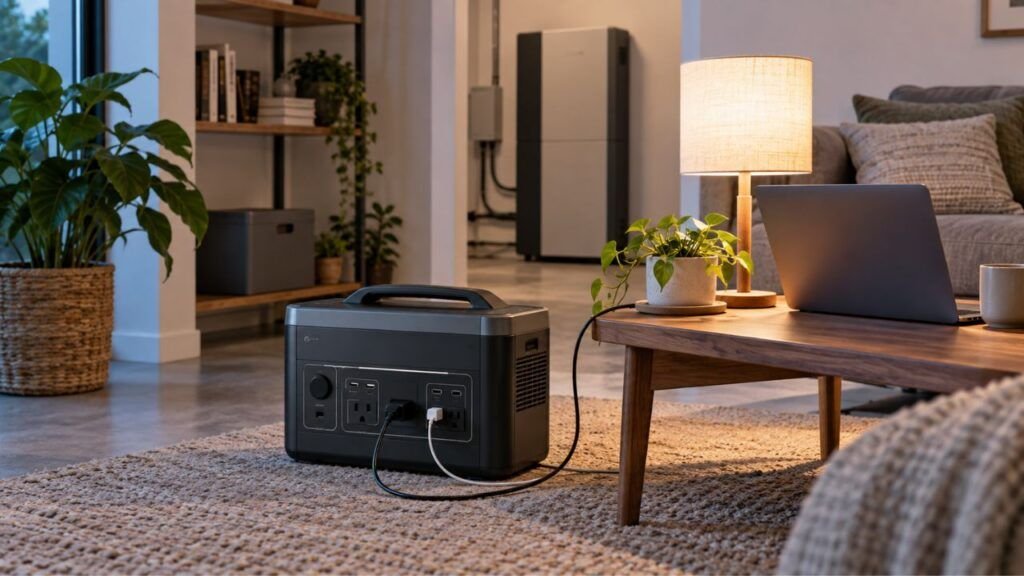
You’re Plugging Appliances Directly Into the Solar Generator
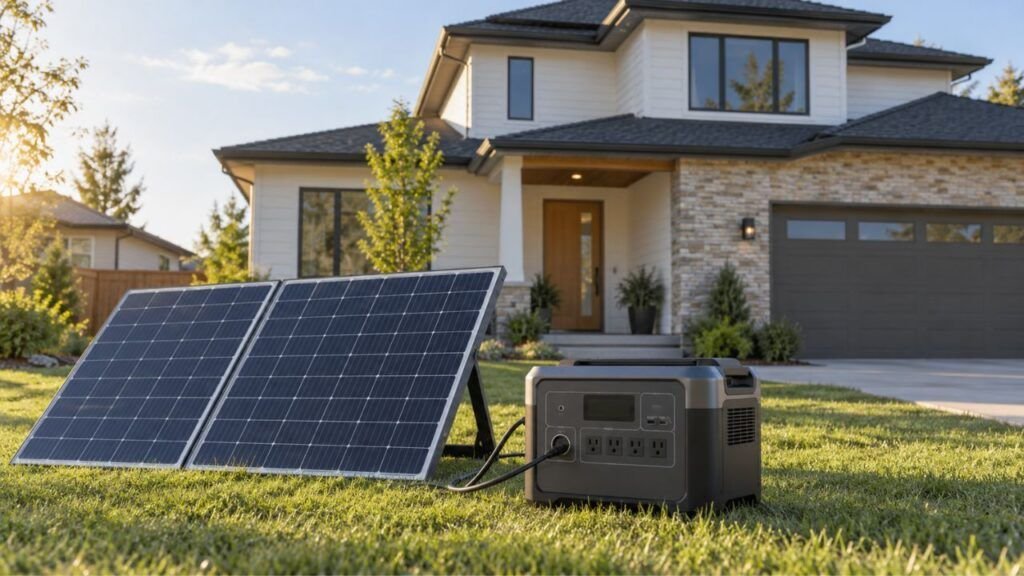
This is the easiest way to use portable backup power.
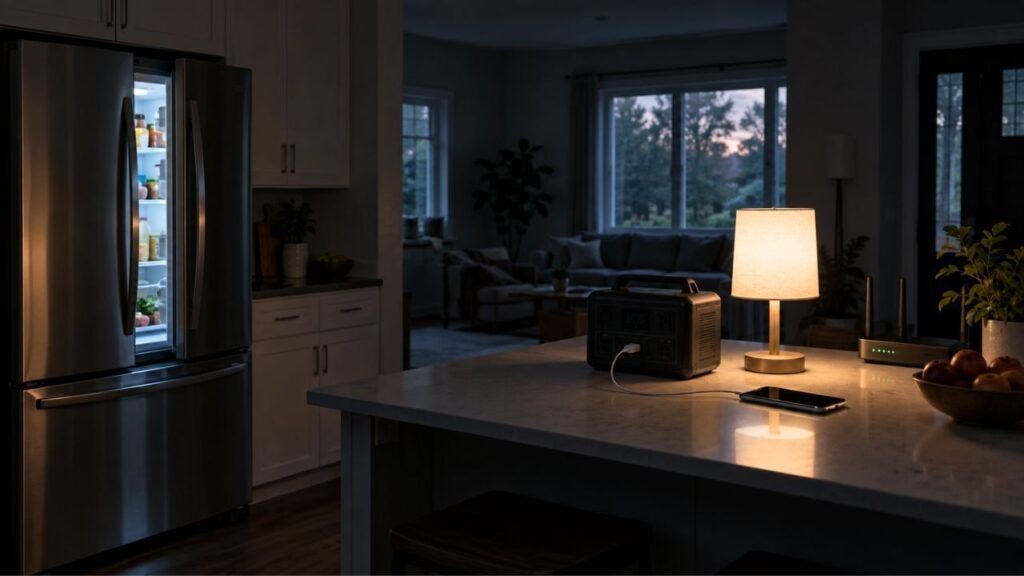
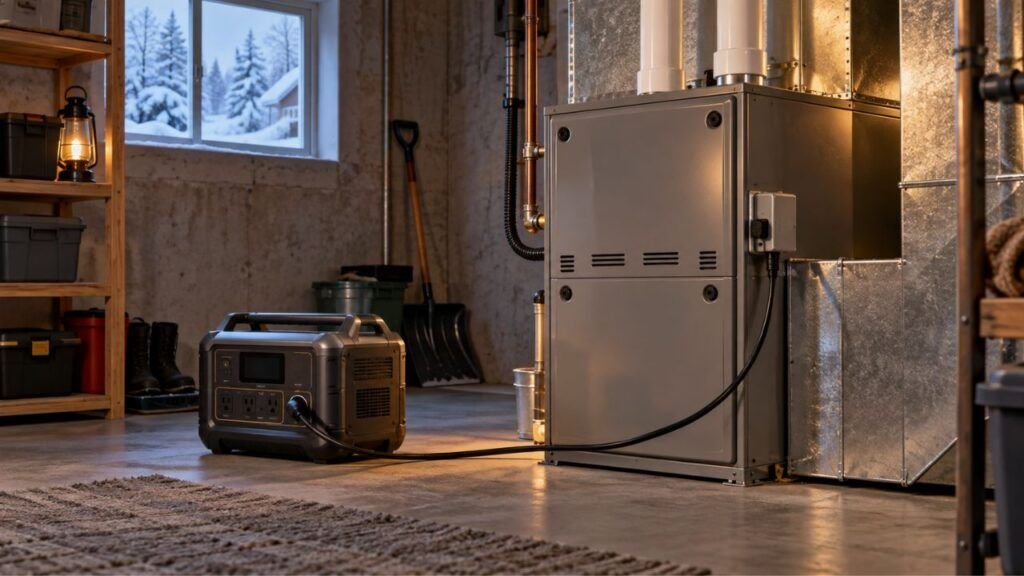
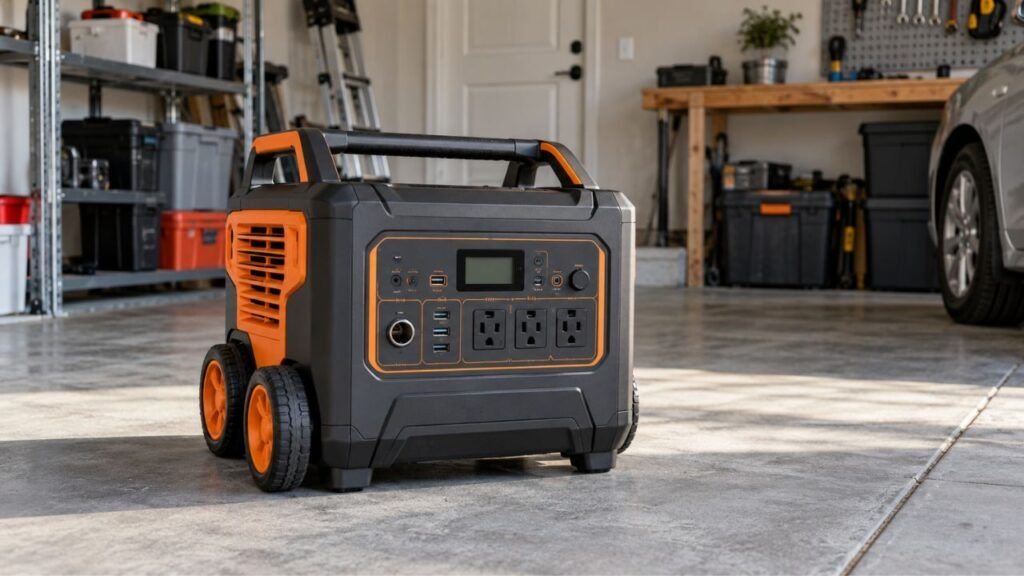
You can normally plug devices directly into your solar generator’s outlets.
Common examples include:
- Refrigerator
- Freezer
- TV
- Wi-Fi router
- Lamps
- Laptop
- Phone chargers
- CPAP machine
- Small kitchen appliances
Your home wiring remains completely separate from the backup source.
Because of that separation, no transfer switch is needed.
This setup works especially well during shorter outages.
The downside is dealing with extension cords around your home.
You’re Using the Solar Generator as a Standalone Power Source
A transfer switch is also unnecessary when the system operates independently.
You might use your solar generator for:
- Camping
- Tailgating
- Workshops
- Sheds
- Outdoor equipment
- Temporary work areas
- RV use
- Remote cabins
As long as the solar generator never feeds utility-connected home wiring, there is nothing to transfer between.
Your Backup System Already Includes Transfer Equipment
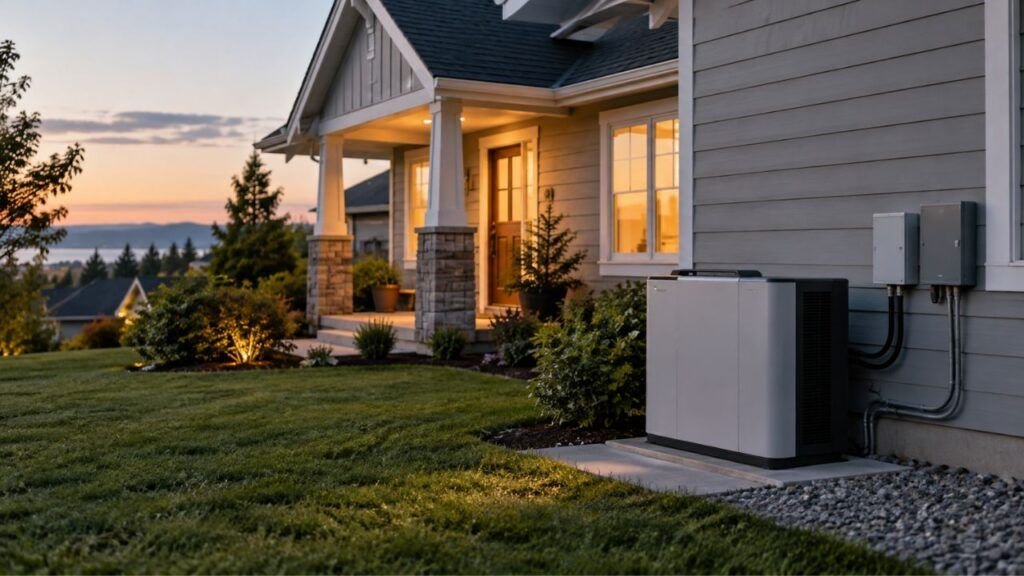
Large home battery systems are becoming more sophisticated.
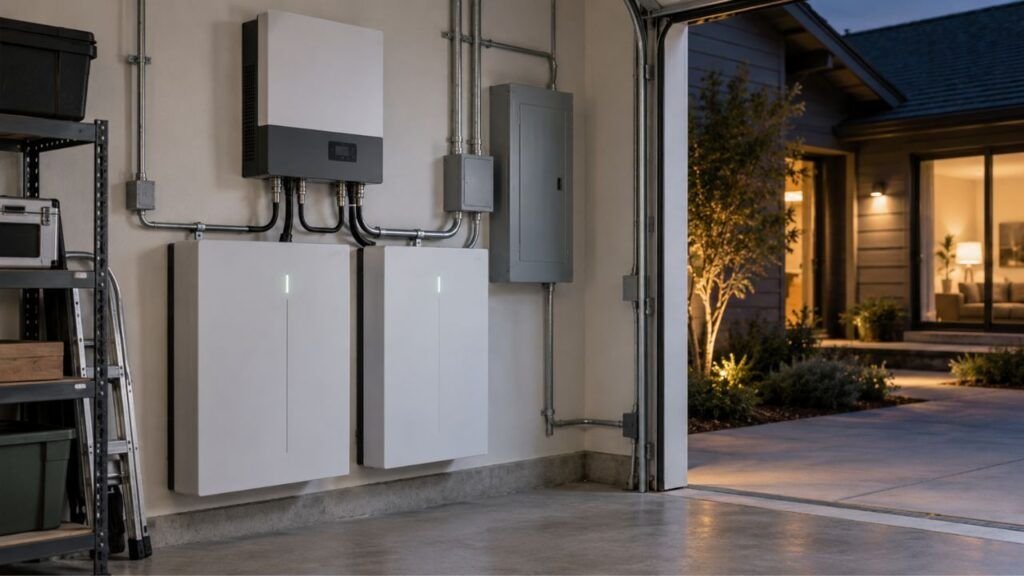
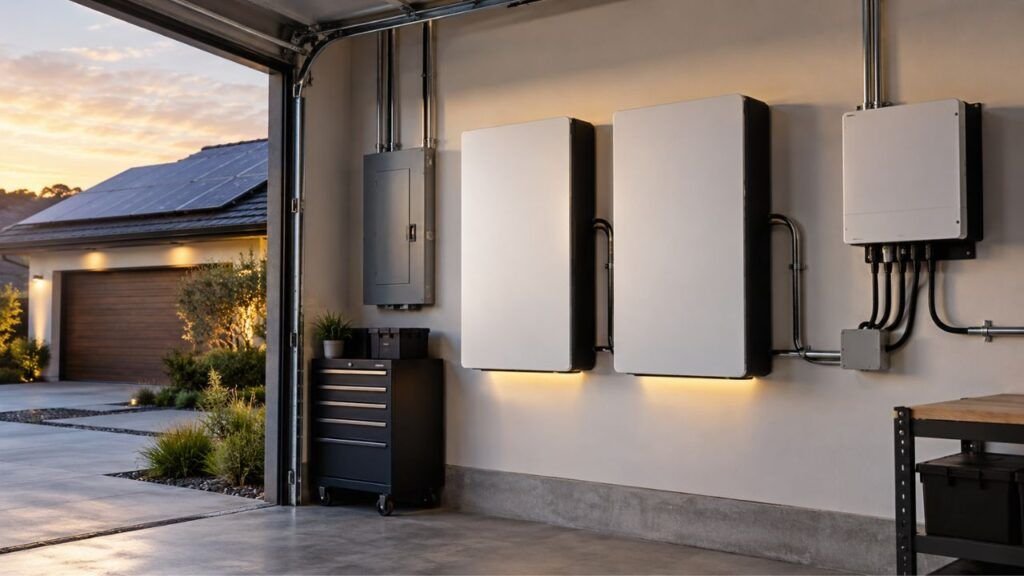
Some include smart electrical panels, automatic transfer equipment, or manufacturer-specific home integration hardware.
In those cases, installing another transfer switch may be unnecessary.
Always check the manufacturer’s approved setup first.
Adding unnecessary transfer equipment can make installation more complicated without improving safety.
When You Do Need Transfer Equipment
The situation changes once you want your solar generator to energize permanent household wiring. At that point, the backup source needs a safe connection method.
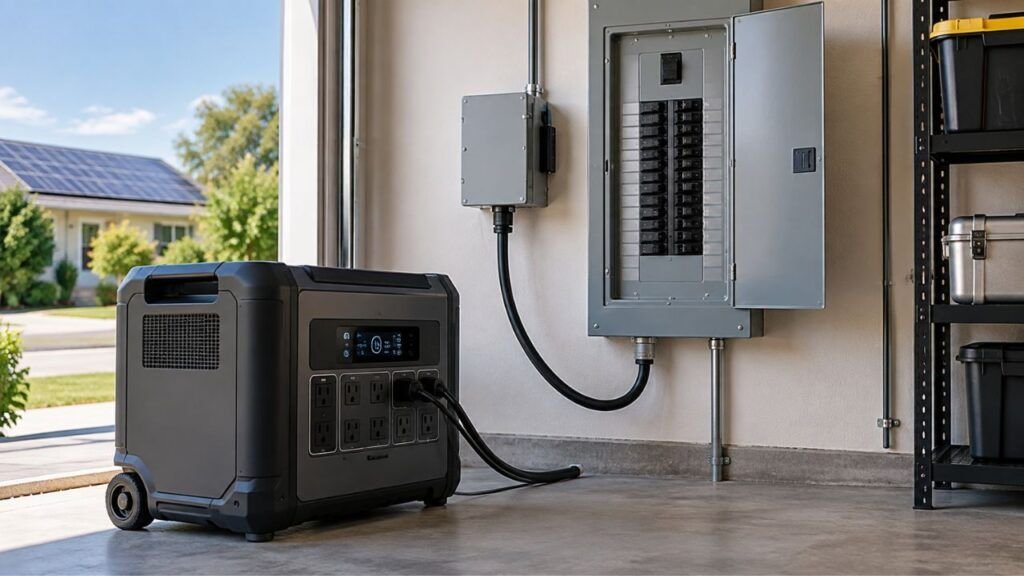
You Want to Power Circuits Through Your Breaker Panel
This is the main dividing line.
Suppose you want to connect your solar generator outside, then operate your refrigerator, lights, furnace, and internet through their normal circuits.
Now your generator is supplying the home’s electrical system.
You need equipment that prevents the utility and backup source from connecting simultaneously.
A transfer switch is one common solution.
A properly approved panel interlock may be another.
You Want to Run Hardwired Appliances
Hardwired appliances do not have ordinary plugs you can move easily.
Examples may include:
- Furnace systems
- Well pumps
- Hardwired sump pumps
- Built-in lighting
- Certain HVAC equipment
If those devices receive backup power through their existing circuits, proper transfer equipment becomes necessary.
Your solar generator must also support their electrical requirements.
You Want to Use Existing Wall Outlets During an Outage
Imagine the power fails, but you still want certain rooms operating normally.
You want lamps plugged into wall outlets. You want your refrigerator staying connected where it normally sits.
That convenience requires supplying electricity through your home wiring.
Once you do that, source isolation becomes important.
You cannot safely treat the house like one giant extension cord.
You Want Automatic Home Backup
Some larger solar generators can integrate with smart backup systems.
When grid power fails, the system may automatically transfer selected household loads to battery power.
That can be extremely convenient.
It also requires properly designed transfer equipment.
The system must know exactly when utility power disappears and when it returns.
Transfer Switch vs. Interlock vs. Smart Home Backup Panel
You have several ways to connect backup power safely. The right choice depends on your electrical panel, solar generator, budget, and how much automation you want.
| Feature | Manual Transfer Switch | Generator Interlock | Smart Backup Panel |
| Switching method | Manual | Manual | Usually automatic |
| Uses existing main panel | Partially | Yes | Depends on system |
| Available circuits | Selected circuits | Potentially many circuits | Selected or managed circuits |
| Load management | Manual | Manual | Often automated |
| Installation complexity | Moderate | Moderate | Higher |
| Typical cost | Moderate | Usually lower | Highest |
| Portable power station support | Often possible | Depends on system | Usually model-specific |
| Best use | Essential circuits | Flexible manual backup | Integrated home battery systems |
Manual Transfer Switch
A manual transfer switch usually controls several selected circuits.
During an outage, you connect your solar generator and manually move those circuits from utility power to backup power.
This works especially well with batteries.
You can intentionally choose only important loads and avoid draining your battery too quickly.
Generator Interlock
An interlock works differently.
Instead of creating another box containing selected circuits, it uses a mechanical arrangement at the main panel.
The interlock prevents the main utility breaker and generator breaker from being switched on simultaneously.
That lets you choose which household breakers remain active.
However, the interlock must be compatible with your specific electrical panel and installed correctly.
You should never improvise an interlock.
Smart Home Backup Panel
A smart backup panel takes things further.
It may automatically detect outages, manage household loads, prioritize circuits, and switch between grid and battery power.
Some systems even let you control loads from an app.
The downside is cost and compatibility.
These systems usually work with specific power stations or battery products.
Manual vs. Automatic Transfer Switch for a Solar Generator
Both types perform the same basic safety function. The difference is how and when the switch takes place.
Manual Transfer Switch
With a manual system, you make the transfer yourself.
When power fails, you connect your solar generator and move the appropriate switch to backup power.
Advantages include:
- Lower equipment cost
- Simple operation
- Fewer electronic components
- Greater control over battery usage
- Easier load management
Manual switching makes a lot of sense with smaller solar generators.
You decide exactly when each load receives power.
That can help extend battery runtime considerably.
Automatic Transfer Switch
An automatic transfer switch monitors utility electricity.
When grid power disappears, it can automatically move supported loads onto backup power.
When grid power returns, it switches them back.
The major advantage is convenience.
You do not need to be home when an outage occurs.
However, automatic transfer deserves careful planning with battery systems.
If several large appliances restart simultaneously, they could overwhelm your inverter.
A well-designed system should manage those loads correctly.
Will Any Solar Generator Work With a Transfer Switch?
No. Buying a transfer switch does not automatically make every solar generator suitable for home-panel backup. You need to check several specifications first.
Check the Solar Generator’s AC Output Voltage
Start with voltage.
Most smaller portable power stations in the U.S. provide 120V AC power.
Larger systems may provide 120/240V split-phase output.
This difference matters enormously.
A 120V unit may handle refrigerators, lights, electronics, and other ordinary circuits.
But true 240V appliances require compatible 240V output.
Check Continuous and Surge Output
Next, look at inverter wattage.
Continuous output tells you how much power the generator can supply steadily.
Surge output tells you how much temporary startup power it can provide.
Motor-driven appliances can require substantially more power during startup.
Examples include:
- Refrigerators
- Freezers
- Well pumps
- Sump pumps
- Furnace blowers
- Air conditioners
Your transfer equipment cannot compensate for an undersized inverter.
Check the Available High-Current Outlet
Your solar generator also needs an appropriate connection point.
Small 120V household outlets may not be suitable for larger home-backup connections.
Larger power stations can include higher-current outputs designed for backup integration.
The exact connector varies between systems.
What matters is matching the generator output, cable, inlet, transfer equipment, voltage, and current rating correctly.
Check Whether the Neutral Is Floating or Bonded
This part sounds technical, but it matters.
Some portable power stations use a floating neutral.
Other backup systems may use different neutral-ground arrangements.
The transfer equipment must work correctly with that configuration.
Incorrect neutral bonding can cause nuisance GFCI trips or create unsafe grounding conditions.
You do not need to redesign this yourself.
Check the manufacturer’s specifications and let the electrician verify the correct arrangement.
Check Manufacturer Compatibility
Some power stations are designed specifically for home integration.
Others are intended mainly for direct appliance use.
Before buying anything, check whether the manufacturer offers:
- Transfer switch support
- Smart panel support
- Generator inlet compatibility
- Split-phase accessories
- Home backup kits
Starting there can save you from buying incompatible hardware.
Can a Transfer Switch Make a 120V Solar Generator Power 240V Appliances?
No. A transfer switch does not convert 120V power into 240V power.
Think of the transfer switch as a traffic controller.
It decides where electricity comes from.
It does not change the electricity your inverter produces.
If your solar generator only supplies 120V, installing a 120/240V transfer switch does not suddenly give the generator true 240V output.
Common 240V household loads may include:
- Well pumps
- Central air conditioners
- Electric dryers
- Electric ranges
- Electric water heaters
- Some workshop tools
- EV charging equipment
If you need those appliances during outages, choose a solar generator designed to provide proper 120/240V output.
How Big Should Your Solar Generator Be for a Transfer Switch?
Connecting to more circuits often tempts people to run more appliances. Your solar generator still has strict power and battery limits.
Add the Running Watts of Your Essential Loads
First, list everything you expect to operate simultaneously.
For example:
- Refrigerator
- Freezer
- Router
- Several lights
- Furnace blower
Add their normal running wattage.
That gives you a rough minimum continuous power requirement.
Account for Starting Surge
Running watts tell only part of the story.
Compressors and motors often require extra power when starting.
Your refrigerator may consume relatively little while running but demand much more for a few seconds during compressor startup.
Your inverter must handle that surge.
Check Battery Capacity, Not Just Inverter Power
This is where many homeowners get confused.
Watts tell you how much load the generator can handle.
Watt-hours tell you roughly how long the battery can supply that load.
A powerful inverter does not automatically mean long runtime.
For example, a system might operate a large appliance successfully but drain its battery quickly.
Leave Some Operating Headroom
Avoid planning a backup system that constantly runs at its maximum rating.
Leaving some capacity available helps accommodate startup surges and unexpected loads.
It also makes managing your battery easier during longer outages.
What Home Circuits Should You Put on a Solar Generator Transfer Switch?
Battery backup works best when you prioritize important circuits. You usually get more value by powering essentials rather than trying to recreate normal grid usage.
Good priority circuits may include:
- Refrigerator
- Freezer
- Wi-Fi router
- Selected lighting
- Furnace blower
- Sump pump
- Well pump when compatible
- Essential kitchen outlets
- Security equipment
- Necessary medical devices
Think carefully before backing up high-consumption loads.
Examples include:
- Electric space heaters
- Electric water heaters
- Clothes dryers
- Electric ranges
- Central air conditioners
- Large workshop equipment
- EV chargers
Some large solar generators can handle these loads.
Smaller portable power stations usually cannot support them efficiently.
Is a Transfer Switch Required by Electrical Code?
Once backup power connects to household wiring, electrical rules become important. The goal is preventing your utility source and backup source from becoming connected accidentally.
What NEC Article 702 Means for Home Backup
Optional standby systems used for home backup generally require suitable transfer or interconnection equipment.
That equipment must prevent unintended connection between normal utility power and the alternate source.
This is why directly backfeeding a household circuit is not an acceptable substitute.
However, this does not mean every installation needs a separate box labeled “transfer switch.”
Different approved equipment can perform the required isolation function.
Can an Interlock Satisfy the Requirement?
In some installations, yes.
A properly listed and compatible panel interlock can prevent the utility main breaker and backup breaker from being on simultaneously.
That gives you mechanical source isolation.
But compatibility matters.
An interlock designed for one electrical panel should not be assumed safe for another.
Your local inspector may also have specific requirements.
Local Codes, Permits, and Your AHJ
Electrical rules vary across the United States.
Different states and municipalities adopt different electrical-code editions and local amendments.
Your AHJ, or Authority Having Jurisdiction, determines what is accepted locally.
Depending on your project, you may need:
- An electrical permit
- Inspection
- Listed transfer equipment
- Panel-specific hardware
- Proper generator inlet equipment
- Correct grounding and bonding
- Professional installation
Checking locally before purchasing equipment can prevent expensive mistakes later.
Why You Should Never Backfeed a Solar Generator Through a Wall Outlet
Never connect your solar generator to a household outlet using a homemade double-male cord. This bypasses the safety systems designed to keep utility and backup power separated.
Doing this can:
- Energize utility wiring unexpectedly.
- Put utility workers at risk.
- Create exposed live plug prongs.
- Overload household branch-circuit wiring.
- Damage your solar generator when grid power returns.
- Energize circuits you did not expect.
- Bypass proper transfer and overcurrent protection.
- Violate electrical requirements.
Instead, either plug appliances directly into the solar generator or use proper home-backup connection equipment.
There is no good reason to gamble with improvised backfeeding.
How to Set Up a Solar Generator for Home-Circuit Backup Safely
A good home-backup setup starts with planning, not wiring. Work through these steps before choosing the transfer equipment.
- List your essential circuits. Decide what truly needs power during an outage.
- Check their running watts. Add the loads that may operate together.
- Check startup requirements. Motors and compressors may need substantial surge power.
- Identify voltage requirements. Determine whether anything requires true 240V.
- Check your solar generator. Verify voltage, wattage, outlets, and battery capacity.
- Review manufacturer options. Look for approved transfer or smart-panel hardware.
- Choose suitable transfer equipment. Match it to your generator and electrical panel.
- Use proper inlet equipment. Do not feed household wiring through an ordinary receptacle.
- Follow local permit requirements. Have panel work completed correctly.
- Test your backup plan. Make sure your essential loads work before an emergency.
You should also create a simple load-management plan.
Know which breakers stay off when battery power takes over.
That small step can dramatically increase your available runtime.
How Much Does a Solar Generator Transfer Switch Cost?
Your total cost depends on how sophisticated the installation becomes. A simple manual setup costs far less than a fully automatic smart home battery system.
| Setup | General Cost Level | Best For |
| Direct appliance connection | Lowest | Small emergency backup |
| Interlock and power inlet | Lower | Flexible manual backup |
| Manual transfer switch | Moderate | Selected household circuits |
| Automatic transfer equipment | Higher | Automatic outage response |
| Smart home backup panel | Highest | Large integrated battery systems |
A basic home-backup connection often costs several hundred dollars after hardware and professional labor.
More complex automatic systems can easily move into four-figure territory.
Smart electrical panels and whole-home battery integration can cost substantially more.
Your panel condition also affects the final price.
Older electrical panels may require additional upgrades before backup equipment can be installed safely.
Common Mistakes When Adding a Transfer Switch to a Solar Generator
Most transfer-switch problems begin before installation. Avoiding these common mistakes can save you considerable money and frustration.
- Buying transfer equipment before checking generator voltage.
- Assuming every solar generator supports panel connection.
- Trying to run 240V loads from a 120V-only unit.
- Ignoring motor startup surge.
- Connecting too many circuits.
- Focusing on inverter watts while ignoring battery capacity.
- Assuming a 30A or 50A outlet guarantees maximum power.
- Ignoring floating-neutral or bonded-neutral requirements.
- Buying an interlock not designed for your exact panel.
- Assuming a transfer switch increases generator output.
- Letting automatic backup restart too many loads together.
- Using improvised cords to backfeed household outlets.
- Forgetting to test the system before an outage.
The best approach is simple.
Start with what you want to power.
Then work backward to the generator and transfer equipment required.
Final Verdict
You do not need a transfer switch if you’re simply plugging appliances directly into your solar generator. That setup keeps your backup source completely separate from household wiring and works well for many emergency situations.
However, once your solar generator supplies circuits through the home’s electrical panel, you generally need approved equipment that safely separates utility power from backup power. That could be a manual transfer switch, properly compatible interlock, automatic transfer system, or manufacturer-designed smart backup panel.
Most importantly, choose your solar generator first based on the loads you need. Then match the transfer equipment to its voltage, wattage, outlet configuration, and your home’s electrical panel. A licensed electrician can help make sure the final connection complies with local requirements and works safely when you actually need it.
Related FAQs
Can I Use a Solar Generator Without a Transfer Switch?
Yes. You can use a solar generator without a transfer switch when appliances plug directly into its outlets. A transfer device becomes important when the generator supplies your home’s permanent electrical wiring.
Can I Plug a Solar Generator Into My House Outlet During an Outage?
No. You should not backfeed a solar generator through an ordinary wall outlet. Use direct appliance connections or properly installed transfer and inlet equipment instead.
Can I Connect a Solar Generator Directly to My Breaker Panel?
A solar generator can supply a breaker panel when the system is properly designed, but it should not simply be wired directly into the panel without approved transfer or interconnection equipment.
Can I Use an Interlock Instead of a Transfer Switch?
Yes, in some homes. A properly listed and panel-compatible interlock can provide the required source isolation, but local electrical requirements and your specific panel design determine whether it is acceptable.
Does a Transfer Switch Charge the Solar Generator?
No. A standard transfer switch controls which power source feeds your home circuits. Charging normally happens separately through solar panels, AC charging, vehicle charging, or another supported input.
Can a 120V Solar Generator Work With a Transfer Switch?
Yes. A 120V solar generator can work with compatible transfer equipment for appropriate 120V circuits. However, the transfer switch cannot make the generator produce true 240V power.
Can a Solar Generator Run a Well Pump Through a Transfer Switch?
Possibly. The generator must match the pump’s voltage, running wattage, and startup surge. Many well pumps use 240V, so smaller 120V solar generators cannot operate them.
Can a Solar Generator Power a Furnace Through a Transfer Switch?
Yes, if the generator and furnace circuit are electrically compatible. Check the furnace’s running and startup requirements and make sure the transfer setup handles the circuit correctly.
Do I Need a 30-Amp or 50-Amp Transfer Switch?
The correct size depends on your solar generator’s output, connector, voltage, maximum current, and the circuits you plan to back up. Bigger transfer equipment does not increase generator output.
Does a Solar Generator With a Built-In Transfer Switch Need Another One?
Not always. Some home battery systems already include approved transfer functionality or use a dedicated smart backup panel. Follow the manufacturer’s specified home-integration method before adding separate equipment.

Austin Parker writes practical generator how-to guides, troubleshooting advice, and buying guides for solar, portable, and fuel-powered generators. His focus is helping readers solve common power problems, understand their options, and choose dependable equipment for real-world use.