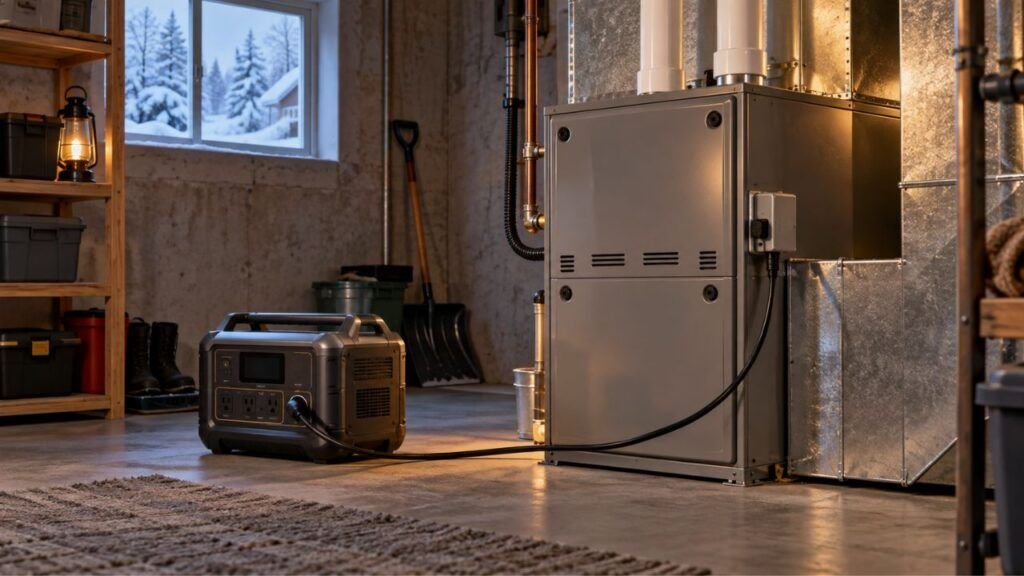
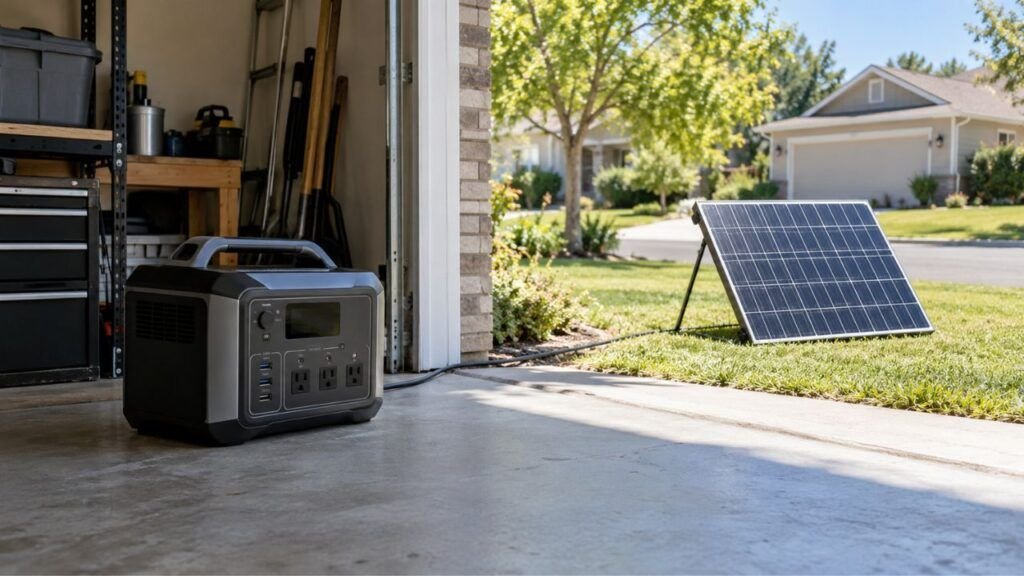
Most solar generator batteries last about 5 to 15 years with normal use. Modern LiFePO4 batteries usually last the longest, often providing thousands of charge cycles. Actual lifespan still depends on battery chemistry, charging habits, temperature, storage conditions, and how deeply you discharge the battery.
In this guide, I’ll explain how solar generator battery life works. You’ll also learn what cycle ratings mean, what shortens battery life, and how to make your battery last longer.
Key Takeaways
- Most solar generator batteries last around 5 to 15 years.
- LiFePO4 batteries usually offer the longest useful lifespan.
- Many LFP batteries provide 3,000 to 6,000 or more cycles.
- Older NMC lithium batteries usually have fewer rated cycles.
- Battery cycle life and calendar life are two different things.
- A battery does not normally die after reaching its cycle rating.
- Heat, deep discharges, and poor storage can increase degradation.
- Stored batteries still age even when they are rarely used.
- Manufacturer cycle ratings should include a capacity-retention percentage.
- Good charging and storage habits can help preserve battery capacity.
How Long Do Solar Generator Batteries Last?
Solar generator battery lifespan varies widely between battery types. Most newer portable solar generators now use lithium-based batteries because they offer better cycle life, lower weight, and easier maintenance.
| Battery Type | Typical Cycle Life | Approximate Useful Lifespan | Common Today? |
| LiFePO4 / LFP | 2,500 to 6,000+ cycles | 8 to 15+ years | Very common |
| NMC Lithium-Ion | 500 to 1,500 cycles | 3 to 7 years | Common in older models |
| Lead-Acid / AGM | 200 to 500 cycles | 2 to 5 years | Less common |
These are general estimates rather than guaranteed lifespans.
Two batteries using the same chemistry can have different cycle ratings. Battery management, cell quality, operating temperatures, and charging limits all matter.
You should therefore check the exact specifications for your solar generator.
Also look at the percentage shown beside its cycle rating.
For example, one battery may offer 3,000 cycles to 80% capacity. Another may advertise 4,000 cycles to 70% capacity.
Those specifications do not mean exactly the same thing.
Battery Lifespan Is Different From Battery Runtime
Battery lifespan tells you how long the battery remains useful over years. Runtime tells you how long your appliances run from one battery charge.
These two terms are easy to confuse.
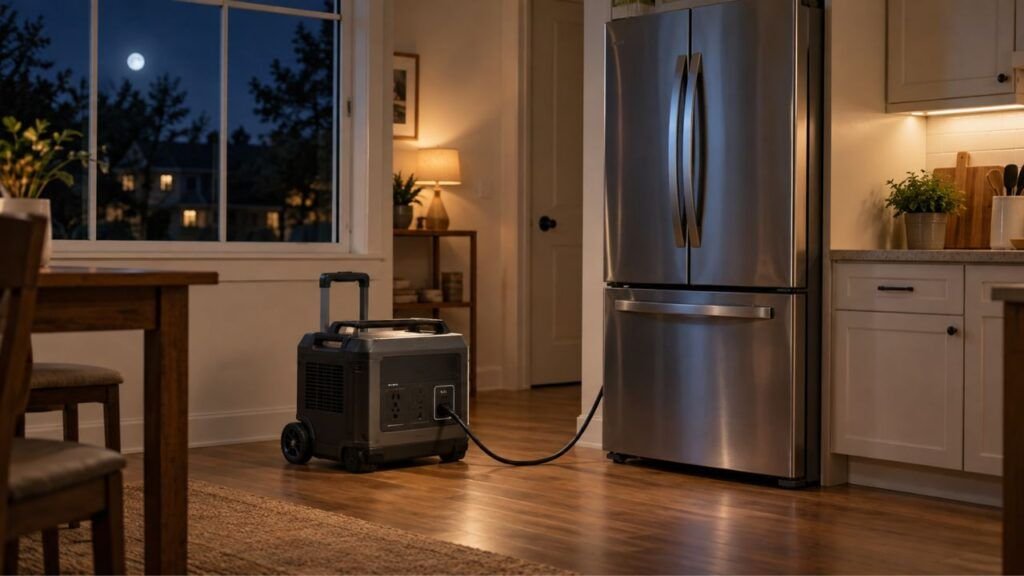
Suppose you have a 2,000Wh solar generator running a refrigerator.
The refrigerator might run for several hours before recharging becomes necessary. That describes runtime, not the battery’s total lifespan.
Battery lifespan instead measures long-term degradation.
A battery gradually stores less energy as it ages and accumulates cycles.
A larger battery does not automatically have a longer chemical lifespan either.
However, a larger battery may experience shallower discharge cycles with smaller loads. That can sometimes reduce stress compared with repeatedly draining a smaller battery.
What Does a Solar Generator Battery Cycle Mean?
Battery manufacturers often use charge cycles to describe expected battery longevity. Understanding that number makes comparing solar generators much easier.
What Counts as One Battery Cycle?
One battery cycle generally means using energy equal to 100% capacity.
You do not have to discharge everything at once.
For example, imagine you use 50% of the battery today. You recharge it and use another 50% tomorrow.
Together, those two periods equal roughly one full equivalent cycle.
That means plugging your solar generator in does not automatically add one cycle.
Partial charging and discharging accumulate over time.
What Does 3,000 Cycles to 80% Capacity Mean?
This specification is commonly misunderstood.
It does not usually mean your battery dies after 3,000 cycles.
Instead, it means the battery should retain about 80% original capacity after approximately 3,000 rated cycles under specified conditions.
Imagine your solar generator originally stores 1,000Wh.
At 80% remaining capacity, it might effectively store around 800Wh under comparable conditions.
The generator can still work.
You simply have less usable battery capacity than when it was new.
Why the Capacity-Retention Percentage Matters
Always check the percentage attached to a battery cycle rating.
One manufacturer might advertise:
- 3,500 cycles to 80% capacity.
- 4,000 cycles to 70% capacity.
Looking only at the larger cycle number could be misleading.
The second battery reaches its stated cycle target with less original capacity remaining.
This is why I recommend comparing both numbers together.
Cycle Life vs Calendar Life: Why Both Matter
Battery lifespan depends on more than the number of times you recharge it. Lithium batteries experience both cycle aging and calendar aging.
What Is Cycle Aging?
Cycle aging happens while you charge and discharge the battery.
Every cycle causes small chemical changes inside the battery cells.
Those changes gradually reduce available capacity.
Frequent full cycles usually cause faster cycle accumulation than occasional use.
Someone using a solar generator every day will therefore reach its rated cycle count sooner.
What Is Calendar Aging?
Calendar aging happens simply as the battery gets older.
The battery can lose capacity even while sitting in storage.
Temperature and storage charge levels can influence this process.
This is why rarely using a battery does not preserve it forever.
A ten-year-old battery with very few cycles can still have less capacity than when it was new.
Why Dividing Battery Cycles by 365 Can Be Misleading
You may see people calculate battery life using simple division.
For example:
3,000 cycles ÷ 365 days = about 8.2 years.
That calculation can provide a rough cycling estimate.
However, it does not predict exact battery lifespan.
Now imagine using those 3,000 cycles once every week.
Mathematically, the battery would need more than 57 years to reach 3,000 cycles.
You should not expect the battery to remain like new for 57 years.
Calendar aging continues regardless of cycle count.
How Long Do LiFePO4 Solar Generator Batteries Last?
LiFePO4 batteries usually offer the best lifespan among modern portable solar generator batteries.
LiFePO4 is also called LFP or lithium iron phosphate.
Many current LFP solar generators advertise approximately 3,000 to 4,000 cycles. Some batteries can offer considerably more under certain conditions.
That makes LFP particularly useful for frequent backup power.
It is also popular for RV use, camping, cabins, and off-grid systems.
An LFP solar generator used occasionally may provide useful service for many years.
Daily use can accumulate cycles much faster.
Even then, thousands of cycles provide significant long-term durability.
Remember that LFP batteries still experience calendar aging.
A high cycle rating is not a guarantee of unlimited calendar life.
How Long Do NMC Lithium-Ion Solar Generator Batteries Last?
NMC lithium batteries generally have shorter cycle lives than modern LFP batteries.
NMC stands for nickel manganese cobalt.
This chemistry became common in many earlier portable power stations.
One advantage is high energy density.
Manufacturers could build relatively light batteries with useful energy capacity.
However, many NMC power stations offer roughly 500 to 1,500 rated cycles.
That can still be enough for occasional camping or emergency backup.
Suppose you use your generator only during several outages each year.
A lower cycle rating may take many years to become limiting.
However, frequent daily cycling generally favors LFP technology.
How Long Do Lead-Acid Solar Generator Batteries Last?
Lead-acid batteries usually provide fewer deep cycles than lithium batteries.
They were more common in older backup power systems.
AGM and gel batteries are also forms of lead-acid technology.
These batteries are usually heavier than lithium alternatives.
They can also suffer greater wear from repeated deep discharge.
A typical deep-cycle lead-acid battery may provide a few hundred cycles.
Actual lifespan depends strongly on discharge depth and maintenance.
Most modern portable solar generators have moved toward lithium batteries.
For that reason, lead-acid lifespan matters mainly for older equipment and DIY systems.
What Shortens a Solar Generator Battery’s Life?
Several everyday conditions can accelerate battery degradation. Some are easy to avoid once you know what causes them.
Extreme Heat
Heat is one of the biggest enemies of lithium batteries.
Avoid storing your solar generator inside extremely hot spaces.
A closed vehicle during summer can become especially hot.
Garages, sheds, and attics can also reach damaging temperatures.
Whenever possible, store the unit in a dry, temperature-controlled location.
Repeated Deep Discharges
Using nearly every available watt-hour is sometimes unavoidable.
That is especially true during emergencies.
However, repeatedly running a battery extremely low can increase battery stress.
You do not need to obsess over maintaining one exact charge percentage.
Just avoid unnecessary deep discharge when practical.
Follow your manufacturer’s recommendations for everyday use.
Leaving the Battery Empty for Months
Do not intentionally store your solar generator completely discharged.
Batteries slowly lose charge while sitting unused.
Internal electronics can also consume small amounts of power.
If the charge drops too far, recovering the battery can become difficult.
Check stored units periodically.
Poor Long-Term Storage Habits
There is no single storage percentage that fits every solar generator.
Some manufacturers recommend approximately 40% to 60% charge.
Others provide different storage instructions.
Your owner’s manual should therefore be your primary guide.
Avoid assuming every lithium battery should always sit at 50%.
High Temperatures During Charging
Charging naturally creates some heat.
Heavy loads and fast charging can also increase internal temperatures.
Your battery management system helps control unsafe conditions.
Still, good ventilation matters.
Keep cooling vents open and avoid covering the generator while charging.
Frequent Full Cycles
Daily cycling uses battery life faster than occasional emergency use.
That does not make daily use harmful.
It simply means you accumulate equivalent cycles more quickly.
If you plan daily use, prioritize a battery with strong cycle specifications.
How Usage Frequency Changes Real-World Battery Life
Your usage pattern can matter just as much as battery chemistry. Here’s how lifespan expectations change across common situations.
Occasional Emergency Backup
Emergency-only use normally accumulates cycles very slowly.
You might use the generator during only several outages each year.
In this situation, calendar aging can matter more than cycle aging.
A quality LFP unit may remain useful for many years.
Weekend Camping or RV Use
Weekend users usually accumulate a moderate number of yearly cycles.
You may partially discharge the battery several times each month.
An LFP battery can handle this type of use comfortably.
NMC batteries can also remain practical when usage stays moderate.
Daily Home or Off-Grid Use
Daily use places much greater importance on cycle life.
Running appliances every day can add hundreds of cycles annually.
For this use, I would pay close attention to:
- Battery chemistry.
- Cycle rating.
- Capacity-retention percentage.
- Warranty coverage.
- Cooling and temperature limits.
- Replacement or expansion options.
Can a Solar Generator Battery Last Longer Than Its Rated Cycle Life?
Yes, a solar generator battery can continue working after its rated cycle life.
The cycle number usually identifies a capacity-retention milestone.
It is not normally an expiration date.
Suppose your battery reaches its rated cycle count at 80% capacity.
You could continue using it afterward.
Its capacity might eventually fall to 75%, 70%, or lower.
Whether that matters depends on what you power.
A smaller remaining capacity might still handle lights and phone charging easily.
However, reduced capacity becomes more noticeable when running refrigerators, heaters, air conditioners, or other large loads.
Does a Solar Generator Battery Degrade When It Is Not Used?
Yes, solar generator batteries slowly degrade even while unused.
This happens because of calendar aging.
A stored battery can also lose charge through normal self-discharge.
Small standby loads from the battery management system may contribute too.
However, self-discharge and permanent battery degradation are different.
Self-discharge means the battery simply lost stored energy.
You can usually recharge that energy.
Degradation means the battery permanently holds less energy than before.
Proper storage helps slow that process.
How to Make a Solar Generator Battery Last Longer
You cannot stop battery aging completely. However, a few good habits can help reduce unnecessary stress.
- Follow the storage instructions in your owner’s manual.
- Avoid leaving the generator inside extremely hot locations.
- Do not store the battery completely discharged.
- Avoid unnecessary deep discharges during normal use.
- Keep cooling vents clean and unobstructed.
- Use the generator within its rated temperature range.
- Charge the battery periodically during long storage.
- Use approved charging cables and compatible solar panels.
- Avoid exposing the unit to moisture unless specifically rated.
- Install firmware updates when recommended by the manufacturer.
- Check stored generators before severe-weather seasons begin.
- Stop using damaged or swollen batteries.
You do not need to baby your battery constantly.
Modern battery management systems handle many protections automatically.
Simple temperature and storage habits usually matter more.
How Can You Tell a Solar Generator Battery Is Wearing Out?
Battery degradation normally appears gradually rather than suddenly. Watch for several changes that can indicate declining battery health.
- Runtime becomes noticeably shorter than before.
- Battery percentage falls faster under normal loads.
- Full charges provide fewer usable watt-hours.
- The generator shuts down earlier than expected.
- Charging takes significantly different amounts of time.
- Familiar appliances no longer run as long.
- Battery health readings show declining capacity.
- Frequent BMS warnings begin appearing.
- The battery becomes unusually hot during ordinary use.
Physical swelling, leakage, burning smells, or unusual heat require more caution.
Stop using the unit if you notice physical battery damage.
Follow the manufacturer’s safety and service instructions before using it again.
When Should You Replace a Solar Generator Battery?
You do not necessarily need replacement when capacity reaches 80%.
Many batteries remain completely useful at that level.
Replacement becomes more reasonable when remaining capacity no longer meets your needs.
For example, your generator may once have powered a refrigerator overnight.
After years of use, it might stop several hours earlier.
That reduced runtime could justify replacing the battery.
You should also consider service when the unit becomes unreliable.
Battery faults, unusual temperatures, swelling, or charging problems need attention.
Some solar generators have removable or expandable batteries.
Others use internal battery packs requiring professional service.
Check replacement options before buying if long-term ownership matters to you.
Does the Solar Generator Last Longer Than Its Battery?
A solar generator contains much more than battery cells.
It also includes an inverter, charge controller, battery management system, display, cooling components, wiring, and power outlets.
Any component can eventually fail.
The battery is simply one major part that gradually loses capacity through normal aging.
Do not confuse solar generator battery lifespan with solar panel lifespan either.
Solar panels commonly remain useful much longer than portable battery packs.
The panels and battery should therefore be considered separately.
What Battery Lifespan Should You Look for Before Buying a Solar Generator?
Cycle count is important, but it should never be your only buying factor. Look at the complete battery specification instead.
- Battery chemistry: LFP usually offers excellent cycle durability.
- Rated cycles: More cycles can support more frequent long-term use.
- Capacity retention: Check whether the rating ends at 80%, 70%, or another level.
- Warranty: A longer warranty can provide additional ownership confidence.
- Battery replacement: Find out whether damaged or aging batteries are serviceable.
- Expansion support: Extra batteries may increase long-term flexibility.
- Operating temperature: Make sure the unit suits your climate.
- Charging temperature: Cold-weather charging limits can matter in northern states.
- Storage guidance: Review the manufacturer’s long-term storage instructions.
- BMS protections: Good battery management helps control unsafe conditions.
Never compare two solar generators using cycle count alone.
A higher number can look better while using a lower capacity-retention threshold.
Always read both figures.
Final Verdict
Most solar generator batteries can provide 5 to 15 years of useful service, depending on chemistry and usage. Modern LiFePO4 batteries generally offer the best cycle life, especially for frequent backup or off-grid use.
Still, there is no exact number that applies to every battery. Cycle ratings, calendar aging, temperature, storage, discharge depth, and battery management all affect longevity.
The most important thing to remember is simple. Your battery usually does not suddenly die after reaching its rated cycles. It gradually stores less energy, and you can often keep using it until that reduced capacity no longer meets your needs.
Related FAQs
How Many Years Does a Solar Generator Battery Last?
Most solar generator batteries last around 5 to 15 years, although battery chemistry and usage make a major difference. LiFePO4 batteries generally last longer than older NMC lithium and lead-acid batteries.
How Many Cycles Does a Solar Generator Battery Last?
Modern LFP solar generator batteries often provide around 2,500 to 6,000 or more cycles. NMC lithium batteries usually offer fewer cycles, while lead-acid batteries commonly provide only a few hundred deep cycles.
How Long Does a LiFePO4 Solar Generator Battery Last?
A LiFePO4 solar generator battery can often provide around 8 to 15 years of useful service. Many current LFP batteries also carry ratings of 3,000 cycles or more before reaching a specified remaining capacity.
Does a Solar Generator Battery Go Bad If You Don’t Use It?
Yes, a battery still experiences calendar aging while unused. Proper storage temperatures, suitable charge levels, and periodic charging checks can help reduce unnecessary degradation during long periods of storage.
Is It Bad to Leave a Solar Generator Fully Charged?
Occasionally charging a solar generator to 100% is normal. However, storing certain lithium batteries fully charged for very long periods may increase aging, so follow your manufacturer’s specific storage recommendations.
Should You Drain a Solar Generator Battery Before Recharging?
No, lithium solar generator batteries do not need complete discharge before recharging. Partial charging is perfectly normal and often avoids the unnecessary stress caused by repeated deep discharges.
What Happens After 3,000 Battery Cycles?
The battery normally keeps working after 3,000 cycles. Its cycle rating usually means the battery has reached a specified remaining capacity, such as 80%, rather than becoming unusable immediately.
Can You Replace the Battery in a Solar Generator?
It depends on the solar generator design. Some models use removable or expandable battery packs, while others contain internal batteries that require manufacturer or professional service for replacement.
Do Solar Generator Batteries Lose Capacity Over Time?
Yes, all rechargeable batteries gradually lose capacity through cycle aging and calendar aging. You may notice shorter runtime after years of use even though the battery still charges and powers appliances normally.
How Often Should You Charge a Stored Solar Generator?
Check the manufacturer’s storage instructions because recommendations vary. Many brands suggest inspecting and recharging stored batteries every few months to prevent them from remaining at an excessively low charge.

Austin Parker writes practical generator how-to guides, troubleshooting advice, and buying guides for solar, portable, and fuel-powered generators. His focus is helping readers solve common power problems, understand their options, and choose dependable equipment for real-world use.