
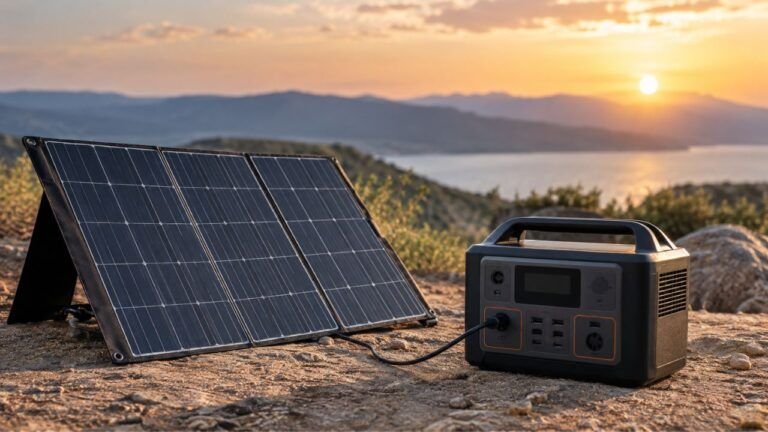
Your solar generator may not charge from solar panels because of weak sunlight, loose connections, incorrect panel voltage, reversed polarity, or temperature protection. An incompatible solar setup...
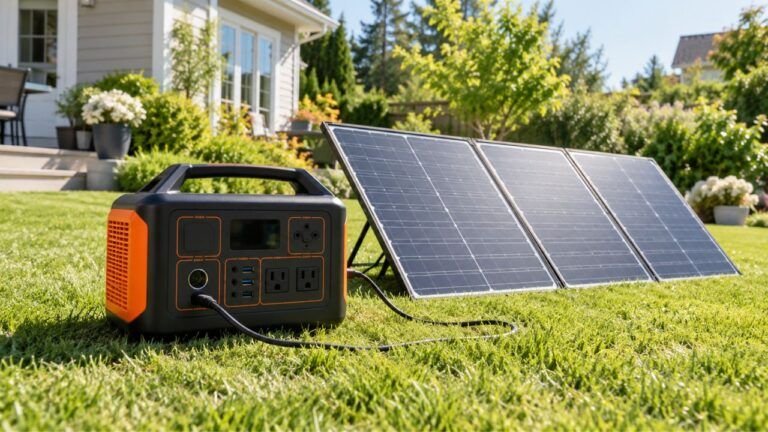
Your solar generator usually charges slowly because it is receiving fewer usable solar watts than expected. Weak sunlight, shade, poor panel positioning, input limits, running appliances, temperature...
A solar generator can lose battery power while turned off because some internal electronics may still remain active. Normal battery self-discharge, standby circuits, wireless features, enabled...
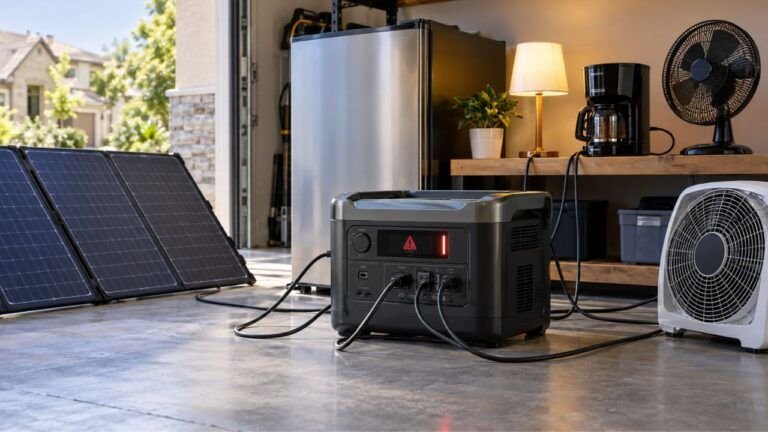
Your solar generator usually keeps overloading because connected devices demand more power than its inverter can safely supply. The problem may come from excessive running watts, a high startup surge...
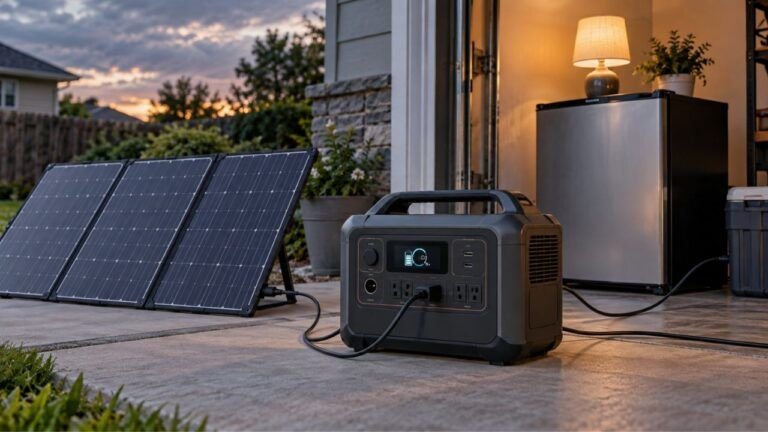
Your solar generator battery percentage usually drops too fast because your connected devices are using more power than expected, the AC inverter is consuming extra energy, the battery did not fully...
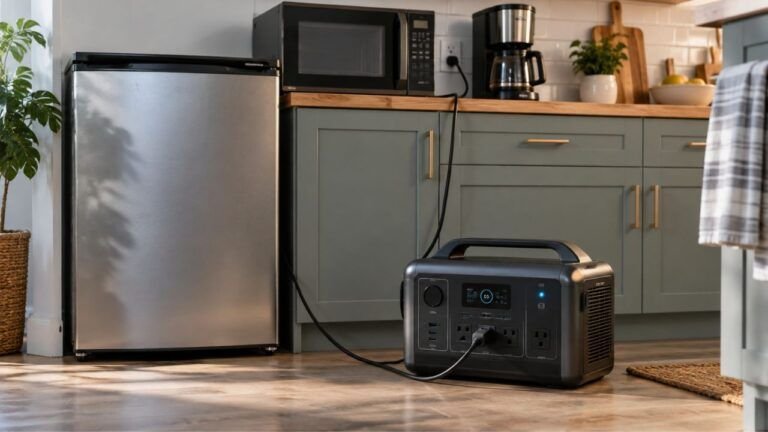
Your solar generator may not power an appliance because its running or starting wattage exceeds the inverter limit. The AC output may also be turned off, overloaded, overheated, or disabled by low...
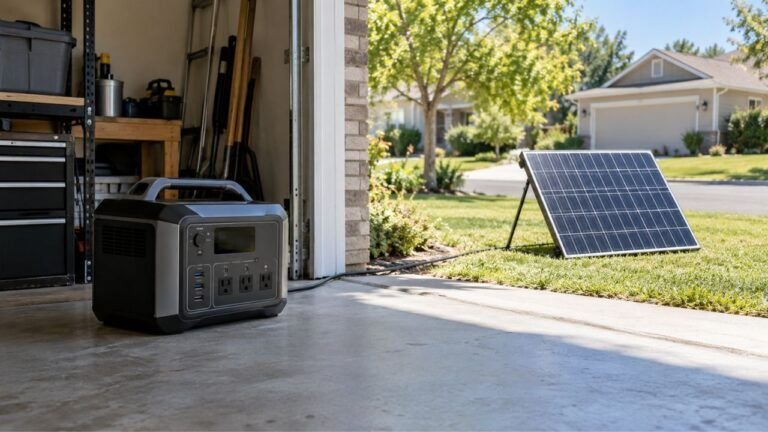
Most solar generator batteries last about 5 to 15 years with normal use. Modern LiFePO4 batteries usually last the longest, often providing thousands of charge cycles. Actual lifespan still depends on...
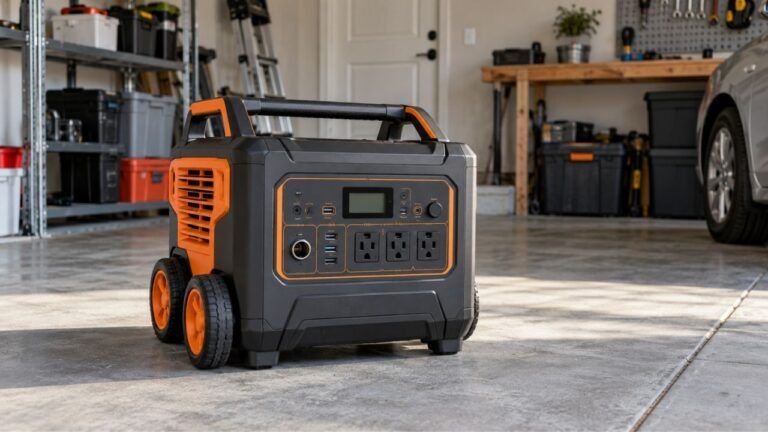
No, you do not need a transfer switch when plugging appliances directly into your solar generator. However, if you want the solar generator to power circuits through your home’s electrical...
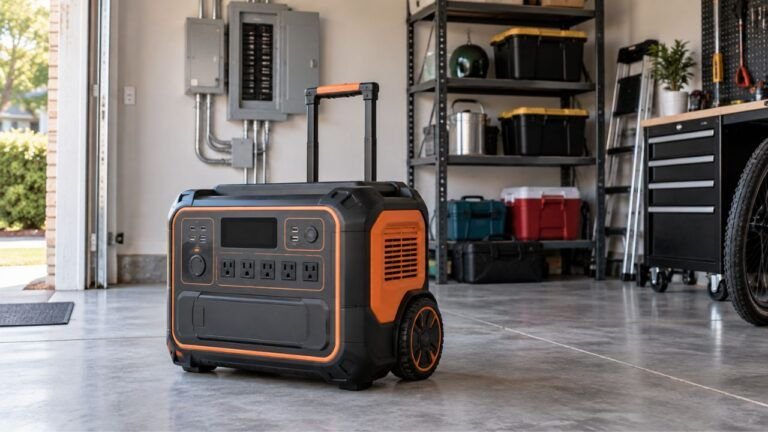
Yes, you can use an interlock kit with a compatible solar generator. For a typical U.S. whole-panel setup, the solar generator should provide true 120/240V split-phase output. You also need a...