
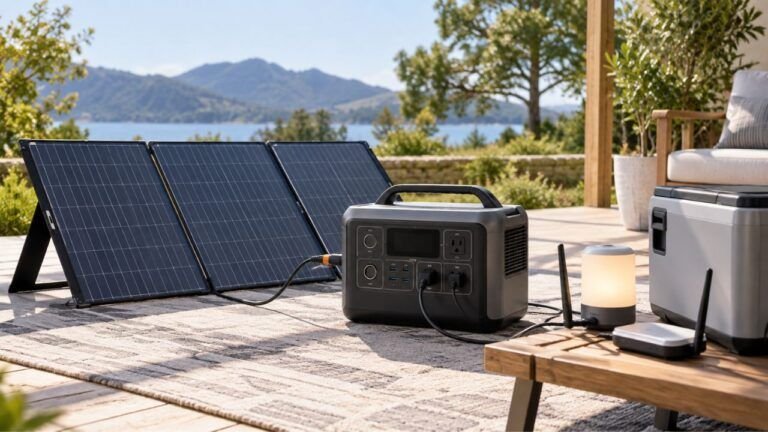
Yes, you can use many solar generators while they are charging, as long as the specific model supports pass-through charging. You can keep devices running while the battery receives power from solar...
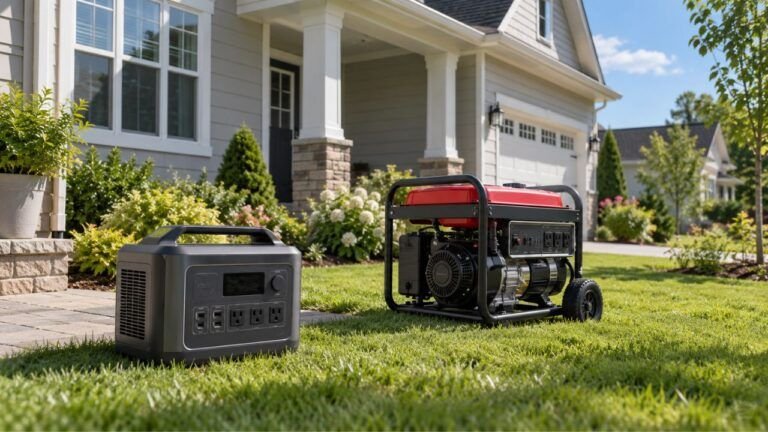
The safest way to avoid backfeeding the utility grid is to keep your backup power source electrically isolated from utility power. If a solar generator or portable generator powers home circuits, use...
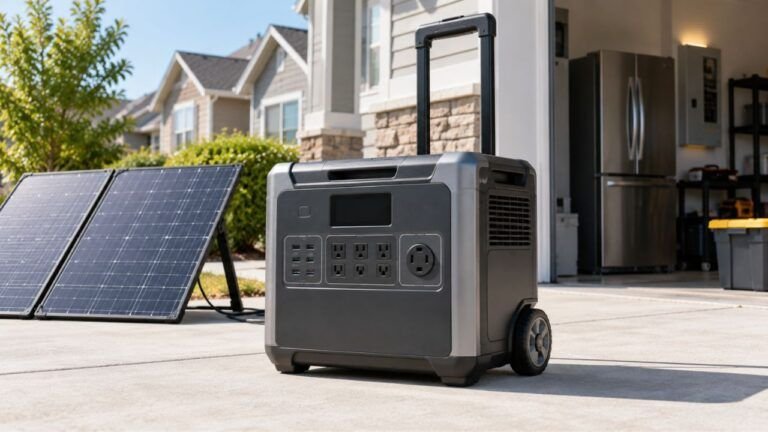
Yes, a solar generator can power both 120V and 240V loads, but only when it supports true 120/240V split-phase output. Most portable solar generators provide 120V only. A larger battery or higher...
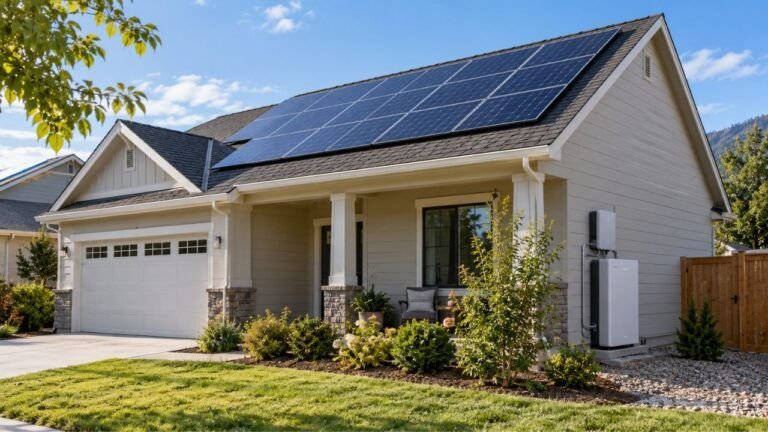
Most U.S. homes may need around 10 to 25 modern solar panels for substantial home backup, but there is no universal number. A smaller essential-load backup system may need only 4 to 10 panels, while...

Solar panels usually take about 3 to 8 hours of strong solar charging to recharge a well-matched generator. However, the actual time can range from a few hours to several days. Battery size, panel...
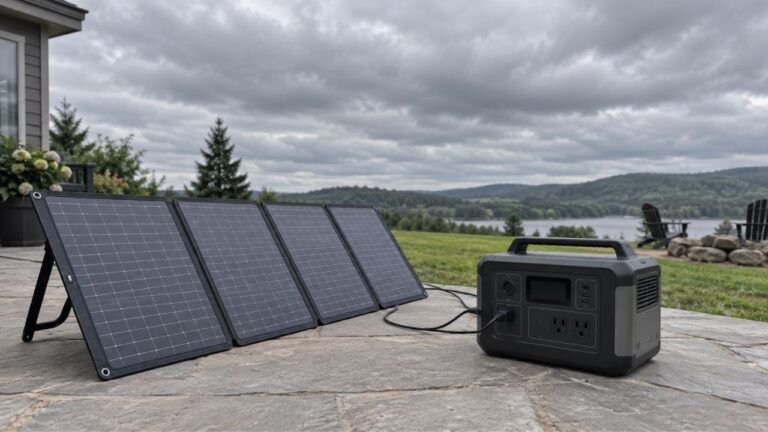
Yes, solar panels can recharge a solar generator on cloudy days. Clouds reduce the sunlight reaching your panels, so charging becomes slower. Light overcast conditions may still provide useful power...

Yes, a properly sized solar generator can handle off-grid tiny-home living. The key is matching battery capacity, inverter output, solar charging capacity, and daily electricity use to your actual...

If solar panel voltage becomes too high, your inverter, charge controller, or solar generator may shut down to protect itself. If the voltage exceeds the equipment’s absolute maximum input...
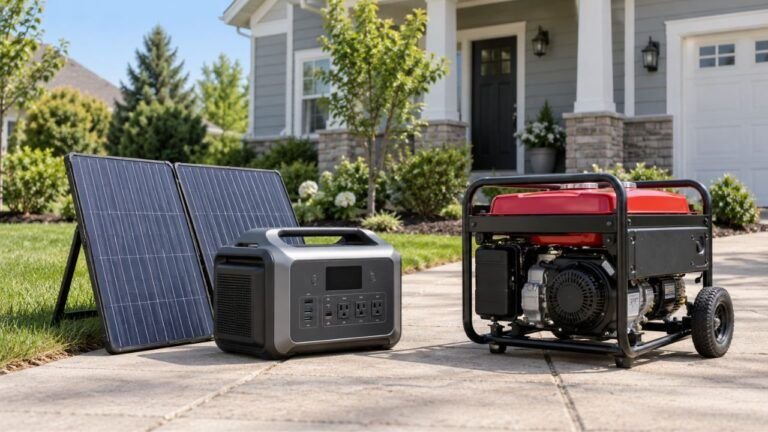
A solar generator is usually better for quiet, low-maintenance backup of essential household devices, while a gas generator is often better for heavier loads and longer outages when fuel is available...