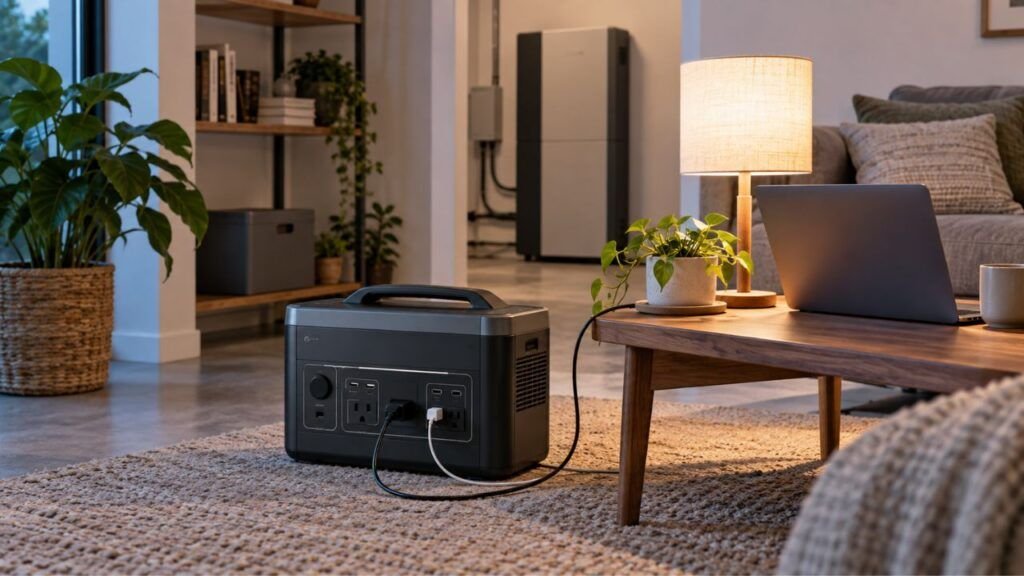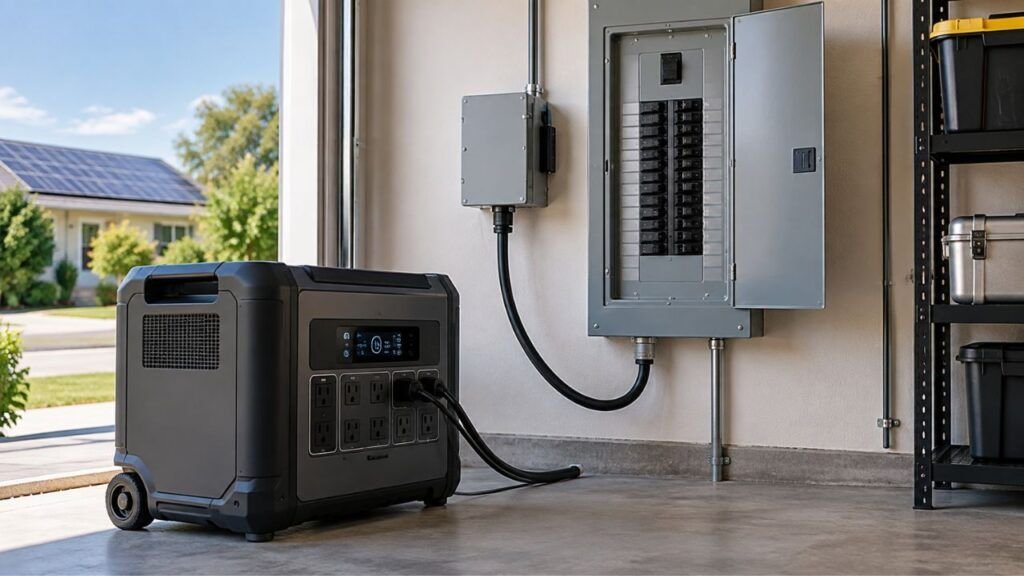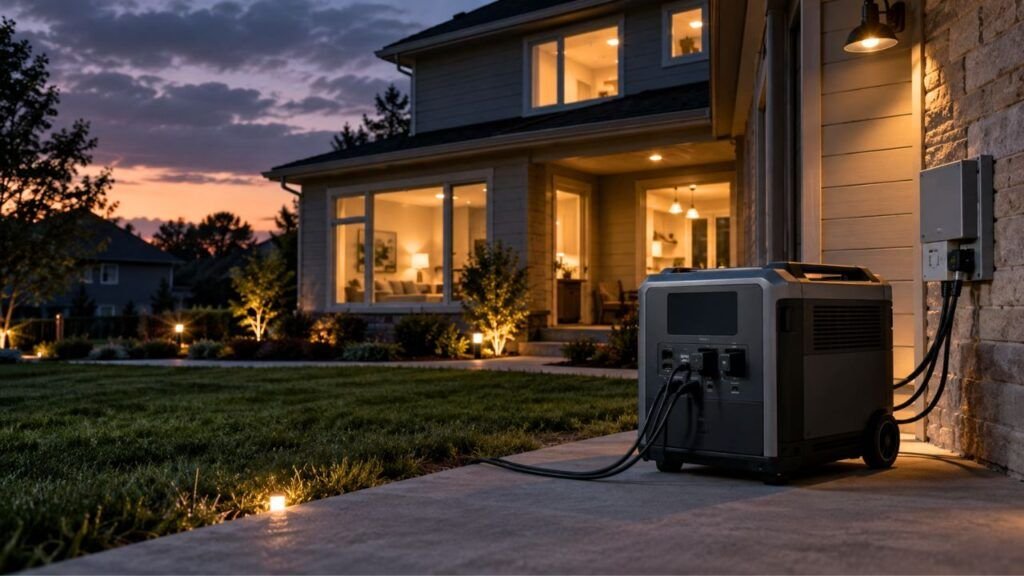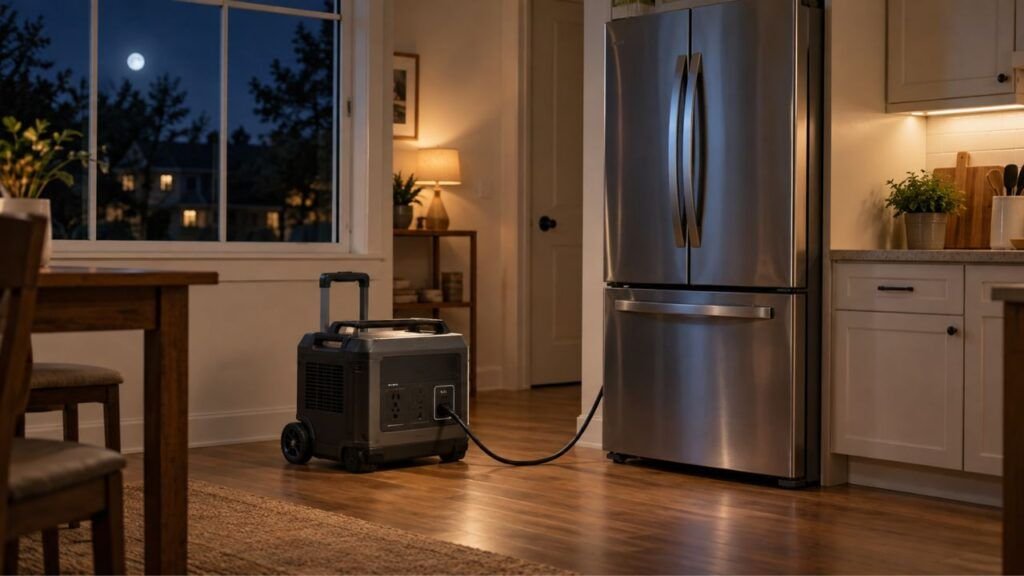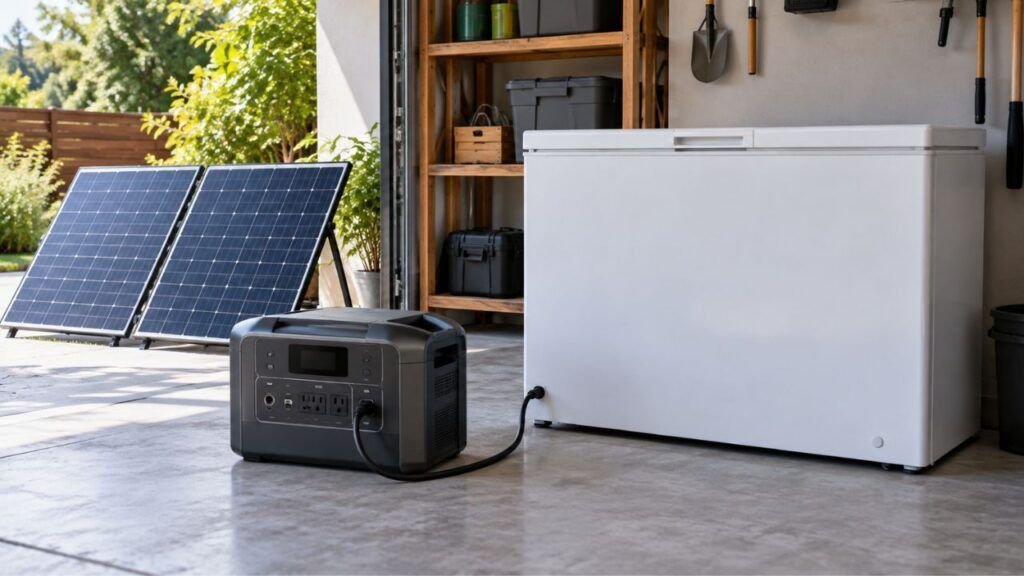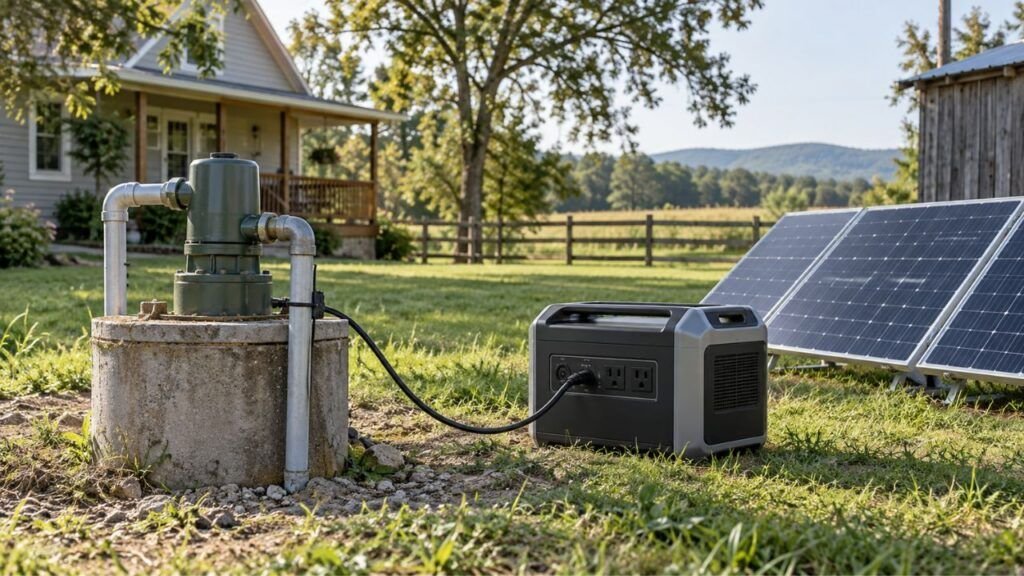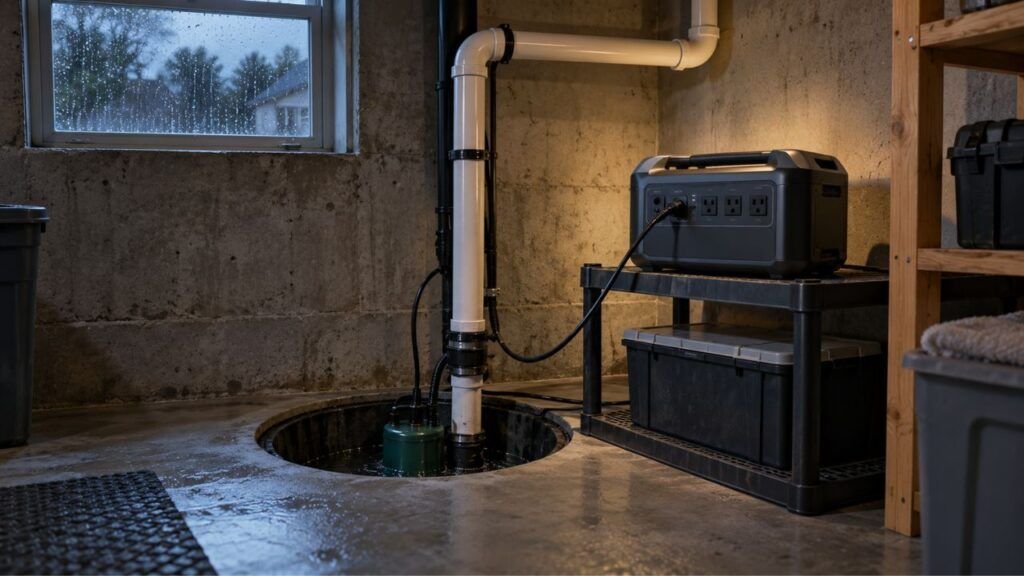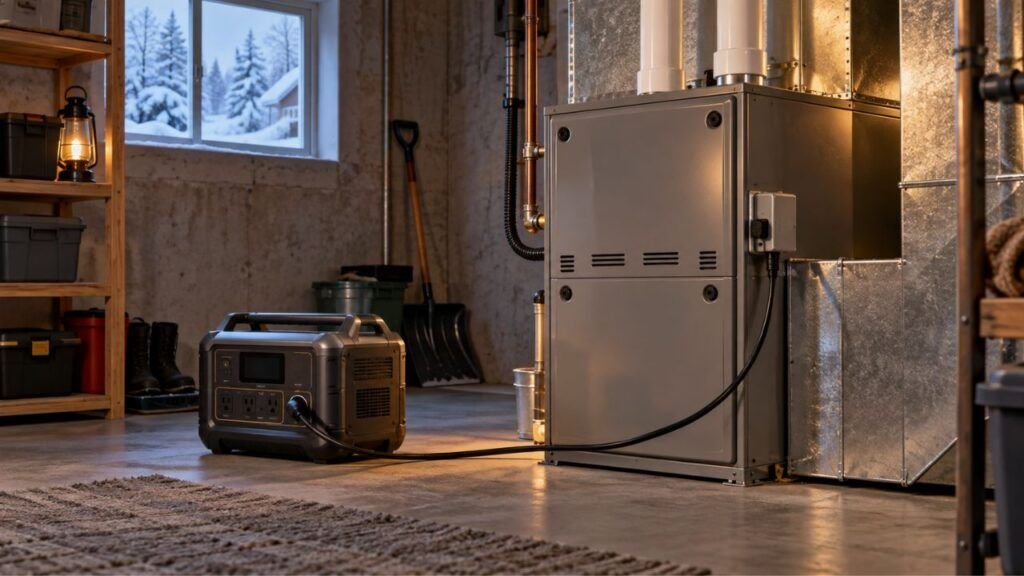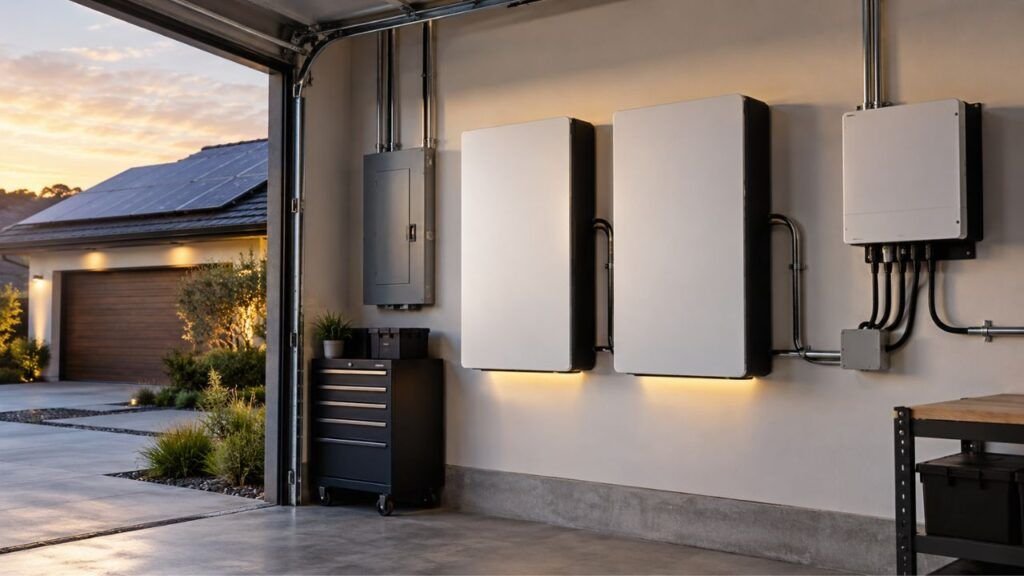
If you are looking for the best solar generators for power outages, you need enough battery power to keep your household essentials running. A reliable solar generator can power refrigerators, lights, and electronics when unexpected blackouts leave you without electricity.
The Jackery Explorer 2000 v2 offers balanced home backup, while the BLUETTI Solar Generator Elite 400 suits extended outages. The Anker SOLIX C2000 Gen 2 works well for refrigerator backup, and the Jackery HomePower 3000 handles demanding household appliances. For expandable home power, the GROWATT HELIOS 3600 is worth considering.
After testing the top solar generators for power outages, we’ve focused this guide on battery capacity, appliance compatibility, charging performance, and practical backup features. You’ll find detailed comparisons to help you choose the right emergency power solution for your home.
We’re reader-supported. When you buy through links on our site, we may earn an affiliate commission. As an Amazon Associate, we earn from qualifying purchases at no extra cost to you.
Best Solar Generators for Power Outages: Our Top Picks
- Best Overall: Jackery Explorer 2000 v2
- Best for Extended Outages: BLUETTI Solar Generator Elite 400
- Best for Refrigerator Backup: Anker SOLIX C2000 Gen 2
- Best for Home Electronics: EF ECOFLOW DELTA 3 MAX
- Best for Home Backup: Jackery HomePower 3000
- Best Compact 3kWh Option: BLUETTI Solar Generator Elite 300
- Best Expandable Option: PECRON Portable Power Station
- Best for Whole-Home Expansion: GROWATT HELIOS 3600 Portable Power Station
- Best for Short Outages: OUPES Mega 1 Solar Generator
- Best for 120V/240V Backup: BLUETTI Apex 300 Portable Power Station
- Best for Fast Charging: DJI Power 2000 Portable Power Station
- Best for Multiple Appliances: PowerMax 3600SE 3600W Portable Power Station
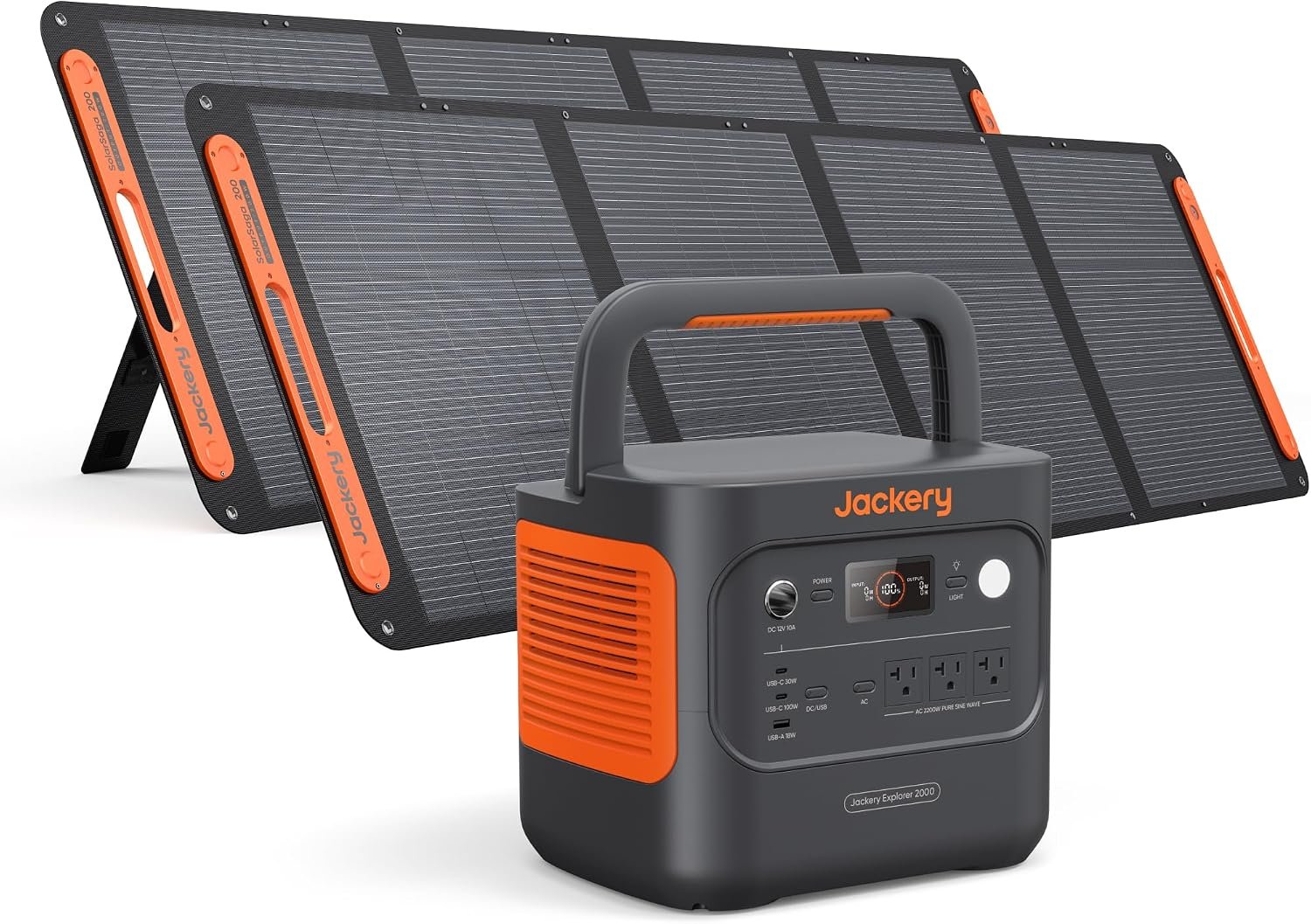
1. Best Overall: Jackery Explorer 2000 v2
Key Details:
- Battery Capacity: 2,042Wh LiFePO4 battery.
- Power Output: 2,200W continuous AC output.
- Solar Panels: Two 200W solar panels included.
- Charging Speed: Full AC recharge in as little as 102 minutes.
- Backup Features: Three AC outlets and 20ms UPS switchover.
If you’re preparing for unexpected blackouts, the Jackery Explorer 2000 v2 is a practical solar generator for power outages. Its 2,042Wh battery and 2,200W output can handle refrigerators, lights, Wi-Fi routers, and other essential household appliances.
What we like most is its portable design. The power station weighs just 39.5 pounds, making it easier to move between rooms. Its LiFePO4 battery and compact Cell-to-Body construction also make it suitable for regular home backup.
When electricity goes out, the Jackery Explorer 2000 v2 offers several charging options. Its Emergency Super Charging mode provides a full recharge in 102 minutes. The included 400W solar panels can also recharge the battery in approximately six hours under favorable sunlight.
In our opinion, its 20ms UPS switchover is another helpful feature for compatible electronics. You also get three AC outlets and a 100W USB-C port. However, running multiple high-wattage appliances will drain the battery considerably faster.
Pros:
- The 2,200W output supports essential household appliances.
- Two 200W solar panels are included for emergency charging.
- Its lightweight design makes moving and storage easier.
- Fast AC charging and UPS functionality improve backup convenience.
Cons:
- Battery capacity is limited for extended whole-home backup.
- Solar charging takes longer during cloudy weather.
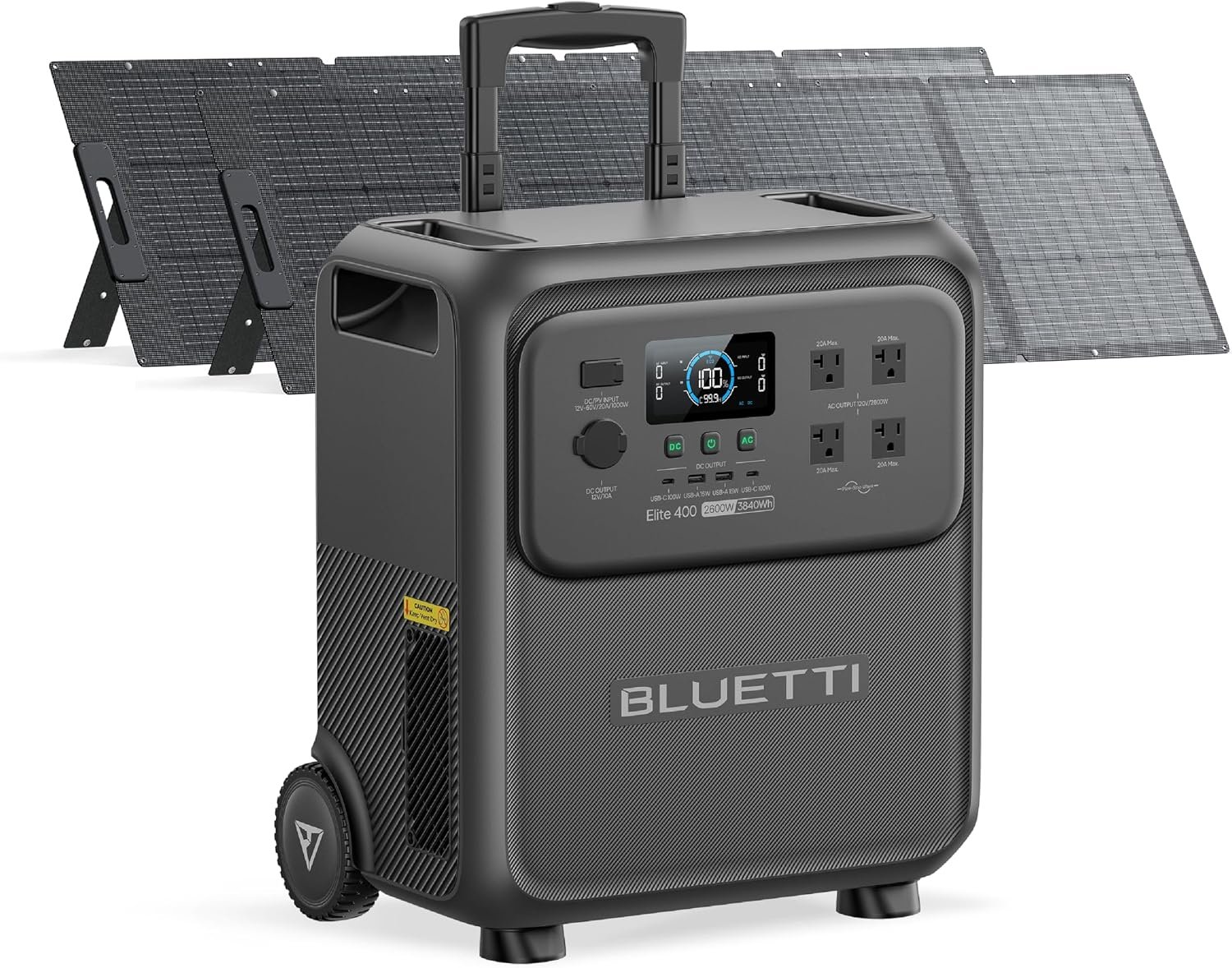
2. Best for Extended Outages: BLUETTI Solar Generator Elite 400
Key Details:
- Battery Capacity: 3,840Wh LiFePO4 battery.
- Power Output: 2,600W continuous AC output.
- Solar Panels: Two 200W solar panels included.
- Battery Lifespan: Rated for over 3,000 charging cycles.
- Backup Features: Nine output ports and 15ms UPS switchover.
The BLUETTI Elite 400 is worth considering when you need emergency backup power for longer blackouts. Its large 3,840Wh LiFePO4 battery provides substantial energy storage for refrigerators, lighting, internet equipment, and other household essentials.
With 2,600W continuous output, you can operate multiple appliances within the system’s power limits. We particularly like its 3,900W Power Lifting mode for certain demanding loads. However, this feature isn’t a substitute for unrestricted motor startup power.
Another advantage of the BLUETTI Elite 400 is its built-in trolley system. Although it weighs 86 pounds, the wheels make moving it around your home easier. Its 15ms UPS switchover also helps compatible electronics remain operational during sudden outages.
If you’re preparing for multi-day power failures, the included 400W solar setup adds useful recharging flexibility. A full solar recharge takes approximately 9.5–19 hours under the stated conditions. Its larger battery helps maintain overnight power when sunlight isn’t available.
Pros:
- The 3,840Wh battery supports longer emergency backup periods.
- Its 2,600W output handles multiple household appliances.
- Built-in wheels make moving the power station easier.
- Included solar panels provide an alternative charging source.
Cons:
- Its 86-pound weight makes lifting difficult.
- The included panels require considerable time for a full recharge.
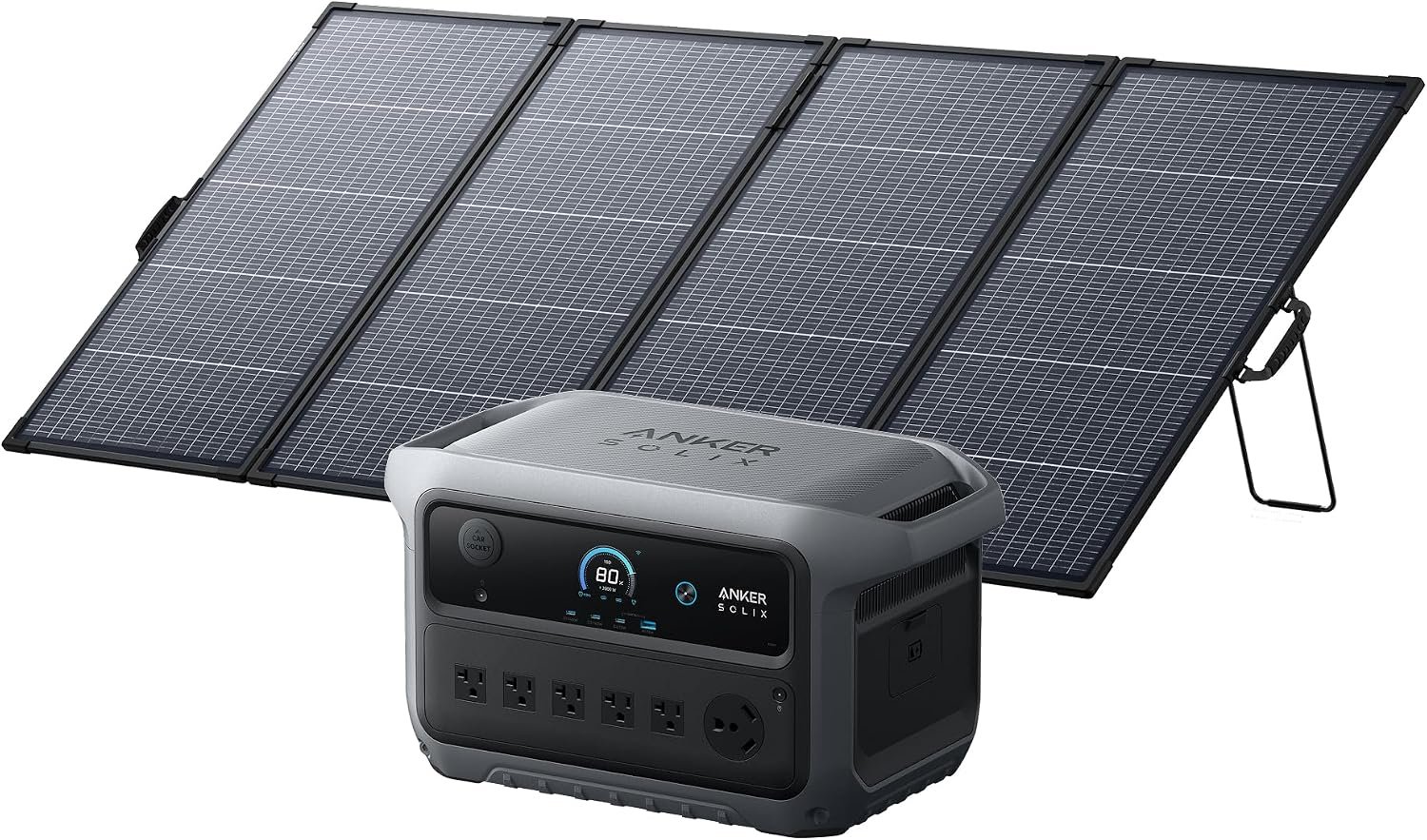
3. Best for Refrigerator Backup: Anker SOLIX C2000 Gen 2
Key Details:
- Battery Capacity: 2,048Wh, expandable to approximately 4kWh.
- Power Output: 2,400W continuous and 4,000W peak.
- Solar Panel: One 400W bifacial solar panel included.
- Charging Speed: Full AC recharge in as little as 58 minutes.
- Weight: Approximately 45.5 pounds for the power station.
Keeping food refrigerated during a blackout becomes easier with the Anker SOLIX C2000 Gen 2. Its 2,048Wh battery and 2,400W output can power refrigerators, freezers, and essential home electronics. Anker estimates up to 32 hours for a dual-door refrigerator under its stated conditions.
What makes this portable solar generator interesting is its expandable capacity. You can add a compatible battery to reach approximately 4kWh. This can extend refrigerator backup to around 64 hours, depending on electricity consumption and compressor cycles.
The Anker SOLIX C2000 Gen 2 also offers impressive charging flexibility. Its fast AC charging can fully replenish the battery in 58 minutes. We also like the included 400W bifacial solar panel, which can capture reflected sunlight from its rear surface.
If you’re concerned about refrigerator startup demands, the 4,000W peak output provides useful headroom. However, the base battery still requires careful energy management during prolonged outages. Adding extra storage makes more sense when you need several days of backup.
Pros:
- Its 2,400W output supports refrigerators and household electronics.
- Expandable battery capacity provides longer backup runtime.
- The 400W bifacial panel supports efficient solar charging.
- Fast AC charging restores battery power quickly.
Cons:
- The standard 2,048Wh battery has limited extended runtime.
- Expanding the battery capacity requires an additional purchase.
4. Best for Home Electronics: EF ECOFLOW DELTA 3 MAX
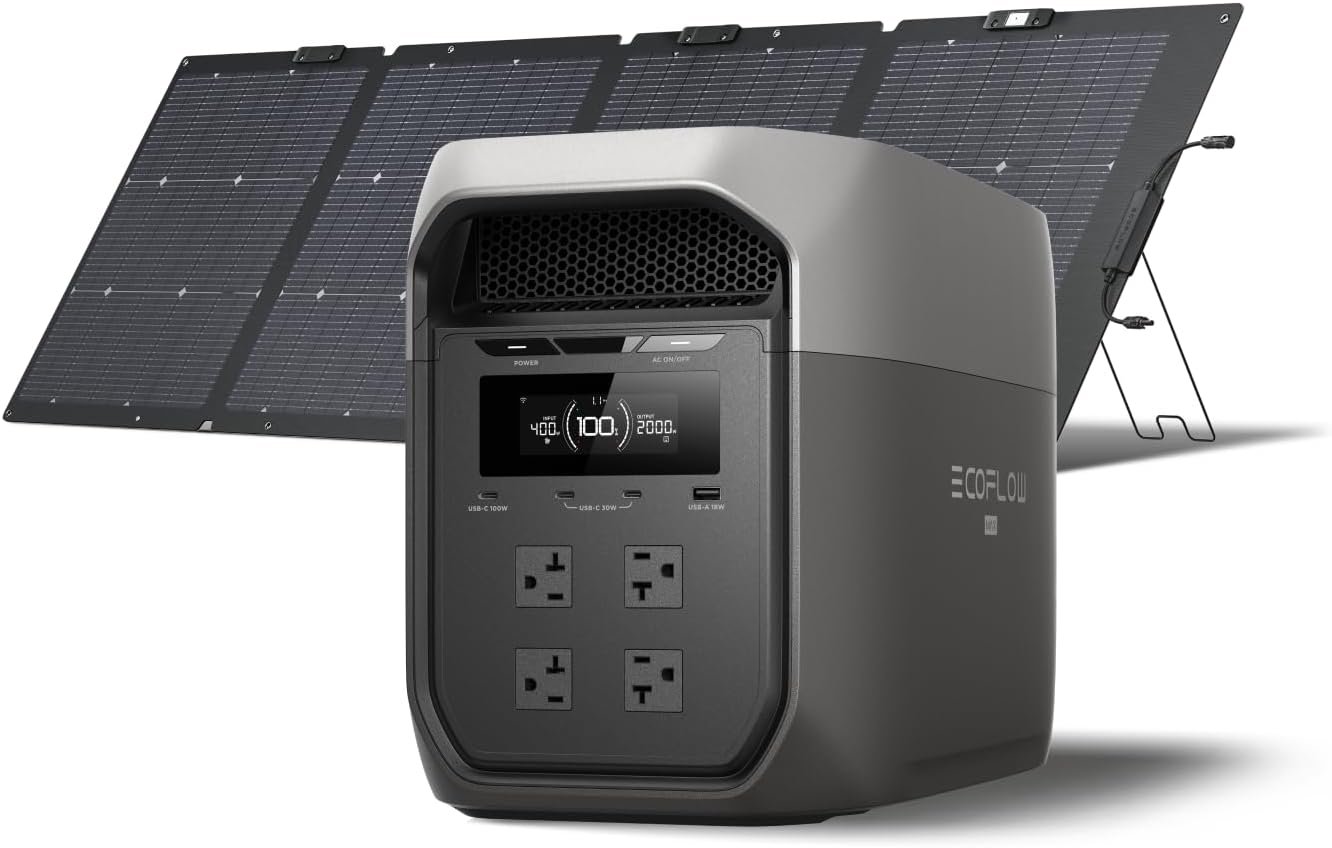
Key Details:
- Battery Capacity: 2,048Wh LiFePO4 battery.
- Power Output: 2,400W continuous AC output.
- Solar Panel: One 220W solar panel included.
- Charging Speed: 0–80% in approximately 1.13 hours.
- Backup Features: Under 10ms transfer time and smart app control.
For households that rely on computers and connected devices, the EcoFlow DELTA 3 Max offers convenient backup power during electricity outages. Its 2,048Wh battery and 2,400W output can support desktop computers, Wi-Fi routers, televisions, and selected kitchen appliances.
One feature we particularly appreciate is its transfer time of less than 10 milliseconds. When grid electricity fails, the system automatically switches to battery power. This helps compatible electronics remain operational, although sensitive equipment should be checked for UPS compatibility.
The EcoFlow DELTA 3 Max also supports fast AC charging through X-Stream technology. You can recharge its battery from 0–80% in approximately 1.13 hours. Its X-Boost mode can accommodate certain appliances rated up to 3,400W, subject to compatibility.
If you work from home, you’ll find the smart app useful for monitoring battery levels and electricity consumption. The included 220W solar panel provides off-grid charging during blackouts. However, its modest solar input means replenishing the battery can take considerable time.
Pros:
- The 2,400W output handles various essential household electronics.
- Its fast transfer time supports compatible sensitive devices.
- X-Stream technology allows quick AC battery recharging.
- Smart app controls simplify energy monitoring and management.
Cons:
- The included 220W solar panel limits recharging speed.
- Its 2,048Wh battery may require frequent recharging with heavy loads.
5. Best for Home Backup: Jackery HomePower 3000

Key Details:
- Battery Capacity: 3,072Wh LiFePO4 battery.
- Power Output: 3,600W continuous and 7,200W surge.
- Solar Panels: Two 200W solar panels included.
- Charging Speed: Full AC recharge in approximately 2.2 hours.
- Backup Features: ≤20ms UPS switchover and TT-30 RV outlet.
If you need reliable emergency electricity for household essentials, the Jackery HomePower 3000 is worth considering. Its 3,072Wh battery and 3,600W output can power refrigerators, fans, Wi-Fi routers, lights, and other important appliances during unexpected blackouts.
What we particularly like is its strong output and practical battery capacity. The 7,200W surge rating provides additional startup headroom for compatible appliances. Its LiFePO4 battery also supports 4,000 charging cycles while retaining approximately 70% capacity.
When electricity returns, the Jackery HomePower 3000 can fully recharge in approximately 2.2 hours using AC power. The included 400W solar panels can also restore 80% capacity in around nine hours under favorable conditions. Its ≤20ms UPS switchover helps keep compatible electronics operating during sudden outages.
In our opinion, this solar generator offers a useful balance of household backup power and charging flexibility. Its multiple AC, USB, and DC ports allow several devices to operate simultaneously. However, running high-wattage appliances continuously will reduce its available backup runtime.
Pros:
- The 3,600W output supports several essential household appliances.
- Its 7,200W surge capacity helps with demanding startup loads.
- Two 200W solar panels are included for emergency recharging.
- Fast AC charging and UPS functionality improve backup convenience.
Cons:
- Heavy appliance usage can quickly drain the 3,072Wh battery.
- The included panels require considerable sunlight for a full recharge.
6. Best Compact 3kWh Option: BLUETTI Solar Generator Elite 300

Key Details:
- Battery Capacity: 3,014.4Wh LiFePO4 battery.
- Power Output: 2,400W continuous and 4,800W surge.
- Solar Panels: Two 200W solar panels included.
- Battery Lifespan: Rated for over 6,000 charging cycles.
- Portability: Approximately 58 pounds with a compact design.
The BLUETTI Elite 300 is a practical solar generator for power outages when you need substantial battery storage without an oversized setup. Its 3,014.4Wh battery and 2,400W output can support refrigerators, televisions, lights, internet equipment, and other everyday household essentials.
One thing we like about the BLUETTI Elite 300 is its compact construction. Despite storing around 3kWh of energy, it weighs approximately 58 pounds. The LiFePO4 battery also offers more than 6,000 rated charging cycles, making it suitable for regular backup use.
When a storm interrupts electricity, you’ll find its flexible charging options helpful. The included 400W solar setup can fully recharge the battery in approximately 7–15 hours under suitable sunlight conditions. Its 4,800W surge rating also provides additional headroom for appliances with higher startup demands.
If you also own an RV or camper, the dedicated TT-30 outlet and 12V/30A DC port add versatility. For home emergencies, its battery capacity offers useful overnight backup for selected essentials. However, the 2,400W continuous output may limit how many demanding appliances can operate together.
Pros:
- The 3,014Wh battery provides substantial emergency energy storage.
- Its compact design makes transportation and storage more manageable.
- The 4,800W surge rating helps accommodate appliance startup loads.
- Included solar panels provide an alternative charging method.
Cons:
- The 2,400W output limits simultaneous high-power appliance use.
- Its 400W solar setup can take many hours to recharge the battery.
7. Best Expandable Option: PECRON Portable Power Station
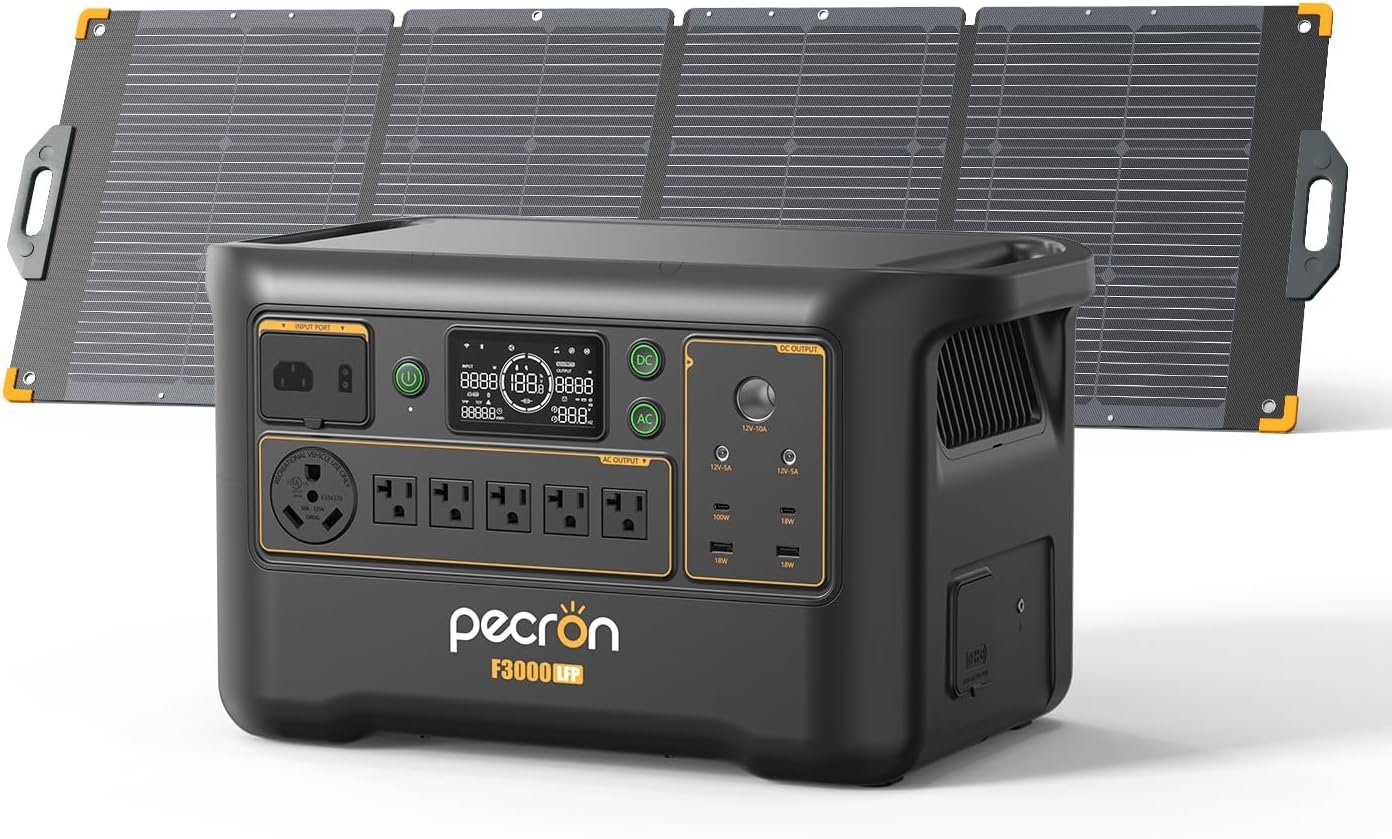
Key Details:
- Battery Capacity: 3,072Wh, expandable to 10,752Wh.
- Power Output: 3,600W pure sine wave AC output.
- Solar Panel: One 200W solar panel included.
- Charging Speed: Full AC recharge in approximately 2 hours.
- Backup Features: 13 output ports and 8–20ms UPS switchover.
If you’re preparing for longer electricity outages, the PECRON F3000LFP offers flexible backup power for household essentials. Its 3,072Wh LiFePO4 battery and 3,600W output can handle refrigerators, fans, lights, computers, and other appliances while supporting up to 13 connected devices.
What makes the PECRON F3000LFP particularly interesting is its expandable battery storage. You can increase capacity to 10,752Wh using compatible expansion batteries. We like this flexibility because additional storage can extend backup runtime without replacing the entire power station.
Charging performance is another useful advantage during emergency situations. With up to 1,800W AC input, the battery can fully recharge in approximately two hours. It also supports up to 1,600W solar input, although the included 200W panel will recharge the large battery much more slowly.
In our view, this portable solar generator suits households planning for both short blackouts and extended power failures. Its pure sine wave inverter, multiple outlets, and UPS functionality make it versatile for everyday essentials. However, adding expansion batteries and more solar panels may be necessary for multi-day backup.
Pros:
- The 3,600W output handles various essential home appliances.
- Expandable battery capacity supports longer power outages.
- Its 13 output ports accommodate multiple connected devices.
- Fast AC charging and high solar input provide charging flexibility.
Cons:
- The included 200W solar panel offers relatively slow recharging.
- Additional battery storage and solar panels must be purchased separately.
8. Best for Whole-Home Expansion: GROWATT HELIOS 3600 Portable Power Station
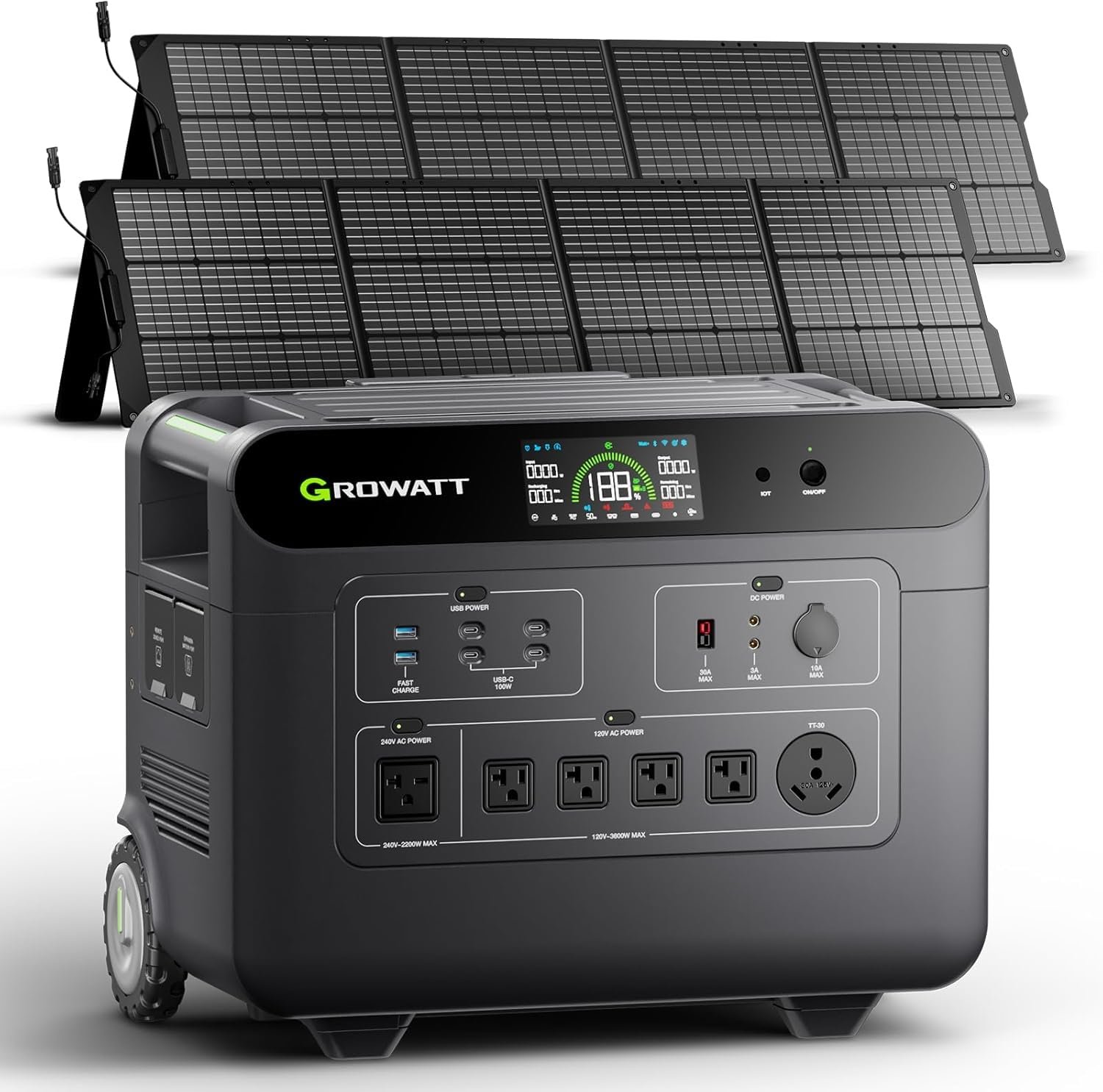
Key Details:
- Battery Capacity: 3,600Wh, expandable up to 36kWh.
- Power Output: 3,600W continuous AC output.
- Solar Panels: Two 200W solar panels included.
- Solar Charging: Supports up to 2,000W solar input.
- Backup Features: 15ms EPS switching and expandable 120V/240V setup.
The GROWATT HELIOS 3600 is designed for homeowners who want flexible solar backup during prolonged power outages. Its 3,600Wh LiFePO4 battery and 3,600W output can run refrigerators, lighting, essential electronics, and other selected household appliances when grid electricity fails.
What we particularly appreciate is its expandable power system. Two GROWATT HELIOS 3600 units can be configured for up to 7,200W output with 240V split-phase capability. Battery storage can also expand to 36kWh, making it suitable for larger home backup installations with compatible equipment.
When solar recharging becomes essential, its 2,000W maximum solar input provides room for additional panels. The included 400W solar setup gives you a starting point for off-grid charging. Its 15ms EPS switching and smart energy management features also improve convenience during unexpected blackouts.
If you’re planning to power selected household circuits, this system offers considerable expansion potential. However, at approximately 149 pounds, it isn’t particularly easy to move. Whole-home integration also requires appropriate electrical equipment and professional installation rather than simply plugging the unit into household wiring.
Pros:
- Its 3,600W output supports demanding household essentials.
- Expandable storage of up to 36kWh suits extended outages.
- Two-unit configurations support 240V split-phase backup power.
- High solar input capacity allows faster recharging with additional panels.
Cons:
- Its 149-pound weight significantly limits portability.
- Larger home backup configurations require additional equipment and installation.
9. Best for Short Outages: OUPES Mega 1 Solar Generator
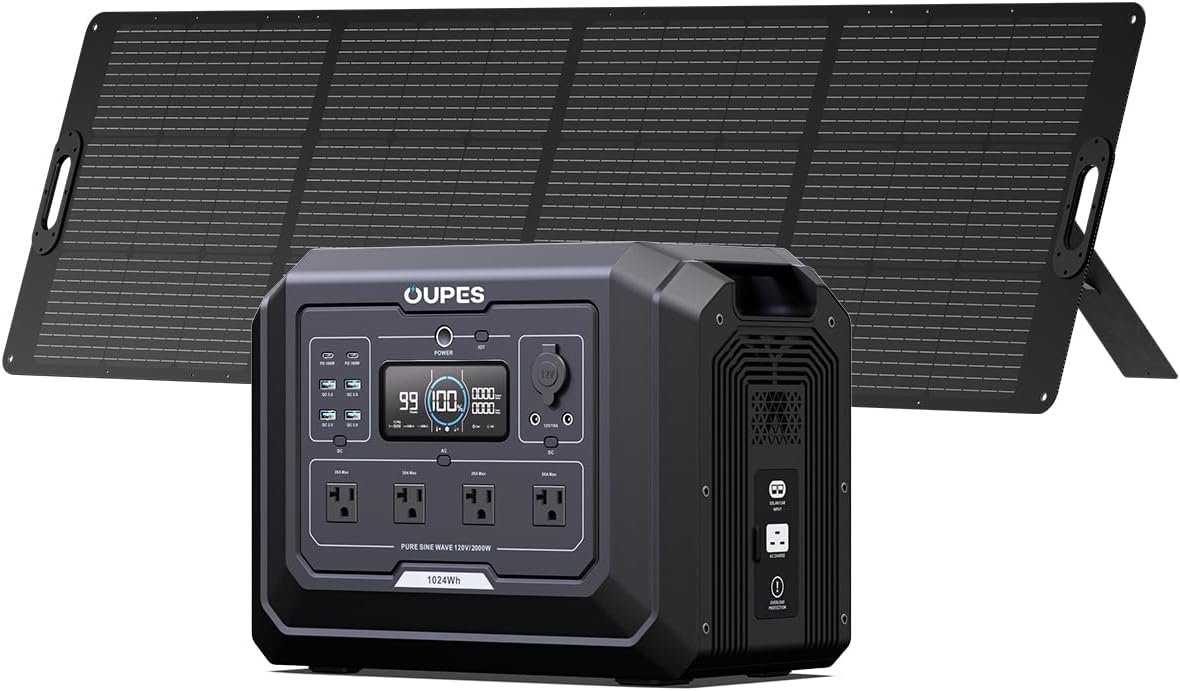
Key Details:
- Battery Capacity: 1,024Wh LiFePO4 battery, expandable to 5,120Wh.
- Power Output: 2,000W continuous AC output.
- Solar Panel: One 240W solar panel included.
- Charging Speed: Up to 2,200W combined AC and solar input.
- Backup Features: Under 20ms UPS switchover and smart app control.
If you need an affordable solar generator for short power outages, the OUPES Mega 1 offers a practical solution. Its 1,024Wh LiFePO4 battery and 2,000W output can power refrigerators, Wi-Fi routers, lights, and other household essentials during temporary blackouts.
What we like about this portable power station is its compact design. At just 27.8 pounds, it’s easy to move around the house. You can also expand its battery capacity to 5,120Wh with compatible batteries when longer emergency backup becomes necessary.
The OUPES Mega 1 includes a 240W solar panel that can recharge its battery in approximately 5–8 hours under favorable sunlight. Its 800W maximum solar input also allows faster charging with additional compatible panels. The under 20ms UPS function helps compatible electronics stay operational during sudden electricity interruptions.
In our opinion, this solar generator makes sense for smaller homes, apartments, and occasional outages. Its 2,000W output handles various appliances, but the standard 1,024Wh battery can drain quickly under heavy loads. Keeping electricity consumption low will help extend backup runtime.
Pros:
- The 2,000W output supports various essential household appliances.
- Its lightweight design makes transportation and storage convenient.
- Expandable battery capacity provides flexibility for longer outages.
- The included 240W panel supports emergency solar recharging.
Cons:
- The 1,024Wh battery offers limited runtime during extended blackouts.
- Additional batteries are necessary for larger backup requirements.
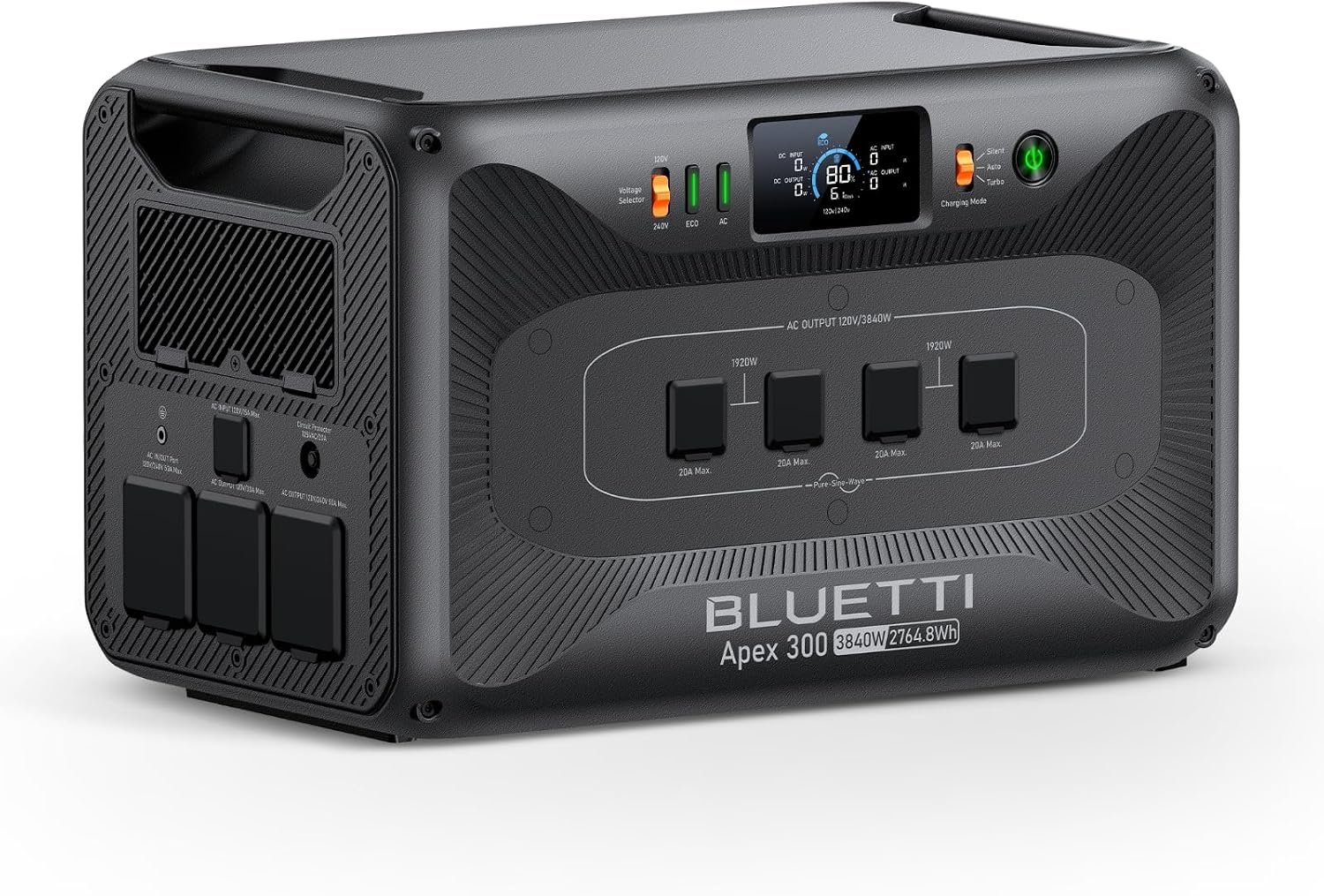
10. Best for 120V/240V Backup: BLUETTI Apex 300 Portable Power Station
Key Details:
- Battery Capacity: 2,764.8Wh LiFePO4 battery.
- Power Output: 3,840W continuous and 7,680W lifting power.
- Voltage Support: Selectable 120V and 240V AC output.
- Battery Lifespan: Rated for over 6,000 charging cycles.
- Backup Features: UPS functionality, smart app control, and expandable storage.
The BLUETTI Apex 300 is a powerful solar generator for outages when standard portable batteries cannot meet your household requirements. Its 2,764.8Wh battery and 3,840W AC output can support refrigerators, kitchen appliances, lighting, and other essential electrical loads.
One feature we particularly appreciate is its selectable 120V and 240V output. This gives you more flexibility when powering compatible household equipment. The 7,680W lifting capability also helps with certain demanding appliances, although actual startup compatibility depends on the connected load.
When longer backup becomes necessary, the BLUETTI Apex 300 supports compatible B300K and B500K expansion batteries. Its LiFePO4 battery is rated for more than 6,000 charging cycles. You can also recharge through AC power, compatible solar equipment, or supported vehicle charging accessories.
If you’re planning a more advanced emergency backup system, this model offers useful expansion possibilities. Its UPS functionality can also help maintain power to compatible electronics. However, solar panels aren’t included, and supplying household circuits requires suitable integration equipment and proper electrical installation.
Pros:
- Its 3,840W output handles demanding household appliances.
- Selectable 120V/240V output adds flexibility for backup applications.
- Expandable battery storage supports longer emergency power needs.
- Multiple charging methods improve preparedness during extended outages.
Cons:
- Solar panels and certain expansion accessories require separate purchases.
- Its 2,764.8Wh base battery may be insufficient for sustained heavy loads.
11. Best for Fast Charging: DJI Power 2000 Portable Power Station

Key Details:
- Battery Capacity: 2,048Wh LiFePO4 battery.
- Power Output: 3,000W continuous AC output.
- Expandable Storage: Up to approximately 22.5kWh.
- Charging Speed: 0–80% in approximately 55 minutes via AC.
- Backup Features: 15 output ports and ≤10ms UPS switchover.
When you need to restore emergency power quickly, the DJI Power 2000 offers impressive charging performance. Its 2,048Wh LiFePO4 battery and 3,000W output can run refrigerators, televisions, internet routers, and other household appliances during unexpected power failures.
What makes this portable backup power station interesting is its fast AC charging. You can replenish 80% of the battery in approximately 55 minutes under the specified conditions. We also like its 15 output ports, which provide plenty of connections for household electronics and charging devices.
The DJI Power 2000 also supports expandable battery storage up to approximately 22.5kWh. This flexibility makes it useful for homeowners preparing for longer blackouts. Its ≤10ms UPS switchover can help compatible computers and network equipment remain operational when grid electricity suddenly fails.
If you want a high-output emergency battery generator, this model offers plenty of flexibility. It also supports solar and vehicle charging through compatible accessories. However, you’ll need a separate solar charging adapter and panels, while the standard 2kWh battery may require frequent recharging with heavy loads.
Pros:
- Its 3,000W output supports various demanding household appliances.
- Fast AC charging restores 80% capacity in approximately 55 minutes.
- Expandable battery storage supports extended emergency backup.
- Multiple output ports and UPS functionality improve everyday convenience.
Cons:
- Solar panels and a compatible solar charging adapter are sold separately.
- The standard 2,048Wh battery limits runtime under continuous heavy loads.
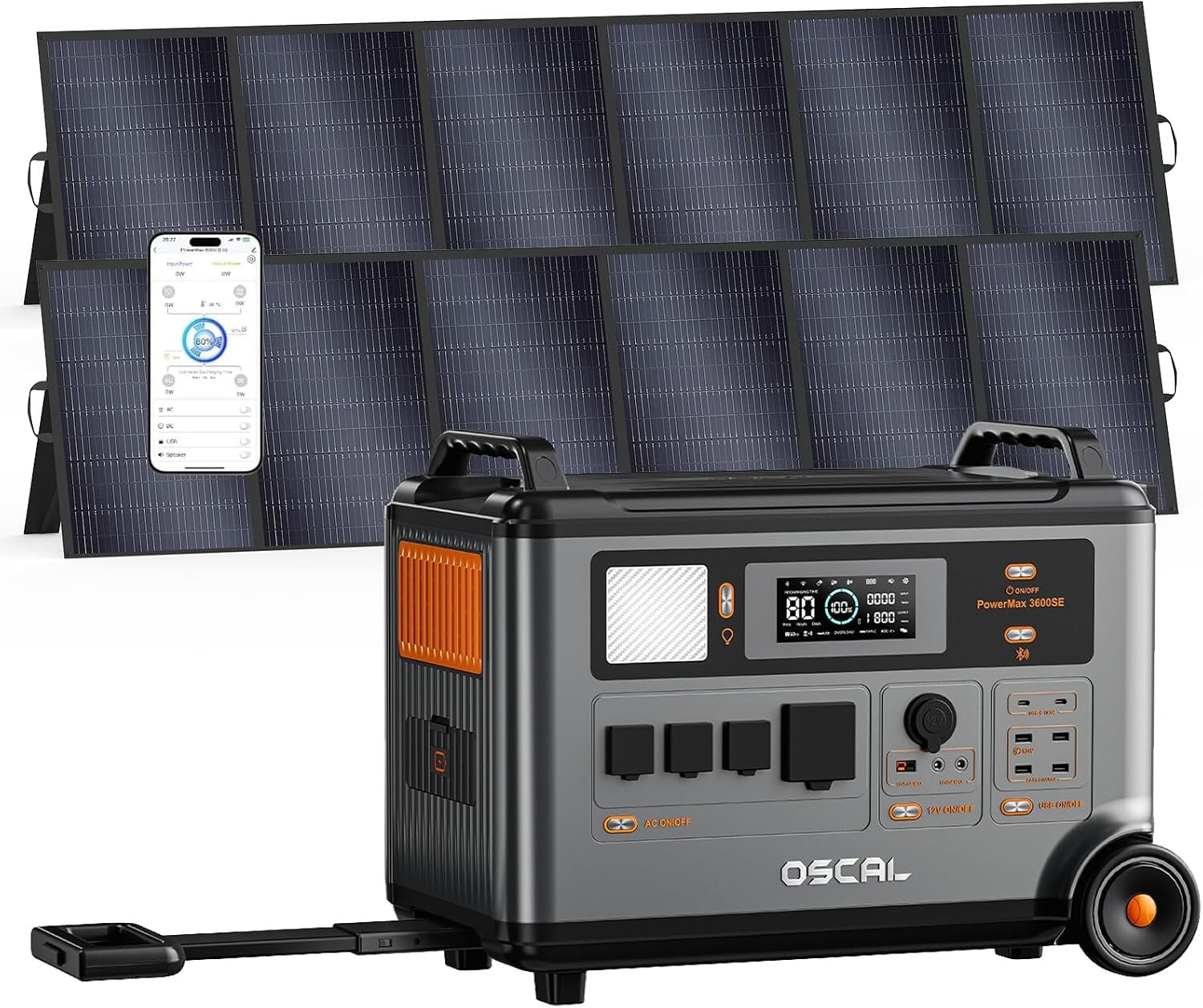
12. Best for Multiple Appliances: PowerMax 3600SE 3600W Portable Power Station
Key Details:
- Battery Capacity: 3,600Wh LiFePO4 battery.
- Power Output: 3,600W continuous and 7,200W surge.
- Charging Speed: Approximately 2.4 hours with supported combined charging.
- Output Connections: 14 ports, including four AC outlets.
- Backup Features: 5–8ms EPS switchover and smart app control.
The PowerMax 3600SE is worth considering if you need a solar generator for power outages that can operate several household appliances. Its 3,600Wh LiFePO4 battery and 3,600W continuous output provide enough power for refrigerators, fans, computers, televisions, and other essential devices within the system’s output limits.
What we like most is its selection of 14 output ports. You get four AC outlets alongside USB-C, USB-A, and DC connections. Its 7,200W surge rating also provides additional startup headroom for compatible appliances, making it useful when several electrical devices need backup power.
When emergency charging becomes necessary, the PowerMax 3600SE supports up to 1,800W AC input and 1,600W solar input. Combined charging can replenish the battery in approximately 2.4 hours under the stated conditions. Its advertised 5–8ms EPS switchover can also help compatible electronics continue operating during sudden blackouts.
In our opinion, this portable solar generator offers a useful combination of battery capacity, output power, and connectivity. The smartphone app also helps monitor battery levels, power consumption, and remaining runtime. However, solar panels aren’t included, so you’ll need compatible panels to use solar recharging during extended outages.
Pros:
- The 3,600Wh battery provides substantial emergency backup capacity.
- Its 3,600W output supports multiple household appliances.
- Four AC outlets and 14 total ports offer flexible connectivity.
- Fast combined charging and EPS functionality improve backup convenience.
Cons:
- Solar panels must be purchased separately.
- Continuous high-wattage usage can significantly shorten battery runtime.
What Is a Solar Generator for Power Outages?
A solar generator for power outages is a battery-powered system that keeps essential appliances running when grid electricity fails. It stores electricity in a rechargeable battery and delivers power through AC, USB, and DC outlets. When a blackout happens, you can use it to run your refrigerator, lights, Wi-Fi router, and other household devices.
Unlike traditional gas generators, solar generators don’t burn fuel or produce exhaust fumes. Most modern models use LiFePO4 batteries, which offer longer cycle life and better thermal stability. You can recharge them using solar panels, wall outlets, or compatible vehicle chargers.
If power outages are common in your area, having one at home can make things much easier. Just remember that the backup duration depends on battery capacity, appliance consumption, and how much solar energy you can collect.
What Can a Solar Generator Power During an Outage?
You might be surprised by how many household appliances a portable solar generator can run. However, some devices consume far more electricity than others. Before connecting anything, check its running wattage and startup power requirements.
Here’s a quick comparison of common appliances you might need during a blackout.
| Household Appliance | Typical Running Watts | Backup Considerations |
| Refrigerator | 100 to 250W | Needs additional startup power |
| Wi-Fi Router | 5 to 20W | Uses relatively little electricity |
| LED Light | 5 to 15W | Suitable for extended backup |
| Television | 50 to 150W | Depends on screen size |
| Laptop | 40 to 100W | Easy to support with most systems |
| CPAP Machine | 30 to 100W | Humidifier settings affect runtime |
| Electric Fan | 30 to 100W | Useful for overnight operation |
| Microwave | 1,000 to 1,800W | Requires higher AC output |
| Sump Pump | 400 to 1,500W | Motor startup surge matters |
| Window Air Conditioner | 500 to 1,800W | Can drain batteries quickly |
These are approximate running wattages. Actual power consumption depends on the appliance model, settings, and usage.
How to Choose the Best Solar Generator for Power Outages
Not every household needs a massive solar generator. If you only want to keep your refrigerator and internet running, your requirements will differ from someone powering several rooms. Here are the main things worth checking before buying an emergency backup power station.
Battery Capacity and Energy Storage
Think of battery capacity as the amount of electricity you have available during a blackout. It’s measured in watt-hours (Wh), and higher capacity generally means longer backup runtime.
For phones, lights, and internet equipment, a 1,000Wh model might be enough. If you also want to run a refrigerator and fans, consider a 2,000Wh to 3,000Wh system.
For frequent or multi-day outages, larger batteries or expandable storage make more sense. Remember, actual runtime depends on how much electricity your appliances consume.
Continuous Output and Starting Wattage
Battery capacity isn’t everything. You also need enough output power to operate your appliances safely.
For example, a 2,000W solar generator can support several devices if their combined running wattage stays below its rated output. However, refrigerators, air conditioners, and sump pumps often need extra power when their motors start.
That’s why checking both continuous output and surge ratings matters. A generator with adequate startup capacity is less likely to shut down when demanding appliances turn on.
Solar Charging Capacity and Panel Compatibility
Imagine losing electricity for two days. Your battery might handle the first night, but how will you recharge it the next morning?
That’s where solar charging becomes important. A generator supporting 1,000W solar input can potentially recharge much faster than one limited to 200W, assuming compatible panels and enough sunlight.
Also, check whether solar panels are included. Some power stations require separate panels and charging adapters.
Battery Chemistry and Lifespan
Most modern home backup solar generators use lithium iron phosphate, also called LiFePO4 or LFP batteries.
These batteries offer good thermal stability and can handle thousands of charging cycles. That makes them suitable for emergency backup and regular household use.
Still, battery lifespan varies between models. Look at the rated charging cycles, remaining capacity after those cycles, and the protection offered by the battery management system.
AC Charging Speed and Alternative Charging Options
Fast charging can be surprisingly useful when power returns for only a few hours.
Some portable power stations can fully recharge in around two hours using supported AC charging modes. Others take considerably longer.
We recommend looking for multiple charging methods, including wall outlets, solar panels, and vehicle charging. Having more options helps when sunlight is limited or outages continue for several days.
UPS Functionality and Transfer Time
If you work from home, you probably don’t want your computer or internet connection shutting down every time electricity flickers.
A solar generator with UPS or EPS functionality automatically switches to battery power during an outage. Some systems offer transfer times below 10 milliseconds, while others take around 20 milliseconds.
However, not every device can tolerate these interruptions. Check compatibility before relying on this feature for sensitive electronics or medical equipment.
Power Outlets and Appliance Compatibility
Before choosing a solar generator, count how many appliances you want to connect simultaneously.
Most portable power stations include AC outlets, USB-C ports, USB-A ports, and DC connections. These are useful when charging phones, laptops, and running household appliances together.
Also, pay attention to voltage. Many portable models supply 120V power, while certain larger systems support 240V equipment through compatible configurations.
Expandable Battery Storage
What happens if your backup needs increase later? An expandable solar generator lets you add compatible battery packs without replacing the main unit.
For example, a 2,000Wh system might expand to 4,000Wh or more. That additional energy can make a noticeable difference during overnight and multi-day blackouts.
However, expansion batteries don’t always increase AC output. Make sure the inverter can handle the appliances you plan to use.
Portability, Weight, and Storage Space
A portable solar generator should be manageable when you need to move it.
Smaller models often weigh around 25 to 50 pounds, while high-capacity systems can exceed 100 pounds. If you regularly move your backup station between rooms, handles and built-in wheels are worth considering.
For a permanent home backup location, capacity and output may matter more than weight.
Safety Features and Build Quality
Electrical safety should never be overlooked, especially during storms and extended blackouts.
Look for a battery management system that protects against overheating, overcharging, short circuits, and excessive discharge. Independent safety certifications and clear operating instructions are also important.
If you plan to use the generator in a garage or near an outdoor charging setup, check its operating temperature range and moisture protection.
Price and Overall Value
It’s tempting to choose the largest solar generator available, but that doesn’t always make sense.
If your main concern is refrigerator backup, you might get more practical value from a moderate-capacity system with efficient charging. For larger household loads, stronger output and expandable batteries become more important.
Compare what you actually receive, including battery capacity, output wattage, charging equipment, solar panels, and expansion compatibility.
How Long Will a Solar Generator Last During a Power Outage?
A solar generator can keep appliances running for a few hours or several days, depending on its battery capacity and electricity consumption. For instance, a 3,000Wh system generally lasts longer than a 1,000Wh model when powering the same devices. However, using multiple appliances simultaneously will shorten the available runtime.
Here’s a simple example. A 2,048Wh solar generator could power a constant 100W load for approximately 17 hours, assuming 85% usable efficiency. Increase that load to 500W, and runtime drops to around 3.5 hours. Refrigerators are different because their compressors cycle on and off, so actual runtime depends on average energy consumption.
If you’re preparing for a longer blackout, consider how you’ll recharge the battery. Solar panels can replenish energy during daylight, but cloudy weather and limited sunlight can slow things down. Reducing unnecessary electricity use and adding compatible expansion batteries can help you stay powered longer.
How to Safely Use a Solar Generator for Home Backup
Solar generators are convenient for indoor backup because they don’t produce combustion exhaust. Still, they contain powerful batteries and electrical components, so proper handling matters. A few simple precautions can help prevent problems during an emergency.
- Choose a safe location. Place your solar generator on a stable surface in a dry, ventilated area away from excessive heat.
- Check appliance wattage. Make sure your connected devices don’t exceed the generator’s continuous output or startup surge limits.
- Keep electrical connections dry. Never expose non-weatherproof outlets, cables, or charging equipment to rain or standing water.
- Use compatible solar panels. Follow the manufacturer’s voltage and current limits when connecting solar charging equipment.
- Avoid unsafe household connections. Never plug a generator into a regular wall outlet to backfeed electricity into your home.
- Install proper transfer equipment. If you want to power household circuits, use compatible equipment installed by a qualified electrician.
- Check UPS compatibility. Confirm that computers and sensitive devices can tolerate the generator’s transfer time. Use approved backup arrangements for critical medical equipment.
- Monitor operating temperatures. Avoid charging or storing the battery outside the manufacturer’s recommended temperature range.
Maintaining a Solar Generator for Emergency Preparedness
The last thing you want is to discover an empty or malfunctioning battery when a storm knocks out electricity. Fortunately, solar generators generally need less maintenance than fuel-powered models. A little preparation can keep your backup system ready when you need it.
- Check battery levels regularly. Follow the manufacturer’s storage charge recommendations so the battery doesn’t remain deeply discharged.
- Test the generator occasionally. Run a few suitable appliances to confirm the outlets, display, and charging functions work properly.
- Inspect charging cables. Look for damaged insulation, loose connections, or unusual heating before connecting equipment.
- Clean your solar panels. Remove accumulated dirt and debris using manufacturer-approved cleaning methods.
- Store the unit properly. Keep it in a cool, dry area protected from moisture and excessive temperatures.
- Keep software updated. Install compatible firmware updates when recommended by the manufacturer.
- Monitor battery performance. Watch for unusual shutdowns, charging problems, or noticeably reduced runtime.
- Prepare before storms. Recharge the battery, inspect the panels, and check that essential appliances can be connected safely.
Final Words
Power outages become much easier to manage when you have electricity for the things that matter most. Whether it’s keeping food refrigerated, staying connected to the internet, or powering essential lights, a properly sized solar generator can provide useful emergency backup without storing fuel.
Among the options covered, the Jackery Explorer 2000 v2 stands out for balanced household backup and portability. The BLUETTI Solar Generator Elite 400 offers more battery storage for extended blackouts, while the Jackery HomePower 3000 provides stronger output for demanding appliances.
Before making your choice, think about which appliances you can’t go without and how long you need them running. Match those requirements with the generator’s battery capacity, output, and charging options. That way, you’ll have a backup solution that suits your home.
Related FAQs
What Is the Best Solar Generator for a Power Outage?
The Jackery Explorer 2000 v2 is a strong overall option for household essentials. It provides a 2,042Wh battery, 2,200W output, and two included 200W solar panels.
Can a Solar Generator Power an Entire House During an Outage?
Yes, but you’ll need a properly sized system with sufficient output, battery storage, and suitable electrical integration. Smaller portable models are better for selected household appliances.
What Size Solar Generator Do I Need for Power Outages?
For lights, phones, and internet equipment, around 1,000Wh may be enough. Consider 2,000Wh to 4,000Wh or more if you also need refrigerator backup and longer runtime.
Can a Solar Generator Run a Refrigerator Overnight?
Yes. Many 2,000Wh solar generators can run an efficient refrigerator overnight. Actual runtime depends on its average energy consumption and compressor cycling.
How Long Will a 2000W Solar Generator Last?
A 2,000W rating tells you the maximum continuous output, not battery runtime. To estimate operating time, you need the battery capacity in Wh and the appliance’s average wattage.
Do Solar Generators Work Without Sunlight?
Yes. They use electricity already stored in their batteries, so you can operate them at night or during cloudy weather. Sunlight is only necessary for solar recharging.
Can You Use a Solar Generator While Charging It?
Many models support pass-through charging, which lets you power appliances while the battery recharges. Always check the manufacturer’s instructions and input/output limits.
Are Solar Generators Safe to Use Indoors?
Generally, yes. Battery-powered solar generators don’t produce exhaust fumes like gasoline generators. However, they still need suitable ventilation, dry surroundings, and proper electrical handling.
Can a Solar Generator Run an Air Conditioner?
Yes, if its running and surge output meet the air conditioner’s requirements. Just remember that air conditioners consume substantial energy and can drain batteries quickly.
Are Solar Generators Worth Buying for Emergency Home Backup?
If you experience occasional blackouts, a solar generator can be a useful investment. It provides quiet, rechargeable backup for refrigerators, lighting, internet equipment, and other essential devices.
How Many Solar Panels Do I Need for a Home Backup Generator?
That depends on your generator’s solar input limit and daily energy needs. Two 200W panels provide 400W of rated solar capacity, but actual charging output depends on sunlight and conditions.
Can a Solar Generator Last for Three Days?
Yes, if you have enough stored energy, low electricity demand, or regular solar recharging. For multiple appliances, expandable battery storage may be necessary.

Austin Parker writes practical generator how-to guides, troubleshooting advice, and buying guides for solar, portable, and fuel-powered generators. His focus is helping readers solve common power problems, understand their options, and choose dependable equipment for real-world use.