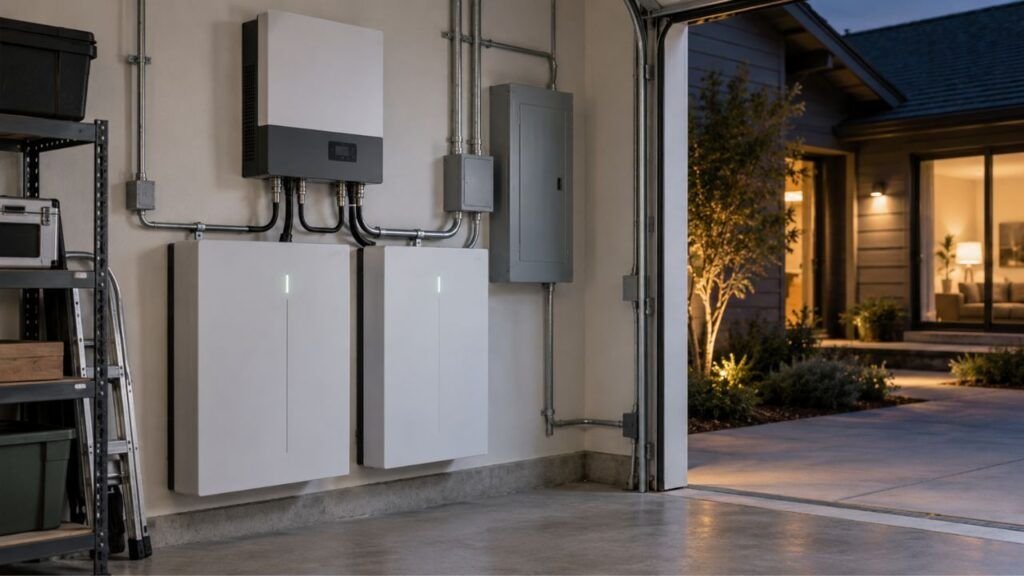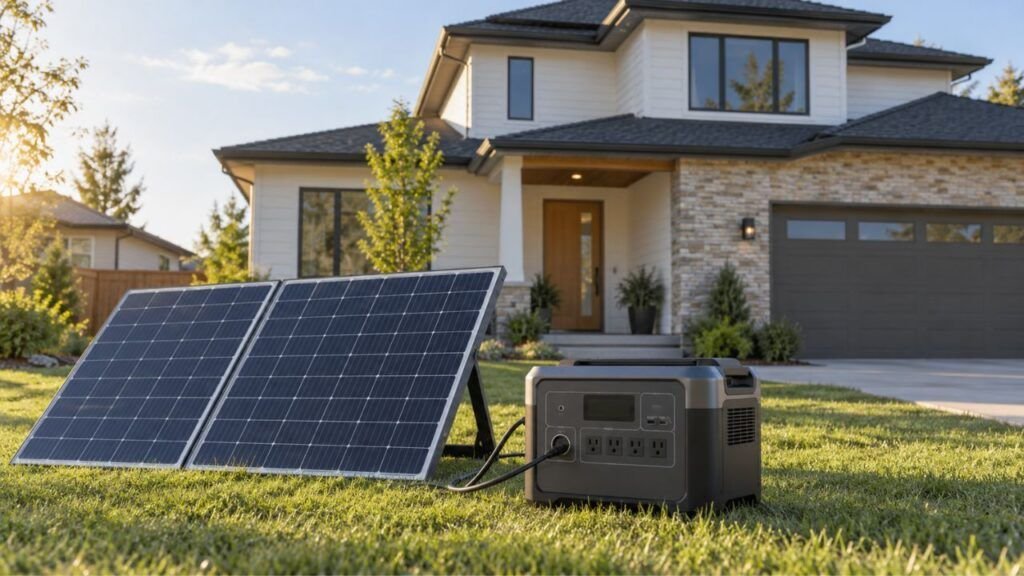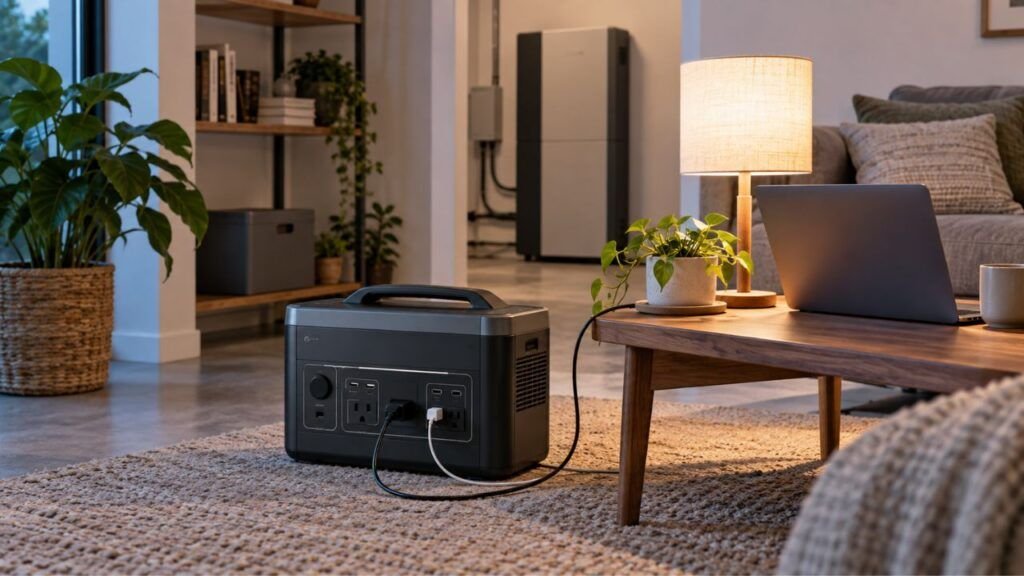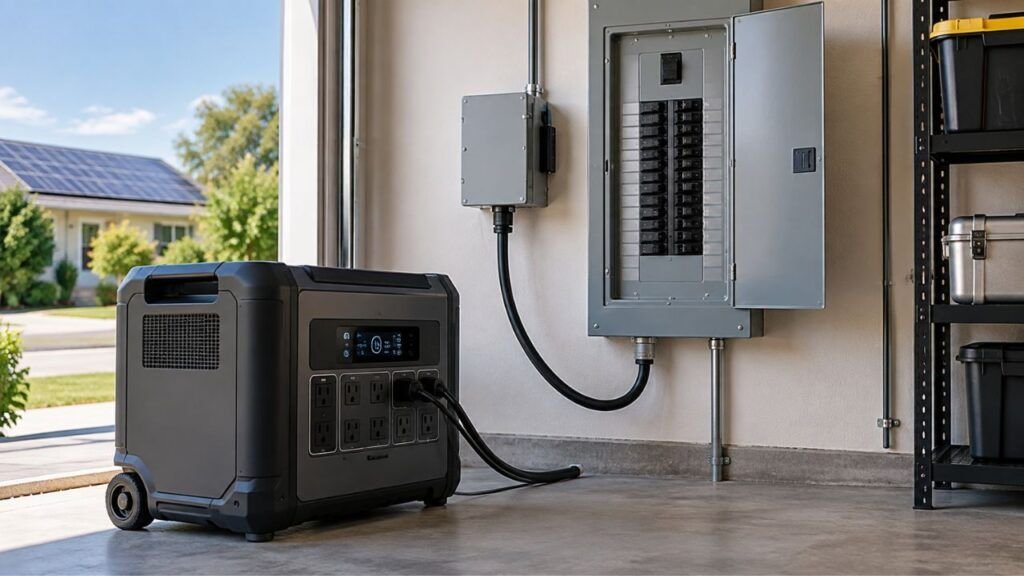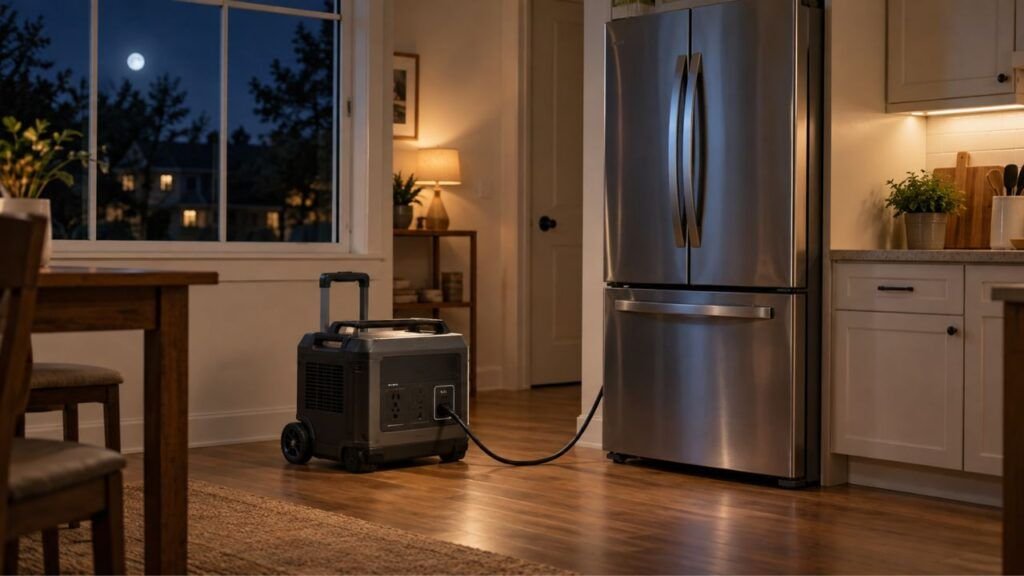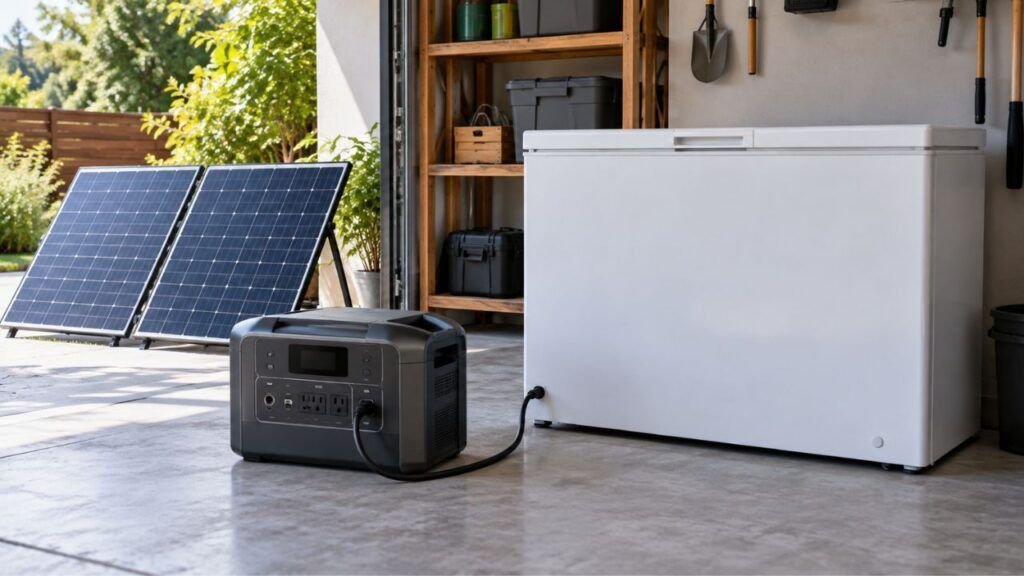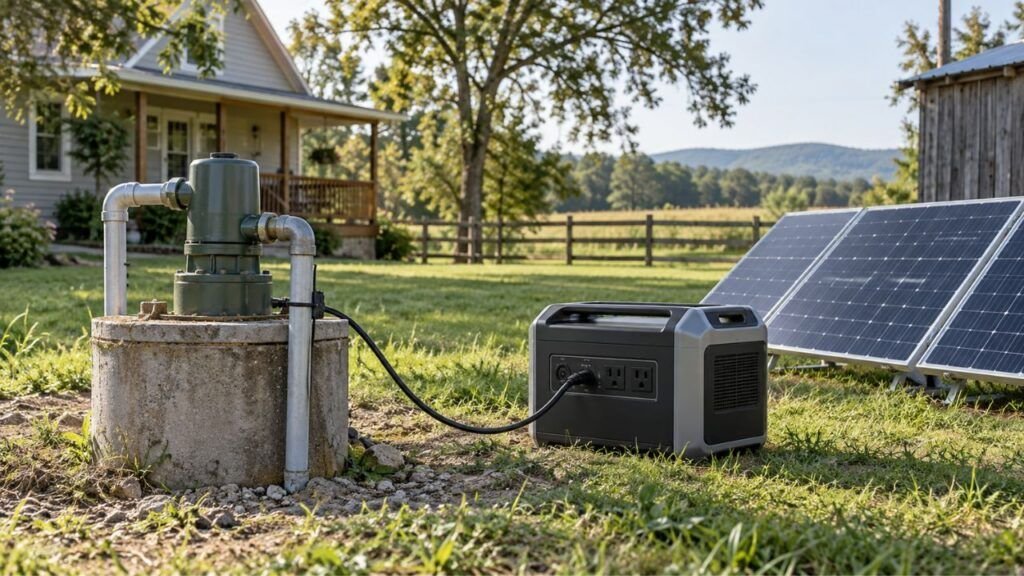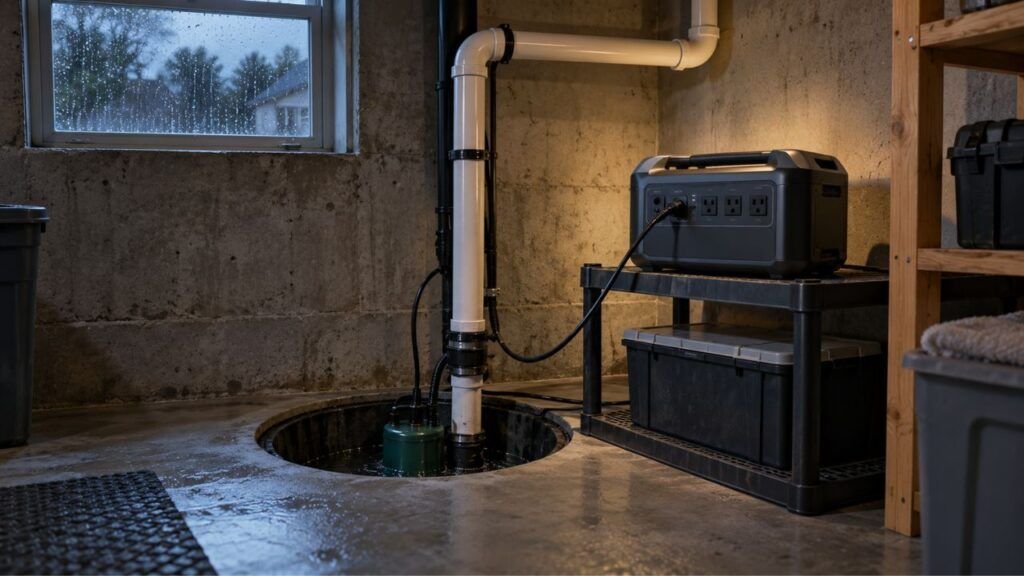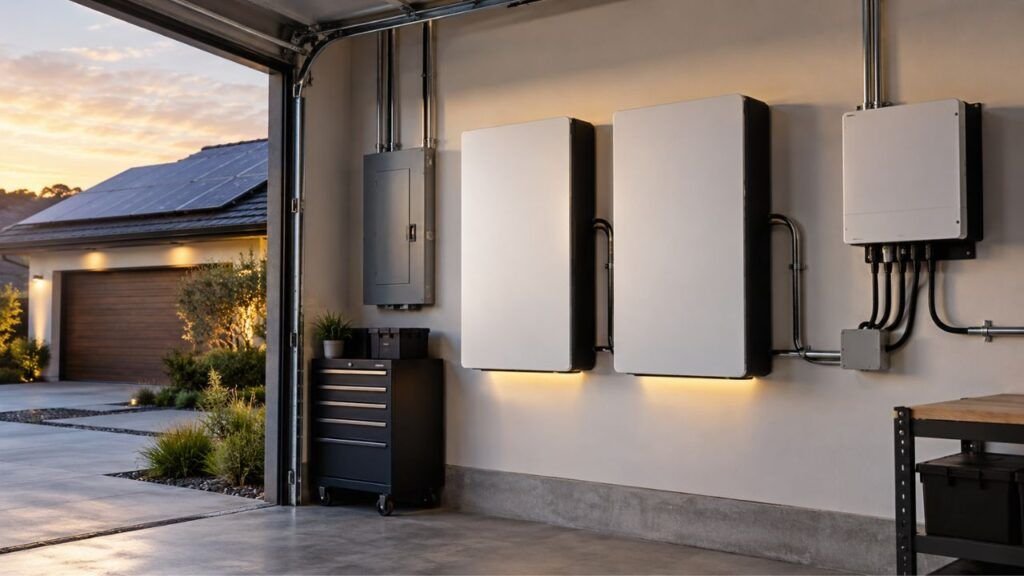
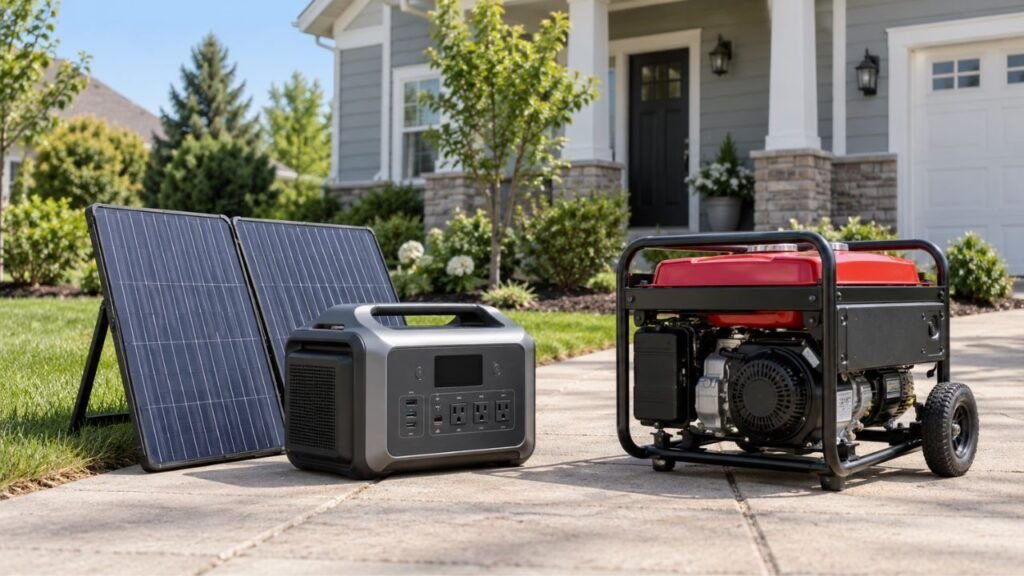
A solar generator is usually better for quiet, low-maintenance backup of essential household devices, while a gas generator is often better for heavier loads and longer outages when fuel is available. Solar generators avoid engine noise and exhaust, but their runtime depends on battery capacity and recharging. Gas generators can keep producing power as long as you can safely supply fuel.
If you are trying to decide which one actually makes sense for your home, I will walk you through power, runtime, cost, safety, maintenance, appliance capability, and long-outage performance. By the end, you should have a much clearer idea of which backup setup fits your needs.
Key Takeaways
- Solar generators are quiet, battery-powered, and require very little routine maintenance.
- Gas generators usually provide more high-output power for the upfront cost.
- Solar generator runtime depends mainly on battery capacity and your electrical load.
- Gas generator runtime depends on fuel supply, load, and engine efficiency.
- Portable gas generators must stay outdoors because they produce carbon monoxide.
- Starting watts matter when powering refrigerators, pumps, air conditioners, and other motor-driven appliances.
- A solar generator and gas generator can also work together during longer outages.
Solar Generator vs Gas Generator for Home Backup: Quick Comparison
Both options can keep your home running during an outage, but they solve the problem differently. A solar generator stores electricity in a battery, while a gas generator creates electricity by running an engine.
| Factor | Solar Generator | Gas Generator |
| Energy source | Stored battery power | Gasoline, propane, or compatible fuel |
| Solar charging | Yes, on compatible systems | No |
| Continuous runtime | Limited by stored energy and recharging | Continues while usable fuel is available |
| High-wattage loads | Depends on inverter and system size | Usually strong for the price |
| Starting surge | Model dependent | Often strong when correctly sized |
| Noise | Very quiet | Noticeable engine noise |
| Exhaust | No combustion exhaust during operation | Produces carbon monoxide and exhaust |
| Indoor use | Possible when manufacturer allows | Never operate a portable gas generator indoors |
| Maintenance | Low | Regular engine maintenance required |
| Fuel storage | Not required for solar operation | Usually required |
| Recharging/refueling | Can take minutes to hours | Refueling takes minutes |
| Bad-weather performance | Solar charging may drop | Does not depend on sunlight |
| Upfront cost | Usually higher for large battery capacity | Usually lower per watt |
| Operating cost | Low with solar charging | Ongoing fuel costs |
| Best use | Quiet essential-load backup | High-load and extended backup |
One important distinction is worth making before we continue. In this article, I am mainly comparing a portable or expandable solar generator with a portable gas generator. A permanently installed standby generator connected to natural gas or propane is a different type of home backup system.
What Is a Solar Generator?
A solar generator is basically a rechargeable battery system with an inverter, charge controller, outlets, and other electronics built into one unit. It stores electricity and sends that stored power to your appliances when you need it.
The term can be slightly confusing because the generator itself does not create electricity directly from sunlight. The solar panels collect energy and recharge the battery, while the battery powers your devices.
You are not limited to solar charging either. Most modern solar generators can also recharge from a household wall outlet. Some support vehicle charging, alternator charging, or even charging from a compatible fuel generator.
That flexibility is useful during emergencies. You can charge the battery before a storm, use it immediately when the grid fails, and then replenish it later when conditions allow.
What Is a Gas Generator?
A gas generator uses an internal-combustion engine to turn fuel into electrical power. Gasoline is common, although some portable generators also run on propane or multiple fuel types.
Unlike a battery system, a gas generator does not need to store electricity ahead of time. If you have usable fuel available, you can start the engine and begin generating electricity.
That makes gas generators especially useful when you need significant power for a long period.
However, they also come with responsibilities. You have to manage fuel, engine maintenance, exhaust, noise, storage, and safe outdoor placement.
A portable gas generator should also not be confused with a permanently installed standby generator. Standby systems are usually connected directly to a home’s electrical system and may start automatically during an outage.
Solar Generator vs Gas Generator: Which Provides More Power?
Power capacity is one of the biggest differences between these systems, but comparing only the watt number on the box can lead you in the wrong direction. You also need to think about continuous power, startup surge, voltage, and how long the system can maintain that output.
Continuous Watts vs Starting Watts
Continuous watts tell you how much power a generator can provide steadily.
Starting watts are different. Some appliances briefly require much more electricity when their motors or compressors first start.
A refrigerator may use a moderate amount of electricity while running but briefly draw considerably more when the compressor turns on.
The same issue can appear with:
- Refrigerators
- Freezers
- Sump pumps
- Well pumps
- Window air conditioners
- Furnace blowers
- Power tools
- Other motor-driven appliances
That is why I would never recommend sizing a generator using running watts alone.
You need enough continuous output for everything running at the same time, plus enough surge capacity to handle appliances starting.
Which Handles High-Wattage Appliances Better?
Gas generators usually make high wattage more affordable.
If your main goal is running pumps, larger tools, heating equipment, multiple appliances, or other demanding loads, a properly sized gas generator can provide a lot of output without the cost of a very large battery bank.
That does not mean solar generators are weak.
Larger modern battery systems can deliver several thousand watts and may power surprisingly demanding household equipment. Some expandable systems are designed specifically for partial-home or whole-home backup.
The difference is usually cost and stored energy.
You can build a powerful battery system, but every extra kilowatt-hour of storage increases the price and physical size of the setup.
Can Either One Provide Whole-Home Backup?
Potentially, yes, but this depends heavily on the equipment.
You first need to decide whether you are simply plugging appliances directly into the generator or trying to power circuits inside your electrical panel.
Those are very different setups.
You also need to check voltage.
Many portable devices use standard 120V power, while larger home equipment may require 240V. Central air conditioners, electric dryers, well pumps, ranges, and other large appliances may fall into this category.
A generator can have plenty of wattage and still be unsuitable if it does not provide the voltage your equipment requires.
For a whole-home or panel-connected setup, proper transfer equipment and professional installation may also be necessary.
Which Generator Runs Longer During a Power Outage?
There is no useful answer like “a solar generator lasts eight hours” or “a gas generator lasts twelve hours” without knowing what you are powering. Runtime changes dramatically with load.
How Long Does a Solar Generator Run?
Solar generator runtime depends mainly on three things:
- Battery capacity
- Appliance load
- System losses
A simple starting estimate is:
Usable battery capacity ÷ average load = approximate runtime
Suppose you have roughly 2,000Wh of usable battery energy and your average load is 200W.
In perfect math:
2,000Wh ÷ 200W = about 10 hours
Real-world runtime will usually be somewhat lower because the inverter and electronics consume some energy.
Your appliances may also cycle on and off.
For example, a refrigerator does not normally pull its full running wattage continuously. Its compressor starts, runs for a while, then turns off.
That is why measuring or estimating daily watt-hour consumption gives you a better answer than looking only at appliance wattage.
How Long Does a Gas Generator Run?
Gas generator runtime depends on:
- Fuel tank size
- Generator size
- Electrical load
- Engine efficiency
- Operating conditions
Manufacturers often provide runtime estimates at a specific percentage of load.
Pay close attention to that number.
A generator advertised to run for many hours at 25% load may run for far less time when you are asking it to deliver near its maximum continuous output.
The advantage is that refueling is relatively quick.
Once the generator cools and you follow proper refueling procedures, you can add more fuel and continue operating.
What Happens During a Multi-Day Outage?
This is where the comparison becomes more interesting.
A solar generator can potentially recharge every day if you have enough solar panel capacity and enough sunlight.
But cloudy weather, snow, shade, shorter winter days, or limited panel space can reduce charging considerably.
A gas generator does not care whether the sun is shining.
However, it does depend on having fuel.
During hurricanes, ice storms, widespread utility failures, or evacuation events, gasoline stations may lose power, run short on fuel, or experience long lines.
So neither system provides truly unlimited energy.
With solar, your limitation is usually stored energy and incoming solar production.
With gas, your limitation is fuel availability and how quickly the generator burns it.
Solar vs Gas Generator Safety for Home Backup
Safety deserves more attention than it gets in many generator comparisons. The wrong generator used the wrong way can create much bigger problems than simply losing power.
Carbon Monoxide Risk With Gas Generators
A portable gas generator produces carbon monoxide whenever its engine runs.
Carbon monoxide is colorless and odorless, which makes it especially dangerous.
Never operate a portable gas generator:
- Inside your house
- Inside a basement
- Inside a shed
- Inside an attached garage
- Inside a detached garage
- Near open windows or doors
- Near vents that could pull exhaust indoors
A portable fuel generator should be operated outdoors at least 20 feet away from the home, with the exhaust directed away from windows, doors, vents, and other openings.
Opening a garage door does not make running a generator inside the garage safe.
I would also make sure the home has working carbon monoxide alarms before relying on a fuel generator during emergencies.
Never Backfeed Your Home Through a Wall Outlet
Another dangerous mistake is connecting a generator to a household outlet using an improvised cord to send electricity backward into the home’s wiring.
Do not do this.
Backfeeding can place dangerous voltage on electrical lines and create a serious electrocution risk for utility workers, neighbors, and anyone working on the electrical system.
If you want a generator to supply circuits through your electrical panel, use properly rated transfer equipment and have the system installed according to applicable electrical requirements.
For many homeowners, having a licensed electrician handle this connection is the safest approach.
Are Solar Generators Completely Risk-Free Indoors?
Solar generators eliminate one of the biggest hazards associated with fuel generators because they do not produce carbon monoxide from combustion.
That makes them much easier to use around living spaces.
However, I would not describe every solar generator as completely risk-free.
It is still a high-energy battery device.
You should follow the manufacturer’s instructions regarding:
- Indoor or outdoor use
- Operating temperature
- Storage temperature
- Ventilation around cooling openings
- Water exposure
- Charging
- Damaged batteries
- Extension cords
- Maximum appliance loads
Do not block cooling vents or place the unit where water could reach it.
If a battery is swollen, damaged, unusually hot, leaking, or behaving abnormally, stop using it and follow the manufacturer’s safety instructions.
In short, battery systems eliminate combustion exhaust, but they still need to be used properly.
Which Is Cheaper: Solar or Gas Generator?
There are two different cost questions here. One is what you pay today, and the other is what you spend over several years of ownership.
Upfront Cost
Gas generators usually provide more wattage for a lower initial price.
That is one reason they remain popular for emergency home backup.
A solar generator includes expensive battery cells, an inverter, charging electronics, and often additional features such as app monitoring or expandable battery support.
If you need many kilowatt-hours of storage, the upfront cost can increase quickly.
Fuel and Recharging Costs
Gas generators keep costing money each time you operate them.
Fuel use varies with generator size and load, but frequent or extended operation can add up.
A solar generator can be recharged from solar panels without buying gasoline every time the battery gets low.
That does not mean solar energy is truly free.
You paid for the panels and battery system upfront.
If you recharge from the electrical grid, you also pay for that electricity.
The better way to think about it is that solar has low ongoing fuel cost, not zero lifetime cost.
Maintenance Costs
A gas generator has an engine, so it needs engine maintenance.
Depending on the model, that can involve:
- Oil changes
- Air filter service
- Spark plug replacement
- Fuel management
- Fuel stabilizer
- Battery maintenance on electric-start models
- Periodic test runs
- Repairs as the engine ages
A solar generator requires much less routine mechanical maintenance because there is no combustion engine.
You still need to keep the battery stored properly, protect the system from temperature extremes, inspect cables and panels, and follow the manufacturer’s charging recommendations.
Battery capacity will also gradually decline over years of use.
Which Costs Less Over Several Years?
It depends on how often you use the system.
If outages are frequent and you regularly operate backup power, solar’s lower operating and maintenance costs can become attractive over time.
If you experience a short outage once every few years and mainly want affordable high-wattage emergency capacity, a gas generator may still make more financial sense.
This is why I would not choose based on purchase price alone.
Think about your expected outage frequency, energy needs, fuel prices, maintenance habits, and how many years you expect to keep the system.
Noise, Maintenance, Storage, and Everyday Convenience
Specifications matter, but day-to-day ownership can matter just as much. Here are a few practical differences you may notice once the generator is actually sitting at your home.
- Noise: Solar generators are nearly silent except for cooling fans. Gas generators produce continuous engine noise that can become tiring during long outages.
- Startup: A battery power station usually starts with a button. A gas generator may require fuel checks, choke settings, engine starting, and outdoor setup.
- Maintenance: Solar systems require little routine mechanical service. Gas generators need periodic engine maintenance even if they are used only occasionally.
- Storage: Battery systems avoid gasoline storage. Gasoline must be stored safely and may need stabilizing or rotation because it can degrade.
- Emergency readiness: A solar generator should be kept adequately charged. A gas generator needs both a functioning engine and usable fuel.
- Moving the system: Large battery systems can become very heavy, especially with expansion batteries. Gas generators can also be heavy, and you must move fuel separately.
How to Size a Solar or Gas Generator for Your Home
Correct sizing is more important than choosing solar or gas. A perfectly good generator can feel useless if it is too small for the appliances you actually need during an outage.
Step 1: Decide What Must Stay Powered
Start with essentials rather than trying to run the entire home normally.
Your list might include:
- Refrigerator
- Freezer
- Wi-Fi router
- Phones
- LED lights
- Laptop
- Television
- CPAP or approved medical equipment
- Sump pump
- Well pump
- Furnace blower
- Window AC
Do not automatically include every appliance in your home.
Backup power becomes much easier and cheaper when you prioritize.
Step 2: Add the Running Watts
Find the running wattage of each appliance you expect to use at the same time.
Add those numbers together.
That gives you a rough idea of the continuous output the generator needs.
I would still leave some headroom rather than operating the generator at its absolute maximum continuously.
Step 3: Check Starting Watts
Now identify appliances with motors or compressors.
Look at their startup or surge requirements.
Your generator needs enough short-term output to handle those spikes without shutting down or becoming overloaded.
This is especially important for pumps, refrigerators, freezers, and air conditioners.
Step 4: Calculate Daily Energy Use
This step matters most when sizing a solar generator.
Use:
Watts × hours of use = watt-hours
If a 100W device runs for five hours:
100W × 5 hours = 500Wh
Do this for your important appliances and estimate your total daily energy requirement.
If you expect to use 4,000Wh per day, a small 1,000Wh battery is not going to carry your home through the day without substantial recharging.
Step 5: Decide How Long You Need Backup
Ask yourself what kind of outage you are preparing for.
Is it usually:
- Two to four hours?
- Overnight?
- One full day?
- Several days?
A modest solar generator may handle essential electronics during short outages very well.
A multi-day emergency may require expansion batteries, substantial solar charging, a larger gas generator, or a combination of systems.
Your expected outage length should influence the purchase just as much as appliance wattage.
Step 6: Check Voltage and Home-Connection Requirements
Finally, look at what voltage your appliances need.
Standard household devices commonly operate on 120V.
Larger appliances may require 240V.
If your backup plan includes central air conditioning, an electric water heater, electric range, dryer, large well pump, or other high-demand equipment, confirm both voltage and wattage requirements.
Also decide whether you will:
- Plug appliances directly into the generator
- Power selected circuits
- Connect to a critical-load panel
- Integrate backup power with the main electrical panel
Panel integration usually requires appropriate transfer equipment and professional electrical work.
Which Is Better for Different Home Backup Situations?
There is no single winner for every household. The easier way to choose is to match the system to the type of outage and the appliances you actually expect to run.
Short Outages and Everyday Essentials
Solar usually makes more sense.
If you mainly need a refrigerator, router, lights, phones, laptop, television, and a few other essentials, a correctly sized solar generator is extremely convenient.
There is no engine to start outside.
You can simply turn on the battery system and plug in your devices.
For outages lasting a few hours, you may not even need to deploy solar panels.
Overnight Power
Solar usually has the comfort advantage.
You probably do not want a combustion engine running through the night unless you genuinely need it.
A battery system can quietly keep a refrigerator, fans, internet equipment, lights, CPAP machine, or other essential devices running while you sleep.
Just make sure the battery has enough usable capacity before the outage reaches nighttime.
Multi-Day Storm Outages
This one depends on your energy supply.
A gas generator can be excellent during multi-day outages when you have enough fuel.
A solar generator can also work well when you have adequate battery capacity, enough panel wattage, and good daytime charging conditions.
The challenge is that neither fuel nor sunlight is guaranteed.
For serious emergency preparation, I would plan around the weakest conditions you realistically expect rather than the best-case scenario.
Homes With Well Pumps, Sump Pumps, or Large Motor Loads
These loads can be demanding because motors often need substantial startup power.
A larger gas generator may provide the required surge at a relatively reasonable cost.
However, high-output battery systems can also handle pumps when their continuous wattage, surge capability, and voltage are correctly matched.
Check the actual pump specifications before buying either type.
Homes That Need Central Air Conditioning
Central AC is one of the harder home loads to back up.
You need to consider:
- Running wattage
- Startup surge
- 240V support
- Compressor type
- System size
- Battery capacity
- Expected runtime
Some high-capacity battery systems can run central air conditioning.
Some cannot.
A properly sized gas generator may also run it, but again, wattage and voltage must match.
Do not buy a generator based only on a statement that it can “run an air conditioner.”
Look at the numbers for your actual HVAC system.
Apartments and Condos
Battery backup is usually the more realistic option.
Most apartment and condo residents do not have a safe outdoor location that satisfies portable gas generator placement requirements.
There may also be building rules, noise restrictions, fuel-storage restrictions, or no practical way to route generator power inside safely.
A solar generator can provide useful backup for refrigerators, electronics, lighting, internet equipment, and small appliances without combustion exhaust.
You may not even need solar panels if you simply charge the unit from the grid before expected outages.
Can You Use a Solar Generator and Gas Generator Together?
Yes, and for some homes, this is actually one of the most practical backup strategies.
You can use the solar generator for quiet continuous loads such as the refrigerator, internet equipment, lights, electronics, and overnight power.
Then you can run the gas generator selectively when you need additional output or when the battery gets low.
If your solar generator supports the charging method, the gas generator may also recharge the battery.
That allows you to run the engine for a shorter period rather than listening to it continuously.
During the rest of the day or night, you can shut the engine down and let the battery handle smaller loads.
Solar panels can provide additional charging when weather permits.
This type of setup can reduce fuel consumption, noise, engine hours, and your dependence on perfect sunshine.
Just make sure every charging method is supported by the equipment manufacturer.
Common Mistakes When Choosing Home Backup Power
A few avoidable mistakes can turn a good generator into an expensive disappointment.
- Buying based only on peak watts: Continuous watts are usually more important for normal operation.
- Ignoring startup surge: Pumps, refrigerators, and air conditioners may draw much more power when starting.
- Confusing watts with watt-hours: Watts measure power. Watt-hours measure stored or consumed energy.
- Assuming solar panels always produce rated output: Clouds, shade, heat, panel angle, and season can reduce production.
- Assuming gasoline will always be available: Large regional outages can affect gas stations and fuel deliveries.
- Ignoring 240V requirements: Enough wattage does not automatically mean the generator can power a 240V appliance.
- Forgetting nighttime use: Solar panels recharge during daylight, but your battery still needs enough stored energy for overnight loads.
- Buying too little battery capacity: A powerful inverter is not very useful if the battery empties quickly.
- Running a gas generator too close to the home: Carbon monoxide can enter through doors, windows, vents, and other openings.
- Backfeeding through a wall outlet: This is dangerous and should never be used as a substitute for proper transfer equipment.
- Assuming every battery generator can be placed anywhere: Follow its temperature, ventilation, charging, and location requirements.
Solar Generator vs Gas Generator: Which Should You Choose?
At this point, the decision becomes much easier if you focus on how you actually expect to use backup power rather than trying to declare one technology better in every situation.
Choose a Solar Generator If You:
- Mainly need refrigerators, lights, Wi-Fi, electronics, and household essentials.
- Want very quiet backup power.
- Prefer minimal routine maintenance.
- Do not want to store gasoline.
- Expect frequent short outages.
- Want the option to recharge from solar panels.
- Live somewhere where operating a fuel generator safely is difficult.
- Want convenient overnight backup.
Choose a Gas Generator If You:
- Need substantial wattage without buying a large battery bank.
- Have several high-demand appliances.
- Need strong motor-starting capability.
- Experience prolonged outages.
- Have a safe outdoor location for operation.
- Can maintain a reliable fuel supply.
- Are comfortable performing engine maintenance.
- Prioritize lower upfront cost over quiet operation.
Consider Both If You:
- Want quiet battery power overnight.
- Need additional resilience during multi-day outages.
- Experience inconsistent solar conditions.
- Want to reduce how long the gas generator operates.
- Need occasional high-wattage output.
- Want more than one way to restore battery energy.
- Prefer not to depend entirely on fuel or sunlight.
Final Verdict
For most homeowners who mainly want to keep refrigeration, lights, Wi-Fi, phones, electronics, and a few essentials running during short outages, a solar generator is usually the more convenient option. It is quiet, easy to start, low-maintenance, and does not produce combustion exhaust.
A gas generator becomes more attractive when you need higher output, large motor loads, or extended runtime during multi-day outages and you can safely operate it outdoors with enough fuel available.
If you are preparing for serious long-duration outages, I would not automatically view this as an either-or decision. A properly sized battery system for everyday and overnight loads, combined with a fuel generator for heavy loads or emergency recharging, can provide excellent flexibility.
The best home backup system is not the one with the biggest watt number. It is the one that can safely power your important appliances for the amount of time you realistically expect to be without the grid.
Related FAQs
Is a Solar Generator Better Than a Gas Generator for Home Backup?
A solar generator is often better for quiet, low-maintenance backup of essential devices, while a gas generator usually makes more sense when you need higher output or extended runtime and have reliable fuel available.
Can a Solar Generator Run a Refrigerator Overnight?
Yes, a properly sized solar generator can run a refrigerator overnight, but runtime depends on the refrigerator’s actual energy consumption, compressor cycling, battery capacity, and inverter losses.
Can a Solar Generator Run a Whole House?
Large expandable solar generators can power many household circuits and, in some cases, support whole-home backup, but you must match battery capacity, inverter output, surge rating, 120V or 240V requirements, and electrical-panel integration to your home.
Can a Solar Generator Run Central Air Conditioning?
Some high-output solar generators can run central air conditioning, but you need enough continuous wattage, startup surge capacity, battery storage, and the correct voltage for your specific HVAC system.
How Big of a Solar Generator Do I Need for Home Backup?
Add the running watts and startup requirements of the appliances you will use together, then calculate their daily watt-hour consumption so you can choose both enough inverter output and enough battery capacity.
Can You Run a Gas Generator in a Garage With the Door Open?
No. A portable gas generator should never run inside a garage, even with the door open, because deadly carbon monoxide can accumulate or move into the home.
Do You Need a Transfer Switch for a Home Backup Generator?
If you want a generator to supply power through your home’s electrical wiring, you generally need properly rated transfer equipment, while appliances plugged directly into generator outlets do not use the home’s panel in the same way.
Can a Gas Generator Recharge a Solar Generator?
Yes, many solar generators can recharge from the AC output of a compatible gas generator, but you should confirm the charging requirements and supported input specifications for your particular power station.
Is a Solar Generator Cheaper to Run Than a Gas Generator?
Solar generators generally have lower ongoing operating costs because they do not require gasoline during normal solar charging, although the battery and panels usually cost more upfront than a comparable portable gas generator.
What Is the Biggest Disadvantage of a Solar Generator?
The biggest limitation is finite battery storage, because once the battery is depleted, you must recharge it from solar panels, the grid, a vehicle, or another compatible charging source before you can continue using the stored power.
What Is the Biggest Disadvantage of a Gas Generator?
The biggest disadvantages are carbon monoxide risk, engine noise, fuel storage, ongoing fuel expenses, and regular maintenance, all of which require more planning than a battery-based backup system.
Which Generator Is Better for a Multi-Day Power Outage?
A gas generator can be easier to keep running when enough fuel is available, while a solar generator can perform well with sufficient battery storage and solar production; for long outages, combining both can provide better resilience.

Austin Parker writes practical generator how-to guides, troubleshooting advice, and buying guides for solar, portable, and fuel-powered generators. His focus is helping readers solve common power problems, understand their options, and choose dependable equipment for real-world use.