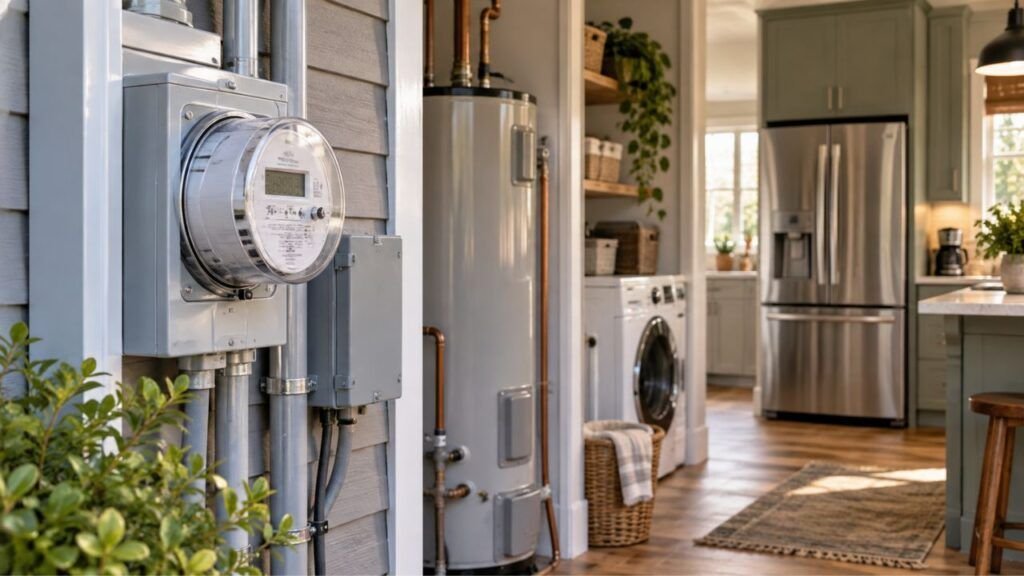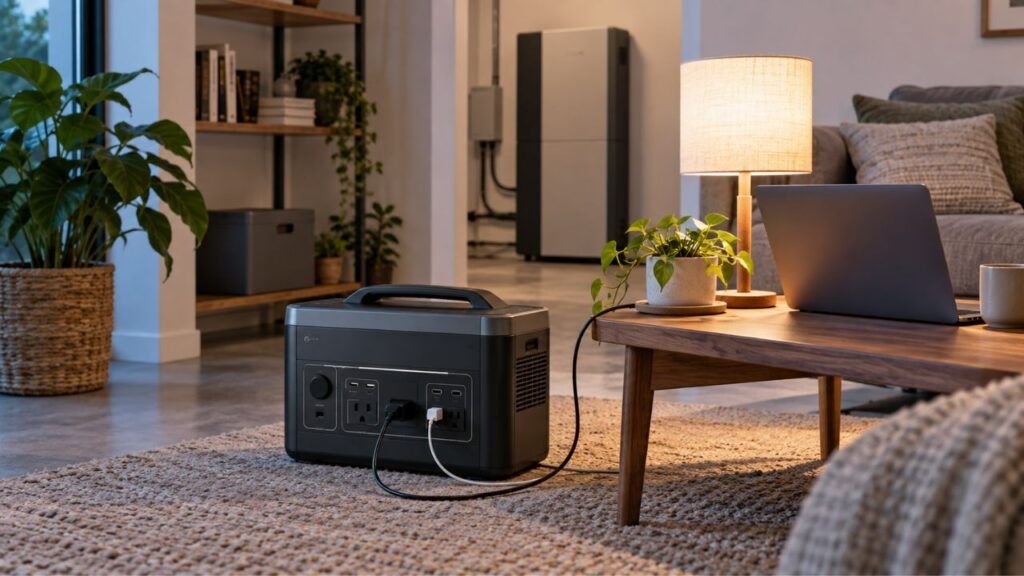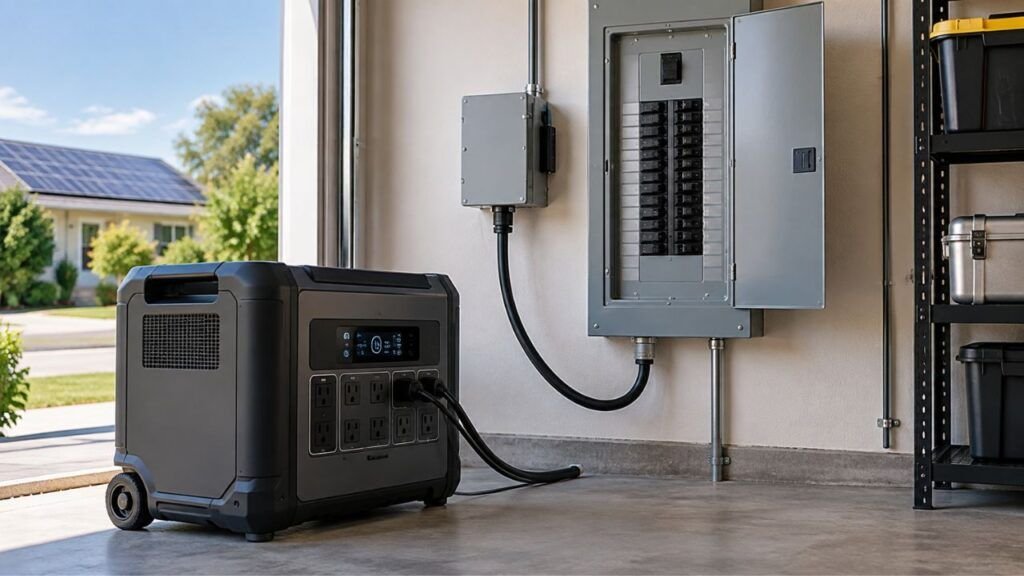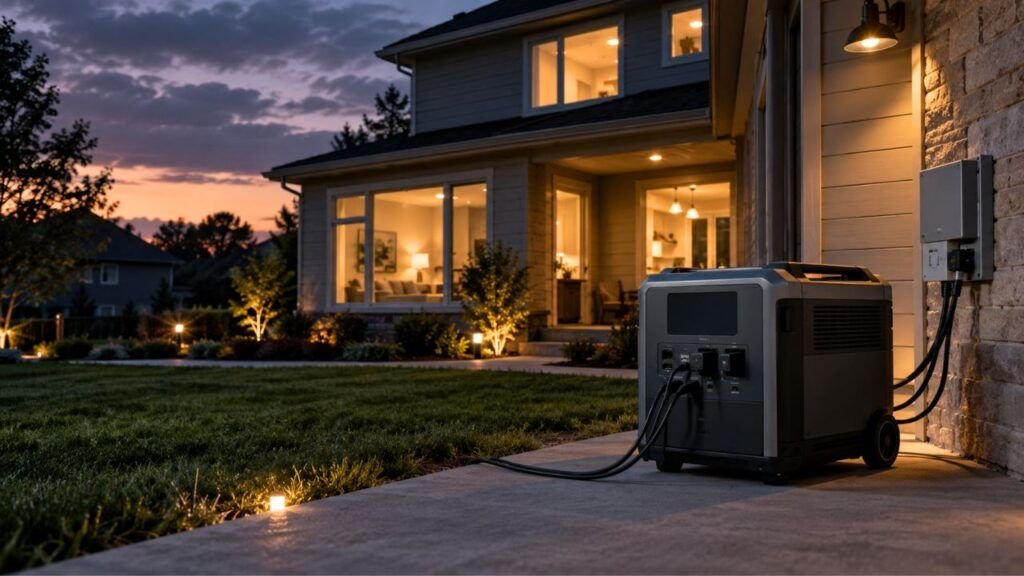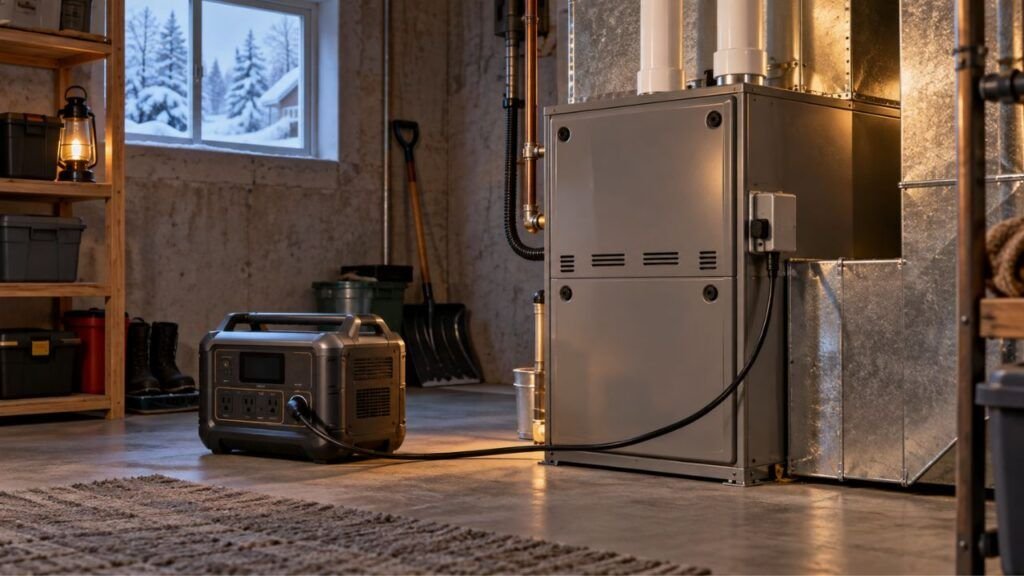
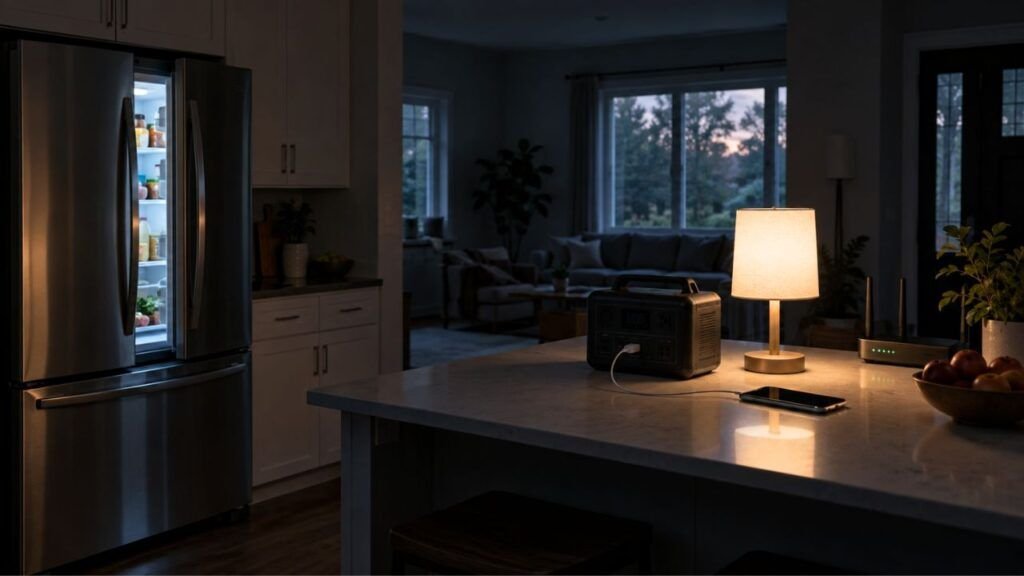
During a power outage, prioritize medically necessary equipment first. Next, protect against immediate risks such as flooding or dangerous temperatures. Refrigerators, freezers, communication devices, water pumps, and essential lighting usually come next. The exact order depends on your household, weather, and backup power capacity.
In this guide, I’ll help you decide what deserves power first. We’ll also look at which appliances can wait and how to stretch limited backup energy.
Key Takeaways
- Medically necessary equipment should receive power before comfort appliances.
- Sump pumps can become critical during storms or flooding.
- Heating or cooling may become essential during extreme temperatures.
- Refrigerators and freezers are important, but timing also matters.
- Phones, routers, radios, and LED lights provide high value.
- Pumps and compressors may need extra power when starting.
- High-draw appliances should usually remain off during longer outages.
- Always save enough energy for essential overnight needs.
Quick Answer: Which Appliances Should Get Backup Power First?
Your priority list should reflect the consequences of losing power. A refrigerator matters, but a medical device or flooding sump pump can matter more.
| Priority | Appliance or Device | Why It Matters | When It Becomes More Important |
| Critical | Medical equipment | Supports health and life safety | Whenever someone depends on powered equipment |
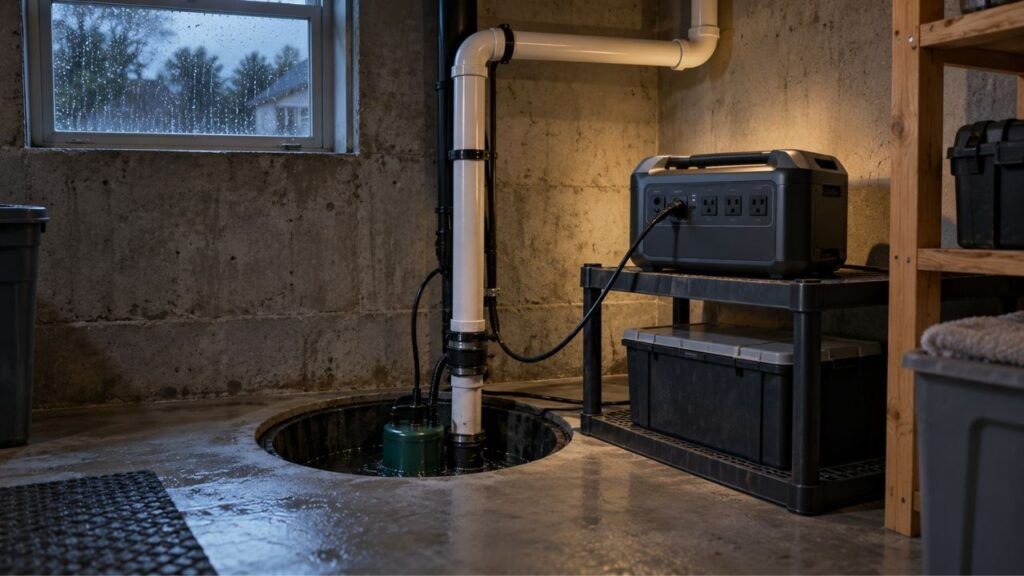
| Critical when needed | Sump pump | Helps prevent flooding and water damage | Heavy rain or rising groundwater |
| Critical when needed | Heating or cooling | Protects against unsafe temperatures | Extreme heat or cold |
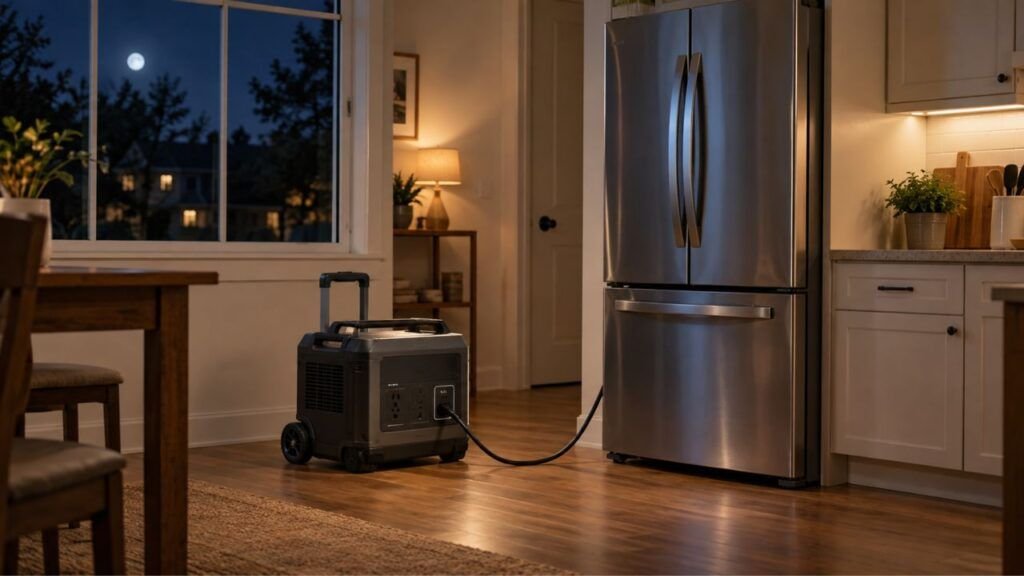
| High | Refrigerator | Protects perishable food | Longer outages |
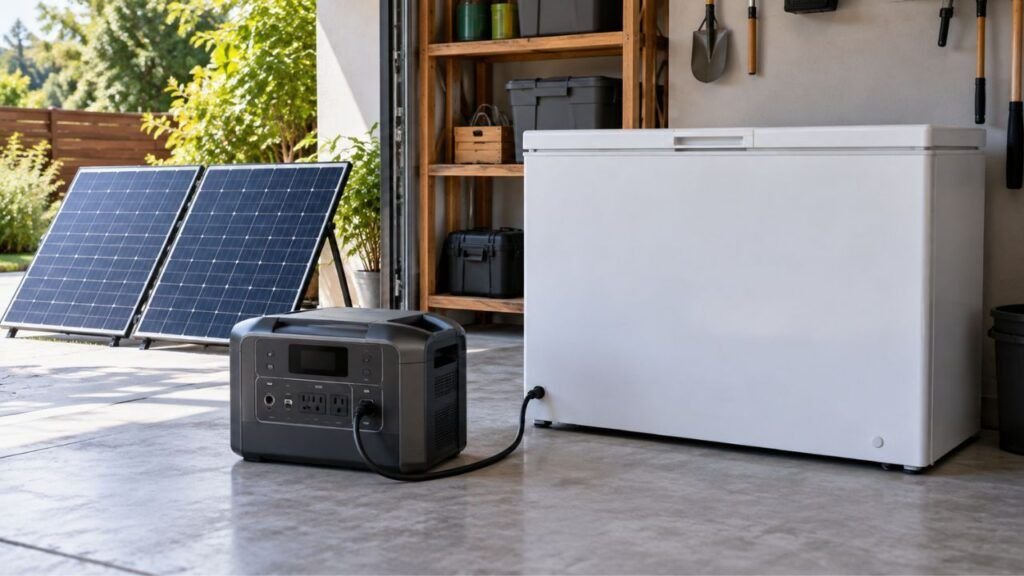
| High | Freezer | Protects stored frozen food | Extended outages |
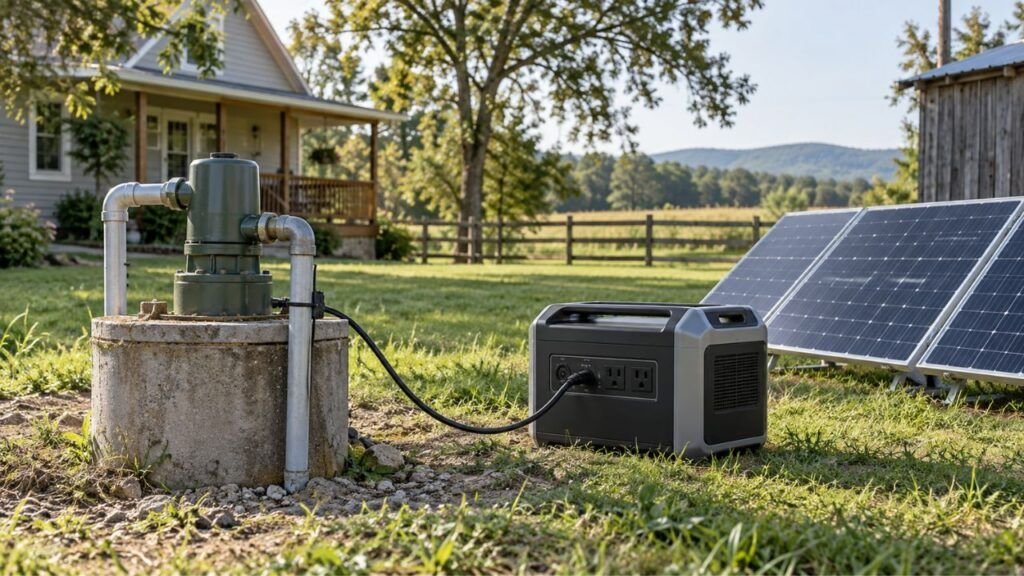
| High when needed | Well pump | Maintains household water supply | Homes using private wells |
| High | Phone and communication equipment | Provides emergency information and contact | Most outages |
| High to medium | Essential lighting | Improves visibility and safety | Nighttime outages |
| Medium | Small cooking appliances | Helps prepare basic meals | When battery capacity allows |
| Low | Television and entertainment | Mainly provides comfort | After essential loads are covered |
| Very low | Dryer, dishwasher, EV charger | Uses substantial power | Usually leave off |
Think of this table as a starting point. Your household may need a different order.
Which Appliances Should You Prioritize During a Power Outage?
The best approach is to prioritize consequences rather than appliance size. Ask what happens if each device stays off for several hours.
1. Electricity-Dependent Medical Equipment
If someone depends on powered medical equipment, start there. Nothing related to convenience should take priority over medical needs.
Examples may include:
- Oxygen concentrators
- Ventilators
- CPAP or BiPAP machines when medically required
- Nebulizers
- Medical monitoring devices
- Powered mobility equipment
- Refrigerated medication when required
Check the actual power requirements before an outage happens. Some equipment operates continuously, while other devices run only occasionally.
You should also confirm whether your backup system produces suitable power. Follow the equipment manufacturer’s instructions for backup power use.
For temperature-sensitive medication, do not assume refrigerator rules always apply. Follow the storage instructions supplied with the medication.
2. Sump Pumps During Heavy Rain
A sump pump can quickly become one of your highest priorities. This is especially true when the outage happens during severe weather.
Without power, groundwater can enter a basement surprisingly quickly. The resulting damage may cost far more than spoiled groceries.
Sump pumps also have an important electrical requirement. Their motors often need extra power for a few seconds when starting.
Your backup system must therefore handle both:
Running watts: Power needed after the pump starts.
Starting watts: Brief surge needed when the motor starts.
A battery or generator that handles running watts may still fail at startup.
If flooding is actively occurring, I would prioritize the sump pump early. Refrigerator power can often wait briefly if its doors stay closed.
3. Heating or Cooling During Dangerous Weather
Heating and cooling usually consume considerable electricity. That does not automatically make them unimportant.
During mild weather, HVAC systems can often remain off. During extreme temperatures, the situation changes completely.
In winter, you may need power for:
- Furnace blowers
- Heat pumps
- Heating controls
- Circulation pumps
- Other equipment protecting your home from freezing
During extreme summer heat, useful loads may include:
- Fans
- Window air conditioners
- Portable air conditioners
- Central cooling when sufficient backup power exists
Start with the lowest-energy option that keeps conditions safe. A fan uses dramatically less energy than most air conditioners.
Electric resistance heaters deserve special caution. They can drain smaller battery systems very quickly.
If your backup system cannot maintain safe indoor temperatures, relocation may be safer. This becomes especially important for children, older adults, and medically vulnerable household members.
4. Refrigerator and Freezer
Refrigerators are important, but they do not always need immediate backup. Knowing how long food stays cold can save valuable battery capacity.
An unopened refrigerator can generally keep food safely cold for about four hours. Keeping the door closed is one of your easiest energy-saving moves.
A full freezer generally stays cold much longer. It can retain safe temperatures for roughly 48 hours when unopened. A half-full freezer may hold temperature for about 24 hours.
Those times are estimates, not guarantees.
Actual performance depends on:
- Room temperature
- Door opening frequency
- Amount of stored food
- Appliance insulation
- Starting food temperature
- Freezer fullness
An appliance thermometer makes decisions much easier. Try to keep refrigerated foods at 40°F or below.
Do not repeatedly open the door to check food. Every opening releases cold air and shortens your available window.
If your outage may last several days, refrigeration becomes increasingly important. At that point, strategic refrigerator operation can preserve both food and battery energy.
Avoid relying on a fixed rule such as running it hourly. Let actual temperatures guide your decisions instead.
5. Well Pump for Homes With Private Wells
A well pump may be more important than many people realize. Without electricity, a private well usually cannot replenish household water pressure.
That can affect:
- Drinking water
- Toilets
- Hand washing
- Food preparation
- Basic cleaning
Well pumps can also be challenging backup loads. Many residential systems use 240 volts rather than standard 120-volt power.
They may also have substantial startup surges.
Before assuming your solar generator can run your pump, check:
- Pump voltage
- Running watts
- Starting watts
- Wiring configuration
- Backup system output voltage
- Inverter surge rating
Some well pumps are hardwired into the home’s electrical system. That means safe connection may require proper transfer equipment.
If water access is critical, plan for this before an outage.
6. Phones, Radios, Modems, and Wi-Fi Routers
Communication equipment usually gives you excellent value per watt. These devices can provide important information while using relatively little energy.
Prioritize items such as:
- Smartphones
- Emergency radios
- Power banks
- Wi-Fi routers
- Modems
- Mobile hotspots
- Laptops when necessary
A charged phone lets you receive alerts and contact others. It also provides flashlights, maps, weather information, and emergency numbers.
Your Wi-Fi router and modem may also use modest power. Keeping them operating can be worthwhile during a longer outage.
However, powered networking equipment does not guarantee internet service. Your local internet provider may also lose power upstream.
For that reason, keep cellular and radio options available too.
7. Essential LED Lighting
You do not need every light in the house. You only need enough lighting for safe movement.
Prioritize areas such as:
- Stairways
- Hallways
- Bathrooms
- Kitchens
- Entryways
- Rooms used by children or older adults
LED bulbs are ideal because they use little electricity. A few carefully chosen bulbs can provide plenty of usable light.
Battery-powered lanterns can stretch your backup supply even further.
During daytime hours, use natural light whenever possible. Save stored energy for nighttime and essential appliances.
8. Security, Access, and Household-Specific Equipment
Some critical loads will not appear on a generic checklist. Your home may include equipment that becomes important during an outage.
Possible examples include:
- Home security systems
- Electronic locks
- Garage door systems
- Electric gates
- Aquarium pumps
- Pet heating or cooling equipment
- Accessibility equipment
- Sewage pumps
- Home monitoring systems
This is why I recommend making your own priority list. Generic recommendations cannot account for every household.
Think about what would create the biggest problem if powerless. Move those devices higher on your list.
Your Priority Order Should Change With the Situation
There is no single appliance order that fits every outage. Weather, outage length, medical needs, and property risks all matter.
During a Short Outage of a Few Hours
For a brief outage, conserve power first.
Prioritize immediate necessities such as:
- Medical equipment
- Communication
- Essential lighting
- Active sump pump needs
- Critical heating or cooling
You may not need to power the refrigerator immediately. Keeping its door closed often buys several hours.
Avoid switching everything onto backup power right away. You may need that stored energy later.
During an Overnight Outage
An overnight outage requires more planning.
You may need to support:
- Overnight medical devices
- Refrigerator operation
- Phone charging
- Essential lights
- Furnace blower
- Fans or cooling
- Water access
Before evening, check your remaining battery percentage or generator fuel.
Think about what must run while you sleep. Reserve enough power for those loads first.
During a Multi-Day Outage
Long outages change everything.
You are no longer managing only instantaneous wattage. You are managing an energy budget across several days.
Priorities usually include:
- Medical needs
- Food preservation
- Water
- Safe indoor temperature
- Communication
- Basic lighting
- Reliable recharging
Start thinking in watt-hours instead of just watts.
A device that uses little power continuously can consume substantial energy. Meanwhile, a high-wattage appliance used briefly may consume relatively little.
Also consider how your backup system will recharge.
That could include:
- Solar panels
- Generator charging
- Grid power when briefly restored
- Vehicle charging where appropriate
- Additional battery modules
Your goal is not keeping everything running. Your goal is making essential energy last.
During Extreme Heat
Cooling becomes more important during dangerous heat.
Start with energy-efficient options first.
Fans generally use far less electricity than air conditioning. They can help you stretch battery capacity considerably.
If air conditioning becomes necessary, cool one important room instead. Trying to cool an entire house may overwhelm smaller systems.
Watch indoor temperatures carefully.
If your home becomes unsafe and power is limited, consider moving somewhere with reliable cooling.
During Freezing Weather
Cold-weather outages can create both health and property risks.
Your furnace may burn natural gas, propane, or oil. However, it often still needs electricity for the blower and controls.
That means a small amount of electrical backup can sometimes restore heating.
Other concerns include:
- Frozen pipes
- Well equipment
- Circulation pumps
- Medical needs
- Refrigerated medications
- Overnight heating
Electric space heaters consume large amounts of power. Using several can exhaust a battery rapidly.
Prioritize the most efficient safe heating strategy available.
During Heavy Rain or Flooding
Flood conditions completely change the priority list.
If water is entering your sump pit, the sump pump may become one of your first loads.
A refrigerator can often tolerate a brief power interruption. An overflowing basement may not.
Also monitor:
- Backup sump batteries
- Drainage pumps
- Sewage pumps
- Well systems
- Basement alarms
Storm-related outages are exactly why priority lists should remain flexible.
What Appliances Should You Avoid Running on Limited Backup Power?
When backup capacity is limited, high-energy comfort appliances should usually wait. Saving that energy may extend essential power by many hours.
Consider leaving these off:
- Electric clothes dryers
- Electric ovens
- Electric ranges
- Electric water heaters
- Dishwashers
- EV chargers
- Pool pumps
- Hot tubs
- Large entertainment systems
- Multiple space heaters
- Unnecessary lighting
There are exceptions.
For example, a microwave may draw over 1,000 watts while running. That sounds high, but you might use it for only three minutes.
Short operation can consume surprisingly little total energy.
That is why watts alone do not tell the full story.
How Do You Decide Whether Your Backup System Can Run an Appliance?
Before connecting an appliance, check four things: running watts, starting watts, voltage, and total energy use.
Check Running Watts
Running watts describe the power an appliance needs while operating.
You can usually find this information on:
- Appliance labels
- Owner manuals
- Manufacturer specifications
- Electrical nameplates
Use the appliance’s actual rating whenever possible.
Generic online wattage charts provide estimates only. Two similar appliances can have different power requirements.
Check Starting or Surge Watts
Motor-driven appliances can briefly require much more power during startup.
Common examples include:
- Refrigerators
- Freezers
- Sump pumps
- Well pumps
- Air conditioners
- Furnace blowers
Your backup inverter needs enough surge capability to start them.
Suppose a pump runs at 800 watts. It might briefly require far more when starting.
A 1,000-watt backup system could therefore fail to start it.
Always check the manufacturer’s actual startup requirements when available.
Check Voltage Requirements
Not every appliance uses the same voltage.
Most standard U.S. outlets provide 120 volts. Larger household equipment may require 240 volts.
Common 240-volt loads can include:
- Well pumps
- Central air conditioners
- Heat pumps
- Electric dryers
- Electric water heaters
- Electric ranges
A backup unit with only 120-volt output cannot directly operate most 240-volt equipment.
Check this before purchasing or connecting a backup system.
Calculate How Much Energy the Appliance Needs
Watts tell you how much power is needed now. Watt-hours tell you how much energy gets consumed over time.
Use this formula:
Energy use (Wh) = Appliance watts × Hours used
For example:
50 watts × 8 hours = 400Wh
So, a 50-watt device running eight hours needs approximately 400Wh.
Real battery use will usually be somewhat higher. Inverter losses and standby consumption reduce usable runtime.
Temperature and battery condition can also affect available capacity.
Power Versus Energy: Why Both Matter During an Outage
Understanding watts and watt-hours makes appliance prioritization much easier.
Watts tell you how much power an appliance needs at a moment.
Watt-hours tell you how much energy it consumes over time.
Consider a microwave drawing 1,200 watts for five minutes.
Its approximate energy consumption is:
1,200W × 0.083 hours = about 100Wh
Now consider a 50-watt device running continuously for eight hours.
Its energy use would be:
50W × 8 hours = 400Wh
The lower-watt device actually consumes four times more energy.
This is why outage planning requires both numbers.
Should You Run Essential Appliances Continuously or Only When Needed?
Some loads need steady power, while others can operate strategically. Separating these groups can dramatically extend backup runtime.
Loads That May Need Continuous Power
Depending on your household, these may include:
- Certain medical devices
- Medically required refrigeration
- Critical heating controls
- Necessary cooling
- Aquarium life-support systems
- Security equipment
- Internet equipment when constant access matters
Follow device-specific instructions whenever uninterrupted power is important.
Do not create your own cycling schedule for medical equipment.
Loads That Can Often Run Strategically
These commonly include:
- Phone chargers
- Laptops
- Microwaves
- Coffee makers
- Selected lighting
- Televisions
- Small kitchen appliances
- Some pump loads
Use these only when needed.
For refrigerators and freezers, temperature monitoring works better than arbitrary schedules.
How to Make Backup Power Last Longer During an Outage
Small changes can significantly increase runtime. Focus on reducing unnecessary energy use before adding more equipment.
- Keep refrigerator and freezer doors closed.
- Turn off unused circuits.
- Use LED lighting.
- Light only occupied rooms.
- Avoid running several large loads together.
- Stagger appliances with motors or compressors.
- Use fans instead of air conditioning when safely possible.
- Charge devices only when needed.
- Monitor remaining battery capacity.
- Reserve energy for overnight essentials.
- Recharge during strong solar conditions when available.
- Avoid unnecessary standby loads.
- Disconnect entertainment equipment until essentials are covered.
- Use appliance thermometers instead of repeatedly opening refrigerators.
The goal is simple. Make every watt-hour serve a useful purpose.
Common Appliance-Prioritization Mistakes
Most outage problems come from poor planning rather than inadequate equipment. Avoid these mistakes when managing limited backup power.
- Treating every outage exactly the same
- Automatically assuming the refrigerator comes first
- Forgetting medical equipment
- Ignoring sump pumps during storms
- Forgetting well-pump requirements
- Looking only at running watts
- Ignoring startup surge
- Forgetting 120V versus 240V requirements
- Starting several motor-driven appliances together
- Running unnecessary comfort loads
- Draining batteries before nighttime
- Assuming advertised battery capacity is fully usable
- Forgetting inverter losses
- Failing to monitor indoor temperatures
- Waiting until the outage to create a plan
A simple written priority list prevents many of these mistakes.
Backup Power Safety Matters More Than Appliance Priority
Keeping appliances running is never worth creating another emergency. Use backup equipment according to its manufacturer instructions and applicable electrical codes.
- Never operate a fuel-powered generator indoors.
- Never use one inside a garage or basement.
- Keep portable generators outside and away from openings.
- Direct exhaust away from doors and windows.
- Keep generators protected from unsafe moisture exposure.
- Never backfeed electricity through a household outlet.
- Use properly rated extension cords.
- Do not exceed inverter or generator capacity.
- Use appropriate transfer equipment for panel connections.
- Keep carbon monoxide alarms working.
- Keep fuel away from ignition sources.
- Let hot generators cool before refueling.
A portable generator can produce dangerous carbon monoxide quickly.
If you smell exhaust indoors, feel dizzy, or suspect exposure, leave the area immediately and seek emergency help.
How to Make Your Own Outage Appliance Priority List
A little preparation makes outages far easier to manage. Build your priority list while the grid is still working normally.
Step 1: Identify Life-Safety Loads
Start with anything related to health or essential accessibility.
Examples include medical equipment and medication refrigeration.
Write these at the very top of your list.
Step 2: Identify Property and Utility-Critical Loads
Next, identify appliances preventing serious household problems.
Examples include:
- Sump pumps
- Well pumps
- Furnace systems
- Sewage pumps
- Critical cooling equipment
These may move up or down depending on conditions.
Step 3: Record Wattage and Voltage
Check every important appliance.
Write down:
- Running watts
- Voltage
- Plug type
- Circuit requirements
Do not assume similar appliances use identical power.
Step 4: Record Starting Surge
Pay special attention to motors and compressors.
A backup system must handle the brief startup load.
Otherwise, the appliance may never successfully start.
Step 5: Estimate Daily Runtime
Estimate how many hours each appliance actually needs.
Then calculate:
Daily Wh = Watts × Hours used
This gives you a realistic energy budget.
Step 6: Compare Your Needs With Backup Capacity
Check both maximum power and total energy.
Maximum power tells you what can run simultaneously.
Battery capacity tells you how long those loads can operate.
You need enough of both.
Step 7: Create a Normal Plan and Extended-Outage Plan
I recommend making two versions.
Plan A: A normal outage lasting several hours.
Plan B: A multi-day outage with limited recharging.
Plan B should remove more comfort loads.
This simple step makes your backup system much more useful.
Final Words
The best outage strategy is not powering as much as possible. It is protecting the most important things for as long as possible.
Start with medical and immediate safety needs. Then consider flooding, temperature, food, water, communications, and lighting.
Most importantly, adjust your priorities to the situation. A sump pump during heavy rain may outrank your refrigerator. A furnace blower during freezing weather may become essential. During mild conditions, neither may need much power.
Once you think in terms of consequences, watts, and watt-hours, backup power becomes much easier to manage.
Related FAQs
What Appliance Should I Power First During an Outage?
Medically necessary equipment should come first when someone depends on it. Otherwise, prioritize immediate safety risks such as flooding, extreme temperatures, refrigeration, water access, and communications.
Should I Run My Refrigerator Immediately During a Power Outage?
Not necessarily. An unopened refrigerator can generally keep food cold for about four hours, so conserving backup energy may make sense during a short outage. Keep the door closed and monitor temperature.
How Long Will Food Stay Cold When the Power Goes Out?
An unopened refrigerator generally stays cold for about four hours. A full unopened freezer can remain cold for roughly 48 hours, while a half-full freezer may last around 24 hours.
Should I Prioritize My Refrigerator or Freezer?
The refrigerator usually needs attention sooner because it warms faster. A full, unopened freezer retains cold much longer, so you may be able to delay powering it.
Should I Run My Wi-Fi Router During an Outage?
Yes, if internet service remains available and you need communications. Routers and modems generally use relatively little electricity compared with major household appliances.
Is a Sump Pump More Important Than a Refrigerator During an Outage?
It can be. During heavy rain or active flooding, a working sump pump may prevent serious property damage, while a closed refrigerator can usually remain cold for several hours.
Should I Run My Furnace During a Power Outage?
You may need to during freezing weather. Even gas or propane furnaces often require electricity for controls and blowers, so check your furnace’s voltage and starting requirements.
Can a Solar Generator Power All My Essential Appliances?
It depends on inverter output, surge capacity, battery capacity, voltage, and appliance runtime. A system may run several small essentials but struggle with pumps, HVAC equipment, or 240-volt loads.
What Appliances Use Too Much Power During an Outage?
Electric dryers, ovens, water heaters, EV chargers, space heaters, and other resistance-heating appliances can consume large amounts of energy and should usually remain off when backup capacity is limited.
Should I Turn Appliances Off When the Power Goes Out?
Yes, turning off unnecessary loads helps conserve backup energy and reduces electrical demand when grid power returns. Keep only the circuits and devices you truly need operating.

Austin Parker writes practical generator how-to guides, troubleshooting advice, and buying guides for solar, portable, and fuel-powered generators. His focus is helping readers solve common power problems, understand their options, and choose dependable equipment for real-world use.